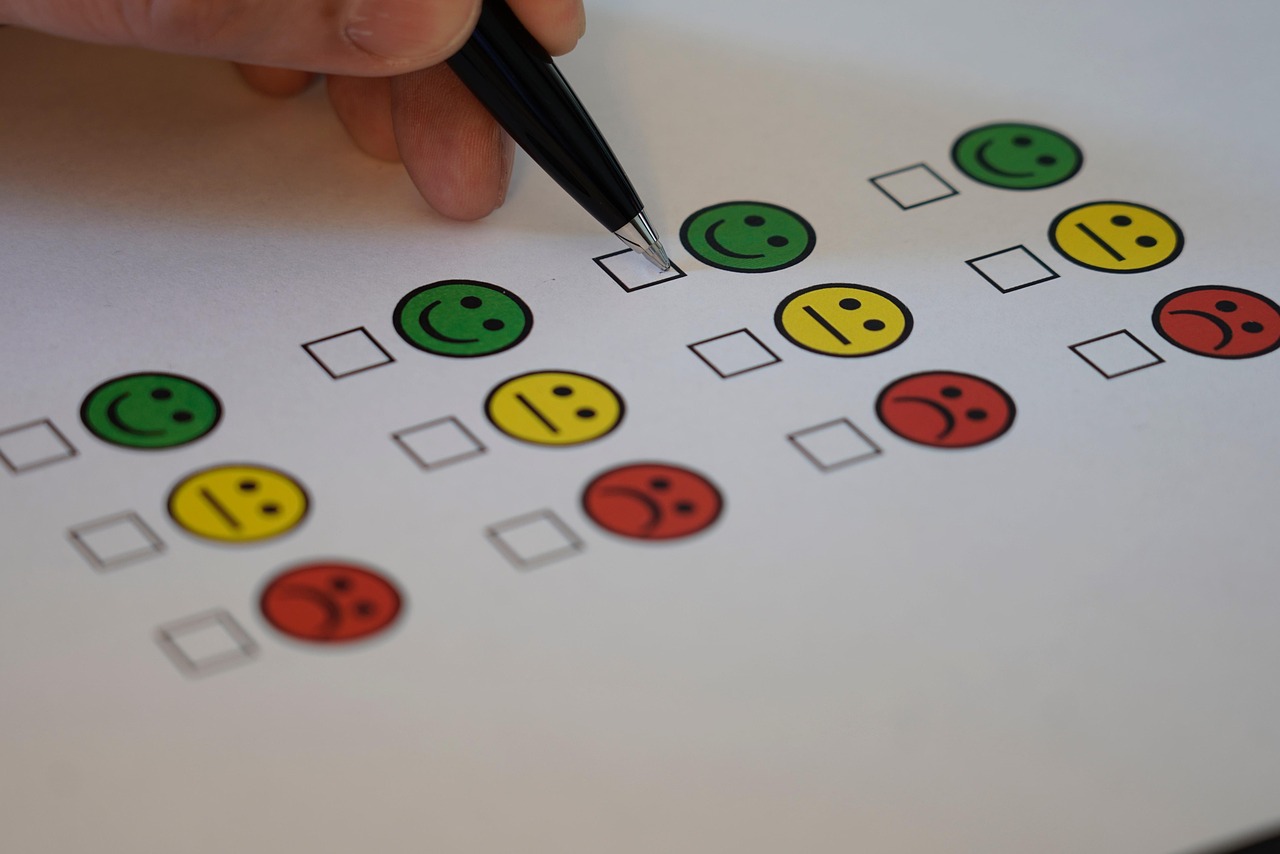

How to Use Surveys to Measure Communication Effectiveness
In today’s fast-paced business landscape, effective communication is crucial. One of the best ways to measure this effectiveness is through surveys tailored to gather insightful feedback. Surveys allow companies to obtain quantifiable data on how well their messages resonate with employees, clients, and other key stakeholders. By leveraging tools such as online survey platforms, organizations can create engaging questionnaires that not only collect data but also foster interaction. A well-designed survey can highlight strengths and pinpoint areas needing improvement. It’s essential to ensure that the questions are clear and targeted to facilitate accurate responses. Communication metrics derived from surveys should focus on various aspects, such as message clarity, timing, and delivery channels. Achieving high response rates is also critical to gaining a comprehensive understanding of the communication landscape. Moreover, consider segmenting the audience to obtain tailored insights. Understanding diverse perspectives can significantly enhance strategic planning in communication initiatives. Thus, utilizing surveys effectively can lead to informed decisions that strengthen overall business communication strategies, providing organizations with a competitive edge.
Surveys can serve multiple purposes, from assessing overall communication effectiveness to drilling down into specific communications. For businesses, choosing the right type of survey is essential for ensuring valid results. Options range from online questionnaires to face-to-face interviews and focus groups. Online surveys tend to offer higher reach and efficiency, while focus group discussions can unveil deep insights and nuanced feedback. Businesses can also employ mixed-method approaches that combine quantitative and qualitative data for richer analysis. Regardless of the method chosen, the key is to keep surveys concise while still targeting pertinent areas. Ensure that questions stem directly from organizational goals and objectives to keep the focus aligned. Engaging stakeholders can also increase participation rates. When designing surveys, the language used should maintain clarity and avoid jargon, particularly if communicating complex ideas. Another crucial factor is anonymity, as respondents may feel more comfortable providing honest feedback in a confidential setting. Emphasizing confidentiality while promoting transparency around how feedback will be utilized increases the likelihood of receiving frank responses. Ultimately, leveraging surveys as a standard practice ensures an organization can remain responsive to the communication needs of its audience.
Designing Effective Survey Questions
The heart of any successful survey lies in its questions. To optimize their effectiveness, utilize clear, concise language that guides respondents toward their intended answers. Crafting multiple-choice questions can streamline responses, but be cautious not to overload them with options, potentially overwhelming participants. Tailor each question to capture distinct aspects of communication effectiveness, such as frequency, clarity, and receptivity of messages. For deeper insights, consider integrating open-ended questions that encourage participants to elaborate on their thoughts or experiences. Balance is key—while numerical data may be easier to analyze, qualitative feedback provides essential context. The order of questions plays a pivotal role in response patterns; start with broad topics before moving to specifics to engage respondents progressively. Also, implement skip logic to enhance the survey experience, allowing participants to bypass irrelevant questions based on their previous answers. It’s vital to pre-test surveys with a smaller audience to identify potential issues before full deployment. A successful feedback collection efforts lay the groundwork for effective communication strategies, enriching overall business objectives and fostering a culture of continuous improvement within the organization.
After conducting surveys, analyzing the gathered data is pivotal. Start by performing quantitative analysis, evaluating response patterns, and identifying trends in the data. Use statistical tools or software to summarize key findings, yielding percentages and averages that illustrate the survey results clearly. Furthermore, comparison with past survey results can unveil progression over time, reinforcing positive changes or highlighting persistent challenges. Consider segmenting results based on different demographics or departments to examine variations in communication effectiveness across various audience segments. This analysis enables businesses to tailor communication strategies effectively, ensuring that they resonate with each group appropriately. Complementing quantitative analysis with qualitative evaluations enriches the findings; qualitative feedback can explain why certain trends emerge and offer direct insights for improvement. Engage stakeholders in the results discussion to gather different perspectives and drive collective action in response to findings. Based on the analysis, develop a communication strategy that addresses identified gaps while capitalizing on strengths. Encouraging feedback loops fosters organizational growth, ensuring that communication methods evolve proactively rather than reactively, creating a more aware and engaged workforce.
Continuous Improvement through Feedback
Implementing a culture of continuous improvement is vital for enhancing communication strategies within organizations. Regularly administering surveys facilitates an ongoing dialogue between stakeholders, ensuring that everyone feels valued and heard. As teams gather data, it’s essential to act on the feedback, demonstrating to participants that their opinions matter. Transparency in sharing results and subsequent actions taken fosters trust and encourages future participation. Create a timeline for regular evaluations, allowing businesses to track the progress of implemented improvements over time. Integrate the lessons learned from surveys into employee training and development initiatives to enhance overall communication skills. Consider establishing focused discussion groups to pursue deeper dialogue surrounding specific issues raised in surveys. This approach not only elucidates complex problems but fosters a sense of shared ownership over the organization’s communication practices. Furthermore, consider technology integrations, such as communication tools and platforms, to augment survey feedback implementation efficiently. For teams, understanding that feedback leads to tangible change cultivates an engaged and motivated workplace, ultimately driving better performance and a coherent organizational culture.
Ultimately, combining surveys with other evaluation methods enhances understanding substantially. Consider integrating focus groups, interviews, and performance assessments alongside survey data to create a robust communication evaluation framework. Such comprehensive insights provide context and depth, revealing not just what is effective but why it is meaningful to various stakeholders. Using diverse methodologies ensures organizations capture different dimensions of communication dynamics, yielding richer insights and a more nuanced understanding of communication styles. Subsequently, this multi-faceted approach allows teams to align and create targeted strategies that resonate with unique audience needs. Furthermore, consistently revisiting and updating evaluation tactics ensures that businesses remain agile and adaptive in their communication approaches. Digital advancements also pave the way for innovative survey methodologies, utilizing AI-driven analytics for actionable insights. Incorporating technology in analyzing and reporting can streamline processes while sharpening focus on strategic improvement areas. As organizations embark on this journey, fostering an evaluative culture that values continuous feedback ensures sustained communication excellence. Thus, employing comprehensive evaluation processes enhances understanding, ultimately leading to improved performance and increased organizational effectiveness.
Conclusion and Next Steps
In conclusion, leveraging surveys to measure communication effectiveness is a powerful strategy for any business seeking to engage with its audience. The insights gained from well-designed surveys are invaluable for identifying strengths and areas needing development. These evaluations provide actionable data to inform communication strategies, enhancing overall operational performance. As businesses commit to regularly surveying their stakeholders, they create a culture of open dialogue that encourages feedback and improvement. Following a cycle of data collection, analysis, and action establishes an evolutionary approach to communication—a notable factor in any competitive environment. Embrace technology and creativity to keep survey methodologies fresh and engaging, fostering higher response rates and deeper insights. As highlighted throughout this article, successful implementation of surveys requires clarity, transparency, and a commitment to continuous improvement. Each survey cycle should be treated as an opportunity for growth and learning, instilling confidence in the organizational communication processes. As a next step, teams should review existing methodologies, conduct trials with new approaches, and refine survey techniques to maximize effectiveness, paving the way for strategic advancements in business communication.