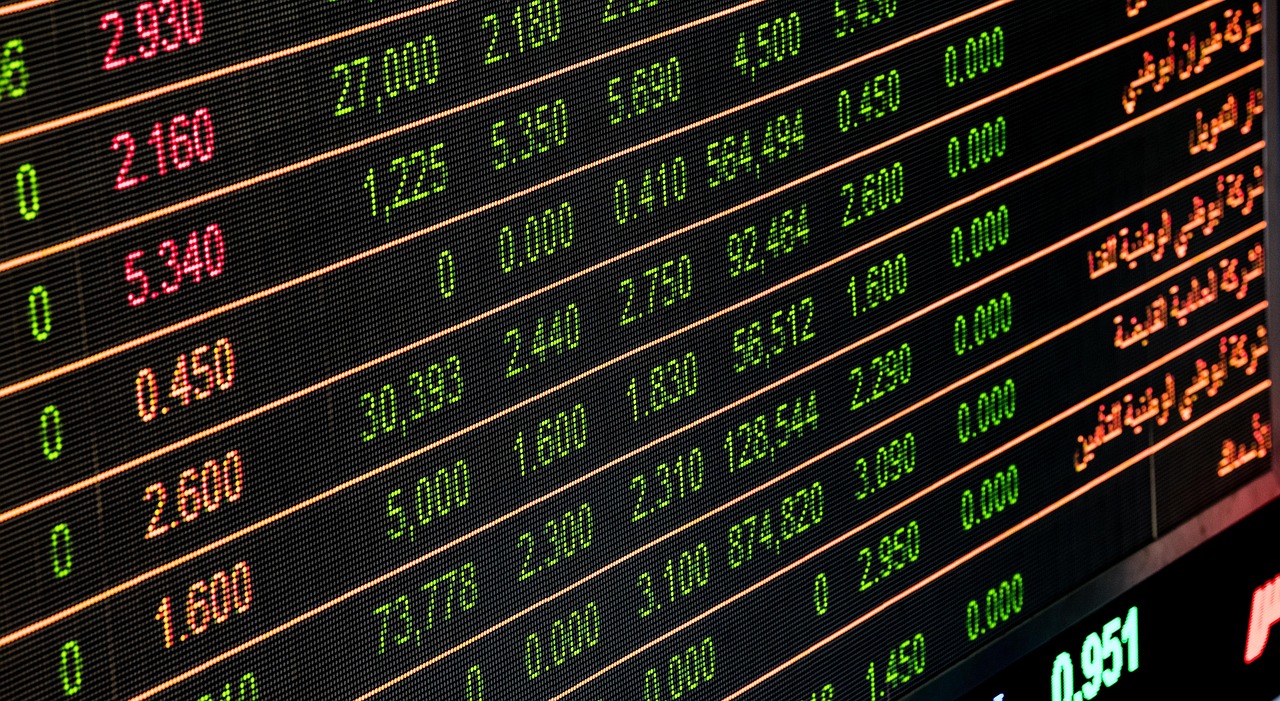

The Fundamentals of Currency Trading in Global Markets
Currency trading, also known as forex trading, is a pivotal component of the global financial landscape. It involves the exchange of one currency for another and operates on a decentralized market that facilitates international trade and investment. Understanding the fundamentals of currency trading is essential for anyone seeking to navigate this dynamic market. Key players include banks, financial institutions, corporations, and individual traders who engage in buying or selling currencies based on changing economic conditions. This market operates 24 hours a day, reflecting the constant fluctuations in currency values all around the globe. Traders employ analysis techniques to forecast price movements influenced by economic indicators, political stability, and market sentiment. Successfully engaging in currency trading requires knowledge of how to read market trends and execute trades at opportune moments. Leverage plays a significant role, as traders can control larger positions with a smaller amount of capital, yet this comes with increased risk. Risk management strategies are vital to protect investments and minimize potential losses. In summary, mastering currency trading fundamentals is essential to thrive in this fast-paced market.
Currency pairs are fundamental in forex trading, serving as the basis for all transactions. A currency pair consists of two currencies, where one is quoted against another. The first currency is known as the base currency, while the second is the quote currency, indicating the amount of the quote currency needed to purchase one unit of the base currency. The most traded pairs include major currencies like the US dollar, euro, and yen, since they exhibit high liquidity and volatility. Traders can choose between three primary classifications of currency pairs: major, minor, and exotic pairs. Major pairs feature the most traded currencies, while minor pairs consist of less commonly traded currencies against each other. Exotic pairs combine a major currency and a currency from an emerging economy. Understanding how to read and analyze these pairs is critical for making informed trading decisions. Each pair’s behavior can be influenced by various factors, including economic data, interest rates, and geopolitical events. Analyzing these influences allows traders to assess potential risks and rewards associated with their trading strategies.
Technical and Fundamental Analysis in Forex Trading
In the realm of currency trading, traders rely on two primary analysis methods: technical and fundamental analysis. Technical analysis involves studying historical price movements and using charts to identify patterns and trends. Traders use various indicators and tools, such as moving averages, MACD, and RSI, to make predictions about future market behavior. This approach is based on the belief that past price movements can help forecast future prices. On the other hand, fundamental analysis focuses on economic indicators and events that impact currency values. Key indicators include GDP growth rates, unemployment data, inflation rates, and central bank policy decisions. By tracking these factors, traders gain insights into the economic health of countries and can better predict how their currencies might perform. Moreover, combining both analysis types often leads to a more comprehensive trading strategy. A robust understanding of technical charts paired with an awareness of macroeconomic factors can significantly enhance a trader’s decision-making process. In summary, incorporating both analysis methods is crucial for successful currency trading.
Risk management in currency trading is vital for sustaining long-term success and profitability. The forex market’s volatility presents both opportunities and risks, making it essential for traders to develop sound risk management strategies. One crucial aspect is determining position sizing—calculating how much capital to risk on a single trade based on total capital and predetermined risk percentage. Setting stop-loss and take-profit orders is another effective risk management tactic, enabling traders to automatically exit positions when specific price levels are reached. Diversification across multiple currency pairs can help mitigate risk, as it prevents overexposure to any single currency’s fluctuations. Moreover, maintaining a disciplined approach to trading, including adherence to a trading plan, is essential in managing emotions that can lead to impulsive decisions. Regularly reviewing and refining trading strategies to align with changing market conditions also plays an essential role in risk management. Ultimately, effective risk management strategies empower traders to navigate the complexities of currency trading while protecting their capital. Establishing a solid risk management plan serves as the foundation for a successful currency trading career.
The Impact of Leverage in Currency Trading
Leverage is a key concept in currency trading that can amplify both profits and losses, thus requiring a careful approach. In the forex market, leverage refers to the ability to control a larger position size with a relatively small amount of capital. For example, a 100:1 leverage ratio allows a trader to control $100,000 in currency with just $1,000. While it presents opportunities for substantial gains, it also increases the risk of significant losses if trades turn unfavorable. Therefore, understanding how leverage works is crucial for managing risk effectively and making informed trading decisions. Many brokers offer various leverage options, catering to both novice and experienced traders. It’s essential for traders to assess their risk tolerance and ensure they do not over-leverage their positions. A common recommendation is to use leverage conservatively—many experts suggest a maximum leverage ratio of 10:1 for most retail traders. Ultimately, leveraging can be a double-edged sword, and its proper use can lead to successful trades while minimizing potential downturns.
Psychology plays a significant role in currency trading, as emotional decision-making can influence a trader’s success. The psychological aspects of trading, including fear and greed, often lead to mistakes such as overtrading, holding losing positions too long, or exiting winning positions prematurely. Developing a strong trading mindset involves cultivating discipline, patience, and emotional resilience. Traders need to remain focused on their trading plan and adhere to their strategies, regardless of market fluctuations. Techniques such as visualization, meditation, and self-reflection can help traders manage their emotions effectively. Keeping a trading journal is also beneficial, as it encourages reflection on past trades and decision-making processes. By reviewing successes and failures, traders gain insights into their behavior and can identify areas for improvement. Moreover, surrounding oneself with a supportive trading community offers additional perspectives and encouragement. Learning from others can reinforce positive habits, helping traders stay accountable to their goals. In conclusion, focusing on psychological aspects and developing a robust mindset is integral to becoming a successful currency trader.
Conclusion: Finding Success in Currency Trading
In the fast-paced world of currency trading, success hinges on a comprehensive understanding of market dynamics and personal trading strategies. Navigating this environment requires awareness of various factors, including economic indicators, geopolitical events, and trader psychology. Emphasizing risk management ensures protection against market volatility while leveraging opportunities can enhance profitability. As traders put their knowledge into practice, continuous learning remains essential, with markets constantly evolving. Educating oneself about new tools and techniques enables traders to adapt their strategies to current market conditions. Engaging with online forums and reading market analysis can also offer valuable insights. It’s important to remain patient and maintain discipline when faced with challenges, as success often comes after overcoming setbacks. Developing a consistent trading routine reinforces learning while promoting emotional stability. Joining trading seminars can enhance skills and expand networks. Remembering to assess both technical and fundamental analysis allows for a more well-rounded trading approach, fostering informed decision-making. Ultimately, the journey in currency trading can be both rewarding and challenging, but dedication and a solid foundation of knowledge are key to achieving long-term success.
Having explored the fundamentals of currency trading in global markets, it becomes evident that dedication and a strategic approach are fundamental to thriving in this competitive arena. Engaging in ongoing education, adapting to ever-changing market conditions, and embracing innovative techniques will facilitate long-lasting results in currency trading. As the forex market continues to evolve, keeping abreast of industry trends and developments is essential for traders aiming to succeed.