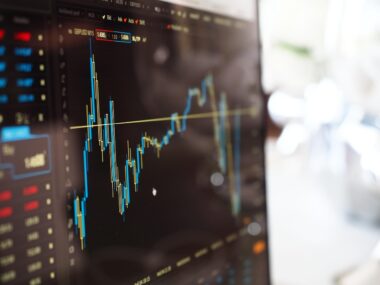

The Use of Neural Networks in Quantitative Trading
Quantitative trading has seen significant advancements with the introduction of neural networks, which emulate the human brain’s decision-making processes. Neural networks, a core component in the field of artificial intelligence, excel at recognizing patterns in vast datasets. In quantitative trading, the ability to identify market trends based on historical data is essential. These systems leverage complex algorithms to predict price movements effectively. Traders utilize various data types including price history, volume, economic indicators, and sentiment analysis to develop predictive models. By employing neural networks, firms can analyze large sets of information in real-time, thereby minimizing human biases often present in traditional trading methods. As a result, the deployment of these technologies can lead to enhanced trading performance, more consistent profits, and reduced risks. Moreover, neural networks continuously improve their predictive capabilities through machine learning techniques, adapting to shifting market conditions. This adaptability is vital for maintaining a competitive edge in the rapidly evolving finance sector. The integration of neural networks into trading strategies signifies a transformative shift, moving towards data-driven approaches that capitalize on algorithmic advantages for optimal trading outcomes.
Neural networks function through interconnected nodes, which process input data and produce outputs based on learned parameters. Each layer of nodes contributes to the model’s ability to learn complex relationships inherent in the financial markets. The architecture of a neural network typically consists of an input layer, hidden layers, and an output layer, enabling it to generalize from historical data to make future predictions effectively. Different architectures can be implemented, such as feedforward networks or recurrent neural networks (RNNs), depending on the specific task at hand. RNNs, for instance, are particularly adept at handling time series data due to their ability to consider previous inputs. When harnessed in quantitative trading, neural networks facilitate the identification of profitable trading signals. Financial institutions often invest heavily in hardware and computational resources to enhance the performance of their neural network models. Moreover, experimentation with hyperparameters is crucial to optimizing these models. The evolution of hardware accelerators, such as GPUs, has further enabled rapid processing of large datasets, which substantially reduces the time required for training complex neural networks. Investing in this technology is a testament to the belief in its potential benefits.
Challenges in Implementing Neural Networks
Despite their potential benefits, implementing neural networks in quantitative trading presents challenges that must be addressed. First, the risk of overfitting arises, wherein a model becomes too tailored to the training data and fails to generalize in real-world trading environments. This can lead to significant losses if traders rely on these models without proper validation. To mitigate this risk, a robust validation process is necessary, which often includes techniques such as cross-validation. Additionally, data quality is paramount; poor-quality data can distort model outcomes, prompting incorrect trading decisions. Beyond data issues, neural network models require substantial computational resources, including access to advanced hardware for efficient training and backtesting. The associated costs can be prohibitive, especially for smaller firms. Furthermore, the interpretability of model outputs can be a concern; traders may find it difficult to discern why specific predictions are made. Compounding these challenges, the financial markets are inherently volatile and subject to rapid changes that can render established models ineffective. Adapting to these evolving conditions requires continuous model refinement and updates.
The use of ensemble methods has emerged as a viable solution to the challenges posed by single neural networks in quantitative trading. Ensemble methods combine predictions from multiple models, significantly improving accuracy and robustness. By fusing diverse models, such as combining neural networks with traditional statistical methods, one can capture a variety of market dynamics. This approach not only mitigates the risk of overfitting but also enhances the model’s ability to adapt to different market conditions. As a result, ensemble methods can contribute significantly to the stability of trading strategies. Moreover, adaptive algorithms can modify their structure based on incoming data, further fortifying the decision-making process. Implementing ensemble techniques requires careful consideration of the individual models included and their performance metrics. Data scientists often conduct rigorous testing to evaluate ensemble combinations and strive for optimal configurations. This iterative process aids in continuously refining models. As neural networks evolve, so too do the methodologies and techniques that traders employ to harness their potential, allowing for more effective trading strategies. In a sector where precision and decisiveness are paramount, such enhancements are invaluable.
The Future of Neural Networks in Trading
The future of neural networks in quantitative trading appears promising, fueled by ongoing advancements in technology and data availability. As big data continues to expand, access to diverse datasets enables traders to generate more comprehensive models that closely reflect dynamic market conditions. The integration of real-time data analytics, such as streaming news feeds and social media sentiment, will augment neural network capabilities. Consequently, trading strategies will become increasingly sophisticated as these models learn from an expansive array of inputs. Furthermore, the development of explainable AI (XAI) is set to enhance the understandability of neural network predictions. Through explainable technologies, traders can gain insights into the reasoning behind predictions, thus fostering greater trust in the model’s outputs. This is crucial for regulatory compliance and risk management. Additionally, as the finance sector shifts toward automation, neural networks will play a key role in automating trade execution processes, optimizing entry and exit points. As these technologies evolve, they promise to reshape the future landscape of quantitative finance, enabling firms to leverage data-driven insights for superior trading performance.
However, the widespread adoption of neural networks in quantitative trading comes with ethical considerations and potential regulations. As reliance on automated decision systems increases, the implications of algorithmic trading must be carefully scrutinized. Issues such as market manipulation, algorithmic biases, and transparency must be addressed. Regulatory bodies may impose constraints to ensure fair market practices while promoting innovation in financial technologies. Compliance with these regulations will necessitate clear communication between financial institutions and regulators. Firms must adopt practices that ensure ethical algorithms, prioritizing intent and outcomes aligned with market integrity. Furthermore, educating stakeholders about the implications of AI in finance is crucial. This includes developers, traders, and regulators, fostering a shared understanding of potential risks. Collaboration between technologists and finance professionals can enhance the development of responsible and beneficial AI solutions. In this rapidly evolving environment, staying ahead of potential regulatory changes will be critical to maintaining competitive advantage. Ultimately, the successful implementation of neural networks in quantitative trading will depend not only on technological prowess but also on ethical considerations resonating with broader societal norms.
Conclusion
In conclusion, neural networks are poised to transform quantitative trading, offering innovative methods for data analysis and decision-making. As technology continues to advance and data becomes increasingly abundant, financial institutions can capitalize on these innovations to gain a competitive edge. The benefits of speed, accuracy, and adaptability inherent in neural network applications present unique opportunities for traders and firms alike. However, it is essential to approach the adoption of these technologies with both caution and foresight, acknowledging the associated challenges and ethical implications. Continuous refinement and validation of models will ensure their effectiveness in real-world scenarios. Furthermore, the integration of ensemble methods and explainable AI can enhance the robustness and transparency of trading strategies. By balancing the advantages of neural networks with ethical considerations and regulatory compliance, stakeholders can navigate this evolving landscape successfully. The future of quantitative trading will increasingly rely on these advanced methodologies, while also maintaining a commitment to integrity within financial markets. As we move forward, the interplay between technology, ethics, and regulation will undoubtedly shape the course of quantitative finance for years to come.
With proper implementation and continuous learning, neural networks hold the potential to redefine trading excellence in the financial sector.