
Simple Expense Tracking Techniques to Improve Cash Flow
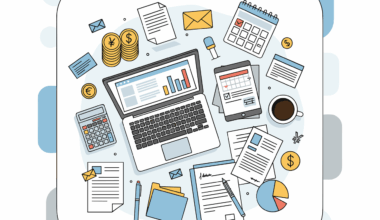
Effective expense tracking is essential for anyone seeking to improve their financial health. To begin, create a detailed budget that lists all your income sources and fixed expenses. This budget serves as a baseline against which you can measure your discretionary spending. Categorizing costs into groups makes them easier to track and manage. Consider splitting expenses into categories such as housing, transportation, groceries, and entertainment. Self-discipline plays a critical role, as you need to adhere to the budget you’ve set. Utilize software tools or mobile apps that help automate the tracking process. This will save you time and make it easier to stay organized. Regularly review your spending habits to identify patterns and areas for improvement. Being proactive will help ensure that you remain within budget. Lastly, make adjustments as necessary, especially if you notice overspending in a particular area. Small changes can lead to improved cash flow over time and enable better financial stability for the future. Overall, these techniques simplify tracking processes, offering clarity in financial situations to help you take control of your finances.
Identifying and eliminating unnecessary expenses is a critical aspect of effective expense tracking. Begin by reviewing your monthly expenses to uncover areas where you may be overspending. Look for subscriptions or services you no longer use, such as unused gym memberships or streaming services. Cutting back on eating out and choosing home-cooked meals can also significantly reduce expenditures. Implementing a ’30-day rule’ can help curb impulse purchases. If you find an item you want to buy, wait thirty days before making the purchase to assess if you truly need it. This method allows time to consider the financial impact of non-essential items. Another useful tip is to keep all receipts from your purchases. By periodically reviewing these receipts, you reinforce your awareness of spending habits. Create a habit of categorizing these receipts to visualize where your money goes. In addition, consider using cash for discretionary spending, as it often leads to reduced usage due to its tangible nature versus credit cards. By continually analyzing your expenses, you can identify trends that need attention, leading to better financial decisions and overall improved cash flow.
Utilizing Technology for Expense Tracking
Technology can significantly enhance your expense tracking capabilities. Numerous apps are available to help manage and monitor spending effectively. Applications like Mint or YNAB (You Need A Budget) offer features like real-time expense tracking and budgeting tools. These applications automatically import transactions from your bank account and categorize them for you, saving you valuable time and reducing the risk of manual errors. In addition, many of these apps provide analytical tools that allow you to assess your spending habits over time. By taking advantage of these features, you gain insights into your financial behaviors and discover areas needing improvement. Moreover, consider setting daily or weekly alerts for spending limits to maintain discipline. Alerts can prompt you to reconsider purchases before committing to them, fostering a healthier relationship with money. Furthermore, collaborations with banks and financial institutions lead to more sophisticated budgeting solutions, offering visual dashboards to oversee your overall finances. With technology making tracking easy and intuitive, it becomes less intimidating. Embracing these tools can set you on a path toward greater financial control and honing your cash flow management skills.
Implementing the envelope budgeting method is another useful technique for expense tracking. This traditional approach involves allocating cash into envelopes designated for different spending categories. For instance, set aside a specific amount of cash for groceries, entertainment, or dining out and only spend from those envelopes. The method effectively keeps your spending in check, ensuring you stick to your budget. Once the envelope is empty, you can no longer spend in that category, encouraging self-discipline and awareness. Even in an increasingly digital world, you can adapt this method by using virtual envelopes through digital budgeting apps. The visual representation of your budget helps to track spending visually, making it easier to understand. Regularly reviewing your envelope balance can prompt you to make decisions on whether to shift funds or cut back. This method is particularly useful for those struggling with overdrawing accounts or accumulating credit card debt. The instant feedback from an empty envelope allows for better emotional management over finances. The envelope budgeting system empowers individuals, directing focus on maintaining a healthy budget and improving overall cash flow.
Setting Financial Goals
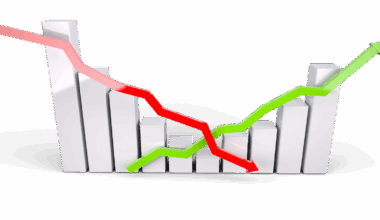
Establishing clear financial goals will accentuate your expense tracking initiatives. Start by defining short-term and long-term financial objectives. Short-term goals can include saving for a vacation or paying off a small debt, while long-term goals may relate to retirement savings or buying a home. By identifying specific goals, you give meaning to your expenses. Align your tracking efforts with these objectives to cultivate motivation for sticking to your financial plan. As you identify goals, prioritize them based on urgency and importance. For instance, paying off high-interest debt usually takes precedence over saving for a new car. Additionally, consider incorporating a visual tracking system, like a chart or graph that demonstrates progress toward your goals. This can be motivating and can help you visualize where you stand. Celebrate milestones, even small ones, as they can boost morale and commitment to your financial journey. Engaging in progress tracking fosters accountability. Share your goals and progress with family or friends, creating a supportive environment. Commitment to your goals reinforces your dedication to continually enhance cash flow and build financial freedom.
Reviewing your financial situation regularly is pivotal for improving cash flow. Conducting a monthly evaluation helps you monitor expense tracking effectiveness and identifies any areas needing adjustment. This practice helps keep your financial goals fresh in mind and provides a clear picture of your financial health. Regular reviews allow you to analyze spending patterns and modify your budget accordingly. Consider implementing a “financial health checkup” on the first day of each month to assess your income, expenses, and progress toward goals. Document insights gained during reviews and note what worked or didn’t with your expense tracking techniques. These reflections can lead to valuable discoveries, revealing trends or habits overlooked during ordinary observations. In addition, you might consider involving a financial coach or a trusted friend for a perspective outside of your own. Accountability can dramatically increase your success rates in improving cash flow. This support can keep you motivated when adjusting techniques, maintaining discipline, and sustaining awareness of your spending. By consistently reviewing your financial situation, you will empower yourself in navigating your financial landscape with increased confidence.
Conclusion and Emphasizing Accountability
In conclusion, enhancing cash flow through effective expense tracking is achievable with dedication and the right techniques. Start by implementing a detailed budget that highlights your fixed and variable expenses. Focus on identifying unnecessary costs and curb impulsive spending through waiting periods. Utilize technology and apps to automate the process and visualize spending trends. Adopt the envelope budgeting method to promote discipline and create visual accountability in spending categories. Set clear financial goals aligned with your tracking to provide motivation, and regularly evaluate your financial situation for continuous adjustment. Involving someone else can help maintain accountability to bolster your commitment. All of these methods combine to create an infrastructure that will improve your cash flow significantly. Remember that the path to financial health is an ongoing journey. By being proactive and mindful of your spending habits, you ensure effective expense tracking that leads to real, lasting financial improvement. Ultimately, take control of your finances by utilizing these techniques and creating the foundation needed for financial freedom and a brighter financial future.
Overall, the techniques discussed in this article provide a comprehensive guide to successful expense tracking. By upholding discipline, utilizing technology, and following these varied methods, you are well-equipped to make informed and conscious financial decisions. Adopting these practices fosters substantial improvements in managing cash flow and fortifying financial stability.