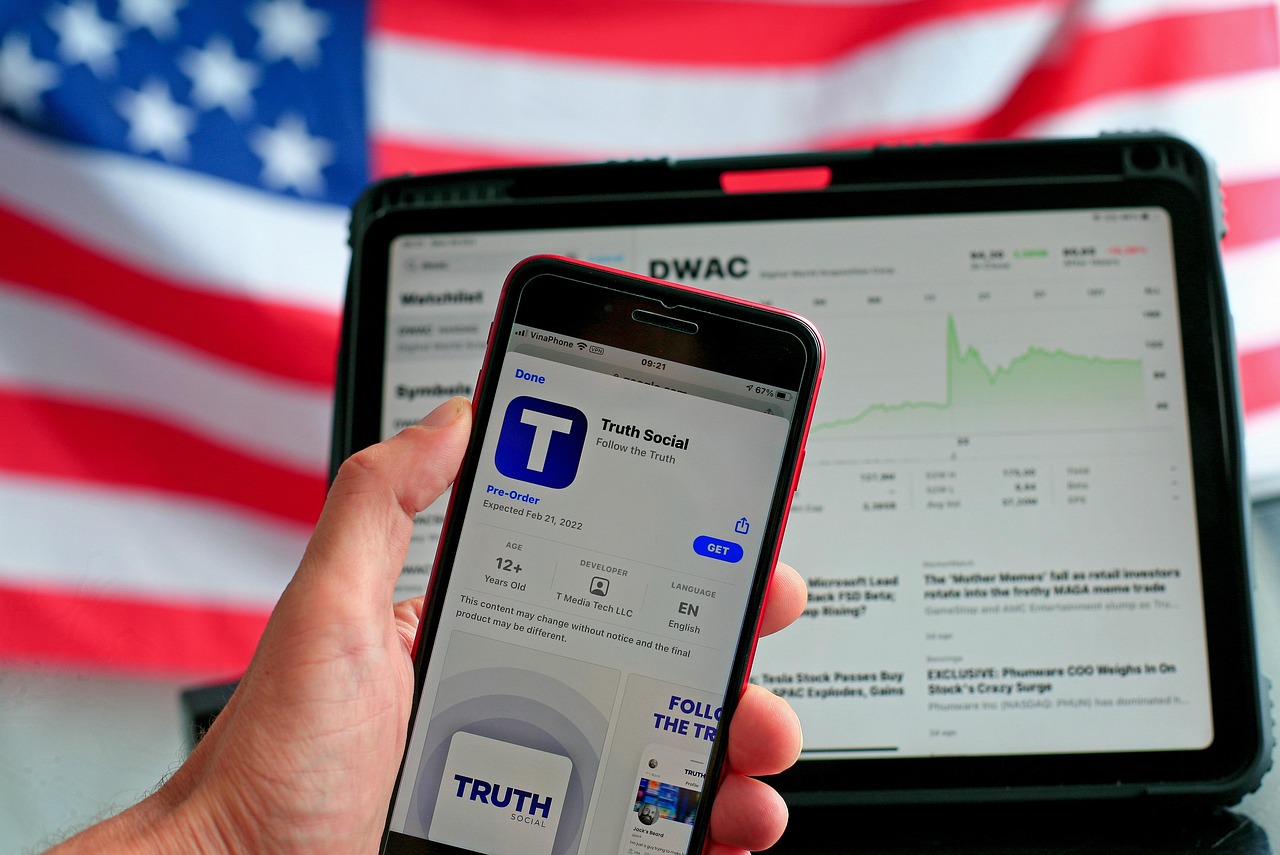

Global IPO Markets: Opportunities and Challenges
The global IPO market has experienced significant fluctuations over recent years. With varying economic conditions and market sentiment, companies are increasingly considering going public. An IPO provides businesses with access to vital capital that can facilitate growth and expansion. However, the decision to go public is rife with complexities. The initial public offering process involves rigorous regulatory scrutiny, financial disclosures, and the need for firms to maintain transparency. Investors closely examine the potential of companies in the IPO pipeline, assessing both the risks and rewards associated with new market entrants. Furthermore, a strong market performance can significantly influence investor confidence. Barnett et al. (n.d.) emphasize the importance of timing in maximizing stock valuations during an IPO. For many companies, developing a robust market strategy is critical to harnessing the full potential of their public listing. The necessity for proper valuation, expert advisory services, and strong underwriter support is paramount. As such, understanding market trends and investor preferences can inform strategic decisions about when to launch an IPO. Companies must carefully navigate the IPO landscape to capitalize on emerging opportunities and mitigate challenges that may arise throughout the process.
In the current landscape, emerging markets present unique opportunities for IPOs. Countries with developing economies are increasingly attracting international investors seeking high-growth potential. These markets offer attractive valuations that can enhance the appeal of investments. Factors driving these trends include improving regulatory frameworks, enhanced transparency, and growing consumer markets. With globalization, regional companies can list on major exchanges to reach a broader investor base. Additionally, technological advancements have enabled companies in these regions to improve their operational efficiencies and establish competitive advantages. However, firms aiming for IPOs in emerging markets must also navigate significant risks, such as political instability, currency fluctuations, and varying investor sentiments. Ensuring compliance with international regulations and local expectations can add layers of complexity for these companies. Importantly, investor education about these new markets is crucial to securing favorable outcomes during IPO engagements. Strategies tailored to address the nuances of each market environment can significantly enhance an offering’s success. Thus, comprehensive market analysis and understanding local dynamics are essential for companies looking to tap into these burgeoning IPO markets and optimize their entry strategies.
Challenges of IPOs in a Volatile Market
Investors’ sentiment plays a decisive role in the success of IPOs, especially in volatile market conditions. Market volatility can often lead to uncertainties regarding the future performance of public offerings. As seen in recent years, fluctuations in market indices can greatly impact IPO valuations and post-offering stock performance. Companies may delay or cancel their IPOs in response to unfavorable market trends, opting instead to wait for a more stable economic environment. Furthermore, high-profile IPO failures remain a concerning trend that affects overall investor confidence in the market. Investors are increasingly wary and conduct extensive due diligence, carefully evaluating the financial health and growth potential of companies in the offering stage. Additionally, the need for transparency and scrutiny demands that companies invest considerable time and resources in adhering to regulatory standards. Competition among companies seeking to go public also intensifies during periods of instability, leading to aggressive pricing strategies that may later prove detrimental. Thus, companies must not only prepare for the IPO process rigorously but also develop contingency plans to address the challenges that arise due to market fluctuations to safeguard their interests.
While the global IPO market poses substantial challenges, it also offers various opportunities for innovative companies. Many tech firms, specifically, have capitalized on the demand for digital solutions, especially in light of the COVID-19 pandemic. Investors are keen on identifying disruptive technologies and business models that promise rapid growth. Moreover, the rise of special purpose acquisition companies (SPACs) has transformed the IPO landscape significantly. SPACs provide an alternative route for companies seeking to go public without traditional underwriting processes. This method allows companies to bypass lengthy preparation times and can increase fundraising speed. However, companies pursuing SPAC deals must navigate their own sets of challenges, such as the need for meticulous due diligence and regulatory adherence. The rise of ESG (Environmental, Social, and Governance) criteria further enhances the landscape, with investors increasingly prioritizing sustainability in their investment decisions. As such, companies that align their business models with these criteria are likely to attract more investors. Identifying opportunities amidst a fast-evolving market requires agility and foresight, enabling companies to seize advantageous circumstances that may arise during the IPO process.
The Role of Technology in IPO Processes
Technology’s impact on IPO processes cannot be understated, as it reshapes how companies prepare for and execute their offerings. Digital platforms have streamlined compliance and documentation processes, improving efficiency and transparency. Innovative tools are available for data analysis, allowing companies to gain insights into market trends and investor behavior. These technologies facilitate better decision-making, with predictive analytics helping to forecast demand and pricing strategies effectively. Webcasting and social media enable firms to reach potential investors directly, fostering engagement and transparency. These channels provide companies with the capability to present their stories and value propositions effectively. As the IPO landscape becomes increasingly competitive, leveraging technology can provide distinct advantages, empowering firms to stand out in crowded markets. Moreover, blockchain technology is emerging as a revolutionary force in capital markets, offering solutions for enhancing security and transparency in transactions. While technology presents considerable advantages, companies must also remain vigilant against cybersecurity threats that could jeopardize investor trust. Balancing the benefits and risks of technological advancements is essential for companies wishing to navigate the IPO landscape with efficiency and effectiveness.
Investor education plays a crucial role in the success of IPOs, as informed investors are more likely to engage positively with offerings. Companies must prioritize transparency and communication to build trust and credibility. By providing comprehensive information about their business, growth potential, and risks, firms can empower investors to make informed decisions. Additionally, organizing investor roadshows and utilizing digital marketing strategies can foster engagement and create buzz around the offering. Understanding investor sentiment and market demand enables companies to refine their messaging, enhancing appeal. Improved investor relations can also lead to enhanced long-term performance post-IPO. Furthermore, educating investors about the dynamics of equity markets, volatility, and investment strategies is vital in ensuring sustainable growth. Companies can also benefit from collaborating with financial advisors and consultants who specialize in IPO processes to maximize investor outreach. Engaging the target audience while providing educational resources allows firms to generate greater interest and excitement around their offerings. Thus, companies that invest in investor education are better positioned to achieve successful offerings and foster positive long-term relationships with their stakeholders.
The Future of IPO Markets
The outlook for global IPO markets remains promising, with companies continually seeking innovative ways to access capital. Emerging technologies and regulatory developments promise to refine the IPO process. The trend towards digital transformations fosters growth opportunities across various sectors, further enticing companies to consider public listings. Moreover, the increasing focus on sustainability signals a shift in investor preferences, impacting the types of companies that succeed in IPOs. As investors place greater emphasis on ESG factors, firms aligning with these preferences may experience enhanced demand during their offerings. The trend of physicians and healthcare-related startups entering the IPO landscape indicates diversification within the market. This expanded landscape implies that potential for increased IPO activity is strong in various sectors. Additionally, new funding models, like crowdfunding, expand access to public markets, allowing previously excluded companies to participate in IPOs. This democratization of access can lead to a surge in public offerings from diverse industries. While challenges persist, the future of IPO markets appears dynamic, signaling that companies must remain responsive and innovative to harness the full potential of upcoming opportunities.
Ultimately, the global IPO landscape is continuously evolving. Firms must stay informed about market dynamics, regulatory changes, and investor sentiment to successfully navigate this environment. Developing adaptable strategies can significantly enhance a company’s chances of a successful IPO. As the market shifts, companies that can effectively harness opportunities while managing risks will thrive upon entering the public domain. The collaboration between organizations and financial institutions is essential to create a robust support system. Through updated practices and resources, the IPO process can become more efficient and investor-friendly. Additionally, creating environments that prioritize transparency, due diligence, and sustainability will enable greater investor confidence and market stability. Understanding these factors will be crucial as companies seek to optimize their approach to going public. A forward-thinking mindset characterized by flexibility, innovation, and collaboration defines the path towards successful IPOs. Overall, this offering phase represents not just a transaction, but a journey that can propel businesses to substantial growth, expanded visibility, and increased stakeholder engagement in the evolving capital market landscape.