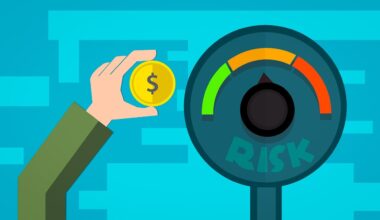

Understanding the Importance of Budgeting
Budgeting serves as the backbone of our financial health, empowering us to make informed decisions. Creating your first budget lays the groundwork for financial discipline and enables manageable tracking of income and expenditures. To develop a robust budgeting framework, identify your income sources, such as salaries and bonuses, then document all necessary expenses. This includes fixed costs like rent and utilities, as well as variable expenses such as groceries and dining out. Once you have a clear overview of both income and expenses, categorize them into essential and discretionary spending. Essential expenses are those you cannot avoid, while discretionary spending can be adjusted. Hence, having this clarity allows for better insight into areas where you might cut back if unexpected costs arise. Additionally, always equip yourself with tools to monitor your budget. Budgeting apps can aid significantly in tracking your financial journey. These applications provide visualizations and alerts, helping you stay on course. Flexibility is crucial, and it’s essential to review and adjust once you develop a clearer understanding of your spending habits. Emphasize this adaptability in your financial planning process.
Setting Realistic Goals
When creating your first budget, it’s vital to set practical financial goals. Approach your budgeting process with specific, measurable objectives that reflect your current financial circumstances. For instance, you might intend to save a certain amount each month, eliminate debt, or allocate funds towards a long-desired purchase. Start by assessing your short-term goals, focusing on what you want to achieve within the next six to twelve months. This could entail establishing an emergency fund or planning for a vacation. Simultaneously, think about long-term aspirations like home ownership or retirement savings. Remember that budgeting goals should be achievable and time-bound, reducing the likelihood of frustration and disappointment as you progress. Break these goals into smaller, manageable milestones. Consider creating a separate line item in your budget designated for savings towards these targets. Regularly track your progress by revisiting these goals weekly or monthly. Celebrate small victories along the way to bolster your motivation. Flexibility in adjusting goals is essential, especially if circumstances change. Equip yourself with patience, and be prepared to revisit and tweak these objectives as your financial situation evolves.
Linked to effective budgeting is the practice of adjusting spending habits. Understanding and modifying your spending behaviors will significantly affect your financial situation. Often, people are unaware of where their money goes, leading to overspending, especially on discretionary items. Keep a detailed record of your expenditures, ideally over a month, to discover unintended spending patterns. From impulse purchases to frequenting coffee shops, identifying these areas is vital for improvement. Technology can assist here; utilize apps that categorize spending and provide insights. Assess your financial priorities regularly to track if your spending aligns with your goals. If certain habits are identified as unnecessary, consider alternatives that save money. For instance, dining out can be replaced with cooking at home. Moreover, allocate designated funds specifically for leisure activities, preventing overspending while allowing you enjoyment within your budget. A crucial aspect of this process is restraint during moments of temptation—recognizing urges to spend and practicing delay can aid significantly. This transformation into smarter spending habits will bolster your budgeting efforts and lead to improved financial stability in the long run. Adaptability across various spending categories assures continued compliance.
Regularly reviewing your budget is crucial in fostering long-term financial discipline. A dynamic approach ensures you adapt to changes in income or spending behavior promptly. Set a specific timeframe to revisit your budget, like monthly or at the end of each pay period. During this review process, assess both income and expenses, noting fluctuations or unexpected expenses that may arise. Re-evaluating ensures that your budget remains realistic and tailored to current circumstances. If you notice patterns of overspending, investigate the causes. Having set funds for entertainment or wants allows assessments of possible adjustments when needed. Another significant factor is aligning your budget with upcoming life changes such as a new job, relocation, or family additions. Incorporate these changes into your budget swiftly to maintain your financial trajectory. This adaptability is a key to staying flexible while budgeting; the ability to pivot and correct course when necessary leads to more sustainable financial health. Ensure your budgeting approach evolves alongside your life, as a rigid budget may lead to frustration. It’s a financial strategy that accommodates changes without compromising the stability you intend to achieve.
Using budgeting tools can greatly enhance your ability to maintain flexibility. These tools, whether they are applications, spreadsheets, or even traditional notebooks, provide structure while allowing for necessary adjustments. Set up a dedicated budgeting tool that fits your lifestyle; the choice may vary from highly detailed applications to more simple methods based on personal preference. Many popular budgeting applications offer features like sync options with your bank accounts, helping you track expenditures in real time. Regularly updating and auditing these tools prevents overspending and keeps your financial goals at the forefront. Implement visual aids within your budgeting system, such as charts and graphs, to make progress tangible and engaging. This visual representation can foster motivation to stick to your budget while remaining adaptable. Further, connect with online forums or communities that focus on budgeting support, sharing experiences and tips that can prove invaluable. Ultimately, the key is creating a budget that serves your unique lifestyle while leaving room for adjustments. Learn from feedback, and actively engage with your budgeting methods until they work seamlessly with your life. Emphasis on these adaptable tools promotes sustained financial success in the long run.
Consider the emotional aspect of budgeting and finances when crafting your first budget as well. Money can often be a sensitive topic, filled with stressors and emotional sentiments. As a result, addressing emotional spending can be just as vital as creating your numerical budget. Frequently, financial anxiety can lead to impulsive purchases to alleviate stress. Acknowledge any feelings that may drive your spending habits, creating a positive relationship with your finances. Understanding your triggers will allow you to address emotional spending thoughtfully, incorporating strategies into your budgeting approach. For instance, when confronted with financial urges, pause to evaluate the motivation behind them. This simple act of mindfulness can deter unnecessary purchases and solidify your budgeting efforts. In addition, consider setting aside a small budget for spontaneous purchases that may fulfill emotional needs without derailing your entire budget. This approach allows for flexibility while also reinforcing discipline in spending. Ultimately, recognizing budgets as a tool for empowerment helps create a less stressful association with financial management. Engage with this aspect, and build an interpretation of budgeting that incorporates emotional well-being and financial responsibility, contributing to your overall success.
Finally, remember that staying flexible is integral to sticking to your first budget. Life is unpredictable, which calls for proficient financial planning. Be aware that your budget is a living document that should evolve. As you experience changes—from job transitions to unexpected expenses—you must embrace this adaptability. When adjustments are necessary, revisit your goals, deciding whether they still reflect your current situation. Throughout your budgeting journey, do not shy from rewarding yourself; incorporating flexibility into your budget can improve your motivation. Designate small rewards for achieving milestones, such as saving a specific amount or paying off a debt. This positive reinforcement builds excitement within the budgeting framework. Furthermore, seek encouragement from support networks—friends, family, or online communities can provide insights into their budgeting experiences, offering perspectives that may inspire unique strategies. The essence of a successful budget lies not solely in strict rules but allowing yourself to pivot as needed. Embrace the idea of continual learning; every budgeting experience is an opportunity for growth, ultimately leading to better financial habits in the future. Maintain this balance, fostering a healthier relationship with money as you navigate through your financial journey.
Image 1: