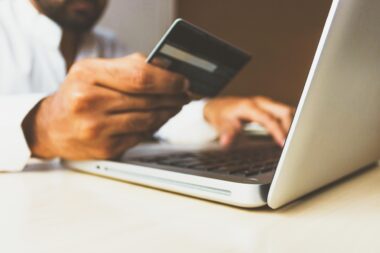

How Tokenization Protects Sensitive Payment Information
In today’s fast-paced digital economy, safeguarding sensitive payment information is essential for maintaining customer trust and business integrity. Tokenization is a prominent security feature that replaces sensitive card data with randomly generated tokens. This means that when a transaction occurs, the actual credit card number is never exposed, significantly reducing the risk of data breaches. With the surge of digital payments, protecting sensitive information during online transactions has become critical for both consumers and businesses. Tokenization operates by using secure algorithms to encrypt standard payment data, ensuring that only the token can be used to conduct transactions. If a cybercriminal intercepts a token, it cannot be used for any other transactions, thus rendering it worthless to potential thieves. Furthermore, many companies are now adopting tokenization solutions as part of their overall data security strategy. By implementing such measures, businesses can not only comply with regulatory requirements but also improve their reputation by demonstrating a commitment to safeguarding personal data. This system offers an effective defense against fraud and builds consumer confidence in online payment systems, ultimately encouraging higher spending and increased transaction volumes.
Tokenization is often confused with encryption, but these technologies serve different roles in securing payment data. Encryption transforms data into a secure format, requiring a key to revert it back to its readable state. In contrast, tokenization substitutes sensitive data with non-sensitive equivalents, known only to the payment processor. This distinction is crucial, particularly in scenarios where hackers aim to obtain customer data. For instance, if a company is breached and its encrypted data is compromised, attackers could decipher the data if they possess the encryption key. However, with tokenization, stolen tokens provide no real value, making the risk of such breaches substantially less dangerous. Not only does tokenization protect payment information effectively, but it also enhances compliance with data protection standards such as PCI DSS. Businesses leveraging tokenization can reduce the scope of their PCI compliance efforts, thus saving time and resources. This reduction is essential for small to medium enterprises that may struggle with the costs involved. As the digital payment landscape evolves, organizations must embrace tokenization as a vital component of their security infrastructure.
The Compliance Benefits of Tokenization
Complying with payment security requirements is critical for businesses in digital transactions. Tokenization plays a significant role in simplifying compliance with various standards, such as the Payment Card Industry Data Security Standard (PCI DSS). PCI DSS outlines strict guidelines for processing, storing, and transmitting credit card data to reduce fraud and enhance transaction security. By utilizing tokenization, businesses can minimize the sensitive information they store, which indirectly reduces the scope of compliance audits. This means that fewer systems and processes require rigorous security checks, leading to lower compliance costs and increased efficiency. Additionally, tokenization helps companies avoid the potential penalties associated with non-compliance, which can be substantial. Furthermore, using tokens instead of actual card data means that businesses can confidently handle transactions without exposing themselves to the same level of risk associated with storing sensitive information. Organizations are increasingly aware of the importance of data protection, and tokenization provides a feasible path to achieve compliance. As regulatory environments become more stringent, companies will undoubtedly turn to tokenization to simplify their payment processing and enhance their data security strategies.
Moreover, tokenization significantly boosts the overall security of digital payment systems. By minimizing the amount of sensitive information stored on a server, the potential for data theft is drastically reduced. In the past few years, there have been numerous high-profile data breaches, exposing millions of customers’ credit card details. These incidents have sparked a demand for more secure methods of handling financial data. Tokenization answers this demand by ensuring that even if a data breach occurs, the information obtained is virtually useless to fraudsters. Tokenization systems also integrate seamlessly with other security measures like fraud detection and prevention techniques, creating a multi-layered approach to security. As organizations strive to not only meet security compliance but also protect their reputations, this layered approach becomes more crucial. Another advantage of tokenization is its adaptability; it can be applied across various payment channels, whether in-store, online, or mobile. This versatility helps create a consistent security strategy across all platforms. In an era where threats are constantly evolving, ensuring the integrity of payment information through tokenization is essential.
Enhancing Customer Trust Through Security
Building and maintaining customer trust is essential for any business, and the protection of personal information is a key factor in this trust. Consumers today are more aware of the risks associated with sharing their financial data online, leading them to be cautious about their payment choices. Tokenization enhances customer trust by offering a more secure transaction experience. When customers know that businesses are taking extensive measures to protect their information, they are more likely to shop online. Companies that implement tokenization demonstrate a commitment to customer safety, reassuring users that their payment data is being handled securely. The less a company exposes itself to sensitive information, the more likely it is to earn loyal customers. Furthermore, customers feel more confident making larger purchases when their payment information is tokenized, as they know that it is significantly safer. Research indicates that a secure payment process can directly influence a customer’s decision to complete a transaction. By ensuring that tokenization is part of the payment experience, businesses foster an environment for increased spending and repeated transactions.
In addition to customer trust, tokenization helps minimize the impact of breaches when they occur. Despite the best security measures, no system is entirely immune to cyberattacks. When breaches happen, companies that have implemented tokenization can limit the damage by protecting the actual data. Since tokens cannot be reversed to reveal sensitive information, even if a breach occurs, the information criminals obtain is limited. This differs from traditional security methods, where exposed card details can lead to identity theft and financial loss. Moreover, tokenization can enhance a company’s crisis management strategies. In the event of a data breach, businesses can focus their response on securing their systems while reassuring customers about tokenization’s protective measures. This reassures customers that their sensitive information remains secure, preserving the company’s reputation in the process. With data breaches causing companies significant financial losses and reputational damage, showing a commitment to tokenization can be viewed as a strong strategic move. By proactively addressing security concerns through tokenization, businesses can protect their bottom line and foster long-lasting customer relationships.
The Future of Payment Security with Tokenization
As digital payment systems continue to evolve, tokenization is anticipated to play a vital role in shaping the future of payment security. With advancements in technology and the increasing complexity of cyber threats, businesses must adopt innovative solutions to protect sensitive data. Tokenization not only addresses today’s challenges but also adapts to emerging trends, such as mobile payments and digital wallets. As consumers shift toward using mobile devices for transactions, the demand for tokenized payment systems will surge. Mobile wallets, such as Apple Pay and Google Wallet, rely heavily on tokenization to secure transactions. This means that as mobile payment adoption increases, so will the implementation of tokenization technologies. Furthermore, tokenization’s flexibility allows for integration with other security technologies, enhancing the overall security infrastructure. As artificial intelligence continues to advance, combining AI with tokenization may create more sophisticated fraud detection systems. Businesses that invest in tokenization now will leverage its benefits long-term, establishing themselves as leaders in secure payment processing. In the ever-changing landscape of digital payments, tokenization represents not just a solution, but a promise of a secure future.
The importance of tokenization in the realm of digital payment security cannot be overstated, especially as preferences continually shift toward cashless transactions. Understanding the intense pressures of consumer demands, businesses are prompted to provide superior security measures. Tokenization serves as a reliable barrier against potential threats, while also facilitating seamless sales experiences for customers. Such efforts ultimately result in higher acceptance rates among customers wary of sharing their credit card data. As international transactions expand, it will be increasingly important to adopt security protocols that are scalable and adaptable to different markets while protecting sensitive information. Tokenization meets these needs by ensuring that businesses can operate securely across varying regulatory environments. In a global marketplace, having versatile and reliable security measures is crucial for nurturing customer relationships. As tokenization becomes more widely adopted, its continued development will likely yield even more robust security features and integration solutions. This will not only support emerging technologies but also cater to a diverse clientele. By placing data security at the forefront of payment systems, businesses capitalize on customer trust and loyalty, paving the way for sustainable growth and innovation.