
Leveraging Workflow Automation to Monitor Customer Journey in Finance
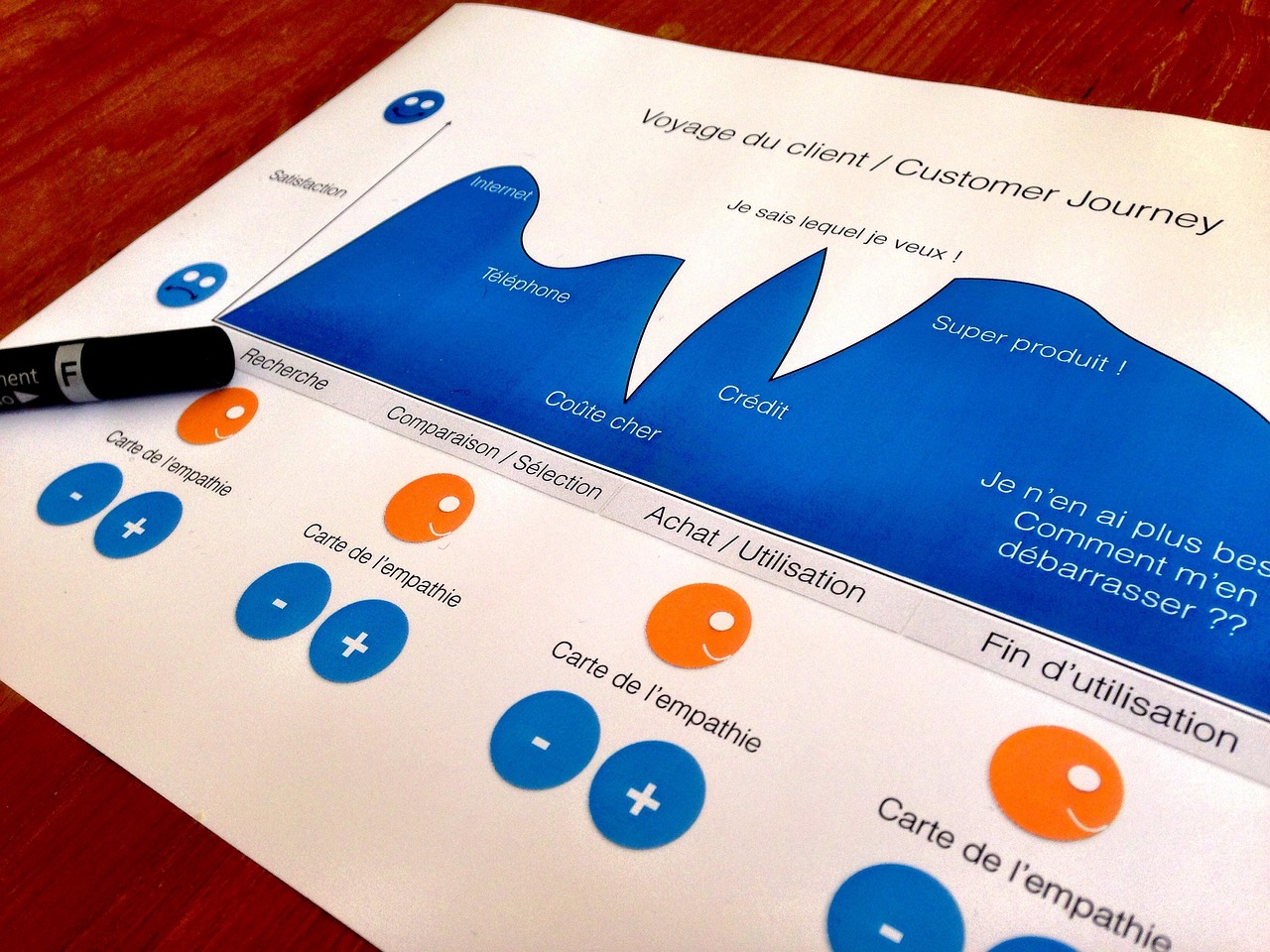
In the ever-evolving financial landscape, organizations face the significant challenge of maintaining meaningful relationships with their clients. Workflow automation has emerged as an essential tool enabling firms to streamline communication and engagement throughout the entire customer journey. Implementing these workflows allows for the systematic monitoring of interactions, preferences, and feedback, ensuring that financial institutions can adapt their services accordingly. The integration of technology in managing customer relationships ultimately enhances efficiency. By automating routine tasks, employees can shift their focus to more critical and strategic aspects of customer care. When implementing workflow automation, it is vital to consider how these systems integrate with existing tools and processes. This ensures that the transition is smooth and that employees receive appropriate training to maximize the utility of automated systems. The financial sector, which relies heavily on data-driven decision-making, can significantly benefit from these workflows, producing insights for better financial planning and personalized offerings. By tracking and analyzing the customer journey through automated means, financial companies can deliver tailored solutions and responsive service, ultimately leading to increased customer satisfaction and loyalty.
Understanding the Importance of Workflow Automation
Understanding the importance of workflow automation in customer relationship management is crucial for any finance-focused organization attempting to thrive in today’s market. As customer expectations rise, financial institutions must leverage technology to meet and exceed these needs effectively. Automating workflows helps in tracking customer interactions, which provides essential data to enhance engagement strategies. Moreover, enhanced workflows can directly impact productivity and resource allocation, allowing staff to devote more time to high-level customer relationship tasks rather than repetitive administrative actions. Automated processes facilitate smoother communication between internal teams, helping to eliminate silos that can lead to miscommunication and slowed response times. This technology can also enhance accuracy in reporting customer behavior, enabling more informed strategic decisions that align with customer preferences. By consistently monitoring customer journeys through automated workflows, financial organizations can identify bottlenecks in service delivery. These insights are invaluable in creating a more seamless experience for customers and predicting their evolving needs. Customizing services based on real-time data input not only strengthens customer loyalty but also positions the organization as a forward-thinking leader in financial service offerings.
To effectively implement workflow automation across customer journeys, financial organizations must first assess their existing processes thoroughly. This evaluation will identify areas ripe for automation, which are typically associated with high volume, repetitive tasks that consume precious resources. Commonly automated tasks include data entry, appointment scheduling, and follow-up communications. Eliminating these manual processes reduces error rates and increases efficiency, offering a better experience for both customers and employees. Additionally, integrating relationship management software with customer data platforms ensures consistent data flow and increased transparency. By centralizing customer information, financial institutions can create more personalized experiences, minimizing the time staff spend searching for crucial customer details. This level of organization bolsters overall customer service efforts, which is essential in building long-term relationships. Another significant aspect is ensuring that automation solutions maintain compliance with various regulations in the finance sector. By implementing automated compliance checks in workflows, organizations can uphold stringent adherence to industry standards and avoid potential legal issues, thereby enhancing their reputation with clients. This multifaceted approach to workflow automation ultimately enables financial institutions to engage more effectively within their customer journeys.
Enhancing Customer Insights
Enhancing customer insights is one of the most significant advantages of employing workflow automation in finance. Organizations now have access to unprecedented levels of data, allowing for a deeper understanding of client preferences and behaviors. By utilizing customer relationship management tools alongside advanced analytics, financial institutions can segment their clientele effectively. This segmentation diverts resources toward personalized marketing campaigns, ensuring that communications resonate with specific audience groups. Additionally, understanding customer behavior enables proactive follow-up initiatives tailored to individual needs, maximizing customer engagement. Automated systems make it possible to track trends over time and adjust strategies accordingly, rather than relying solely on historical data. This adaptability is crucial in finance, where market conditions can shift rapidly and unpredictably. Furthermore, these insights facilitate the identification of potential high-value clients, providing a focal point for specialized marketing efforts. Engaging proactively with these customers can lead to higher satisfaction rates, increased referrals, and ultimately better retention. Investing in workflow automation technologies allows firms to foster a dynamic approach to understanding their clientele, ensuring they remain competitive and relevant in an ever-changing industry.
To maximize the benefits of workflow automation, bringing team members on board is essential. Employees should be involved in the planning and implementation phases, as their feedback can provide valuable insights into potential challenges and areas for improvement. Training staff to navigate new automated systems will enhance their confidence in utilizing these assets effectively, allowing for a smoother transition. Clear communication regarding the benefits of workflow automation is vital to foster buy-in from all employees. Establishing a supportive environment ensures that they feel comfortable adapting to changes, leading to higher adoption rates. In finance, where client relationships are paramount, ensuring that the workforce is proficient in using automation tools will enhance overall customer engagement. Additionally, creating a feedback loop that allows employees to share their experiences with automation systems helps identify opportunities for further enhancements. Encouraging a culture of continuous improvement fosters innovation within the organization, resulting in optimized workflows that better serve customer needs. As employees become more adept at using workflow automation, the organization as a whole can expect to see significant advancements in customer relations and overall service delivery.
Measuring Success Through Automation
Measuring success through automation requires clear performance indicators and consistent tracking mechanisms that align with established customer journey goals. Organizations must set specific metrics to evaluate the effectiveness of their workflow automation initiatives. Key performance indicators could include customer satisfaction scores, response times, and retention rates, which are instrumental in gauging the impact of automation on customer relationships. Leveraging data analytics tools to monitor these metrics provides actionable insights that help organizations fine-tune their workflows. Furthermore, instituting regular review processes allows teams to adapt to changing customer needs and market conditions. For effective monitoring, businesses should consider using customer feedback mechanisms integrated with automated systems, enabling them to gather timely input. This real-time feedback loop can be vital for identifying potential issues before they escalate, facilitating proactive measures that bolster customer satisfaction. Financial institutions can demonstrate their commitment to continuous improvement by showcasing enhanced metrics resulting from automated workflows. In addition, transparent reporting on automation achievements can reinforce the organization’s dedication to customer centricity, further strengthening relationships with clients as they see evidence of responsive, tailored services.
As customer journeys continue to evolve, workflow automation will remain an essential asset for financial institutions striving for excellence in customer relationship management. Organizations must stay ahead of industry trends and embrace technological advancements that facilitate enhanced workflows. This approach not only streamlines processes but also fosters a culture of adaptability. By incorporating feedback and continuously refining automated systems, firms can maintain relevance in an increasingly competitive landscape. Collaborating with technology providers ensures that financial institutions implement the most effective solutions tailored to their operational requirements. Investment in ongoing training and professional development for employees will also empower them to leverage these systems. For the automation strategy to thrive, accountability and clarity in team roles are necessary. Each member must understand how their contributions align with broader organizational objectives. Successful execution leads to more substantial insights and greater efficiency, which translates directly to improvements in customer experiences. Ultimately, with automation as a cornerstone of their relationship management strategy, financial firms can anticipate and exceed customer expectations, transforming traditional customer journeys into tailored, meaningful experiences that resonate deeply with clients.
In the ever-evolving financial landscape, organizations face the significant challenge of maintaining meaningful relationships with their clients. Workflow automation has emerged as an essential tool enabling firms to streamline communication and engagement throughout the entire customer journey. Implementing these workflows allows for the systematic monitoring of interactions, preferences, and feedback, ensuring that financial institutions can adapt their services accordingly. The integration of technology in managing customer relationships ultimately enhances efficiency. By automating routine tasks, employees can shift their focus to more critical and strategic aspects of customer care. When implementing workflow automation, it is vital to consider how these systems integrate with existing tools and processes. This ensures that the transition is smooth and that employees receive appropriate training to maximize the utility of automated systems. The financial sector, which relies heavily on data-driven decision-making, can significantly benefit from these workflows, producing insights for better financial planning and personalized offerings. By tracking and analyzing the customer journey through automated means, financial companies can deliver tailored solutions and responsive service, ultimately leading to increased customer satisfaction and loyalty.