
The Influence of Social Media on Stock Market Bubbles
The stock market has significantly evolved over the last few decades, influenced by various factors, including technology and social media. Traditionally, these markets operated based on fundamental analysis, considering aspects such as earnings, dividends, and economic conditions. However, with the rise of social media platforms like Twitter, TikTok, and Reddit, the dynamics have evolved. Traders and investors increasingly rely on these platforms for real-time information and sentiment analysis. This transformation warrants an exploration into how social media impacts stock market bubbles, particularly in amplifying investor behavior and speculative trading. The rapid proliferation of user-generated content and viral trends can create echo chambers, leading to mass hysteria regarding specific stocks. Consequently, volatility levels may skyrocket, resulting in bubbles that may burst with little warning. Understanding this phenomenon is crucial for both novice and experienced investors, as it highlights the importance of making informed decisions rather than becoming overly influenced by social chatter. Investors should remain alert to the lure of social media hype and its potential consequences on their portfolios.
The manner in which social media facilitates information dissemination and speculation necessitates an assessment of its effects on market psychology. Bubbles arise when stocks, driven by excessive speculation, attain inflated values detached from their underlying fundamentals. Social media can sensationalize market events, provoking fears of missing out (FOMO) among investors. This leads to a self-perpetuating cycle where rising prices attract more attention, compelling further investment inflows. Furthermore, social media influencers can impact the buying and selling behavior of their followers, often driving price action in particular stocks regardless of their intrinsic value. Such marketing tactics can significantly heighten the risk of a stock market bubble as excitement mounts. Additionally, discussions surrounding key stocks can create a sense of urgency that may pressure investors into making impulsive decisions. The sense of community built around these platforms can reinforce existing beliefs, leading to confirmation bias that undermines rational investment strategies. As this dynamic plays out, investor sentiment can shift dramatically, rendering traditional analysis tools less effective and revealing the significance of understanding social media’s role in shaping stock market trends.
Case Studies of Stock Market Bubbles
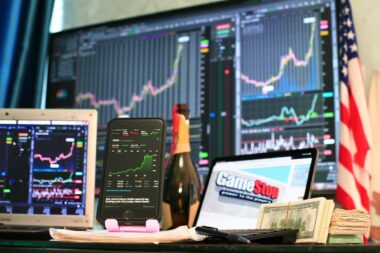
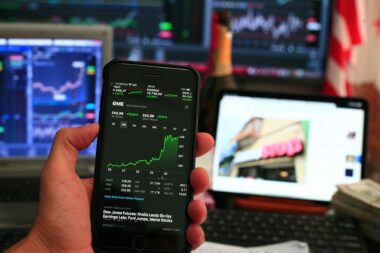
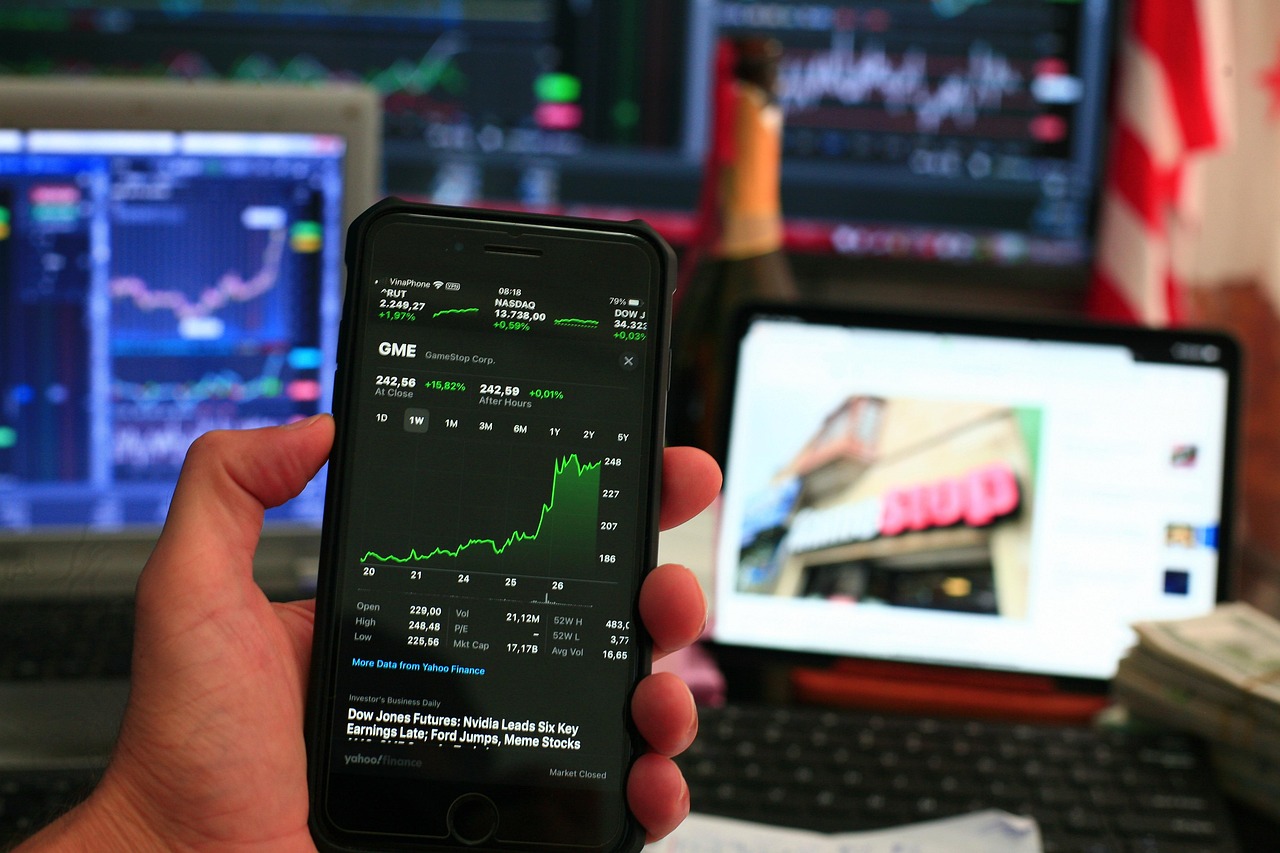
Several notable stock market bubbles provide insight into the impact of social media on investor behavior. The dot-com bubble of the late 1990s exemplifies how hype and speculation can inflate stock prices beyond theirological value. During this period, online forums and chatrooms began promoting tech stocks fervently, often disregarding the financial realities of the companies involved. This scenario drew in investors eager to partake in the burgeoning internet boom, driven primarily by social networks that amplified excitement around tech stocks. Fast-forward to the GameStop saga in early 2021, which demonstrated the incredible messaging potential of platforms like Reddit. Retail investors rallied together to drive the stock price of GameStop to astronomical levels, fueled by the desire to challenge institutional investors. This event underscored the tremendous power of collective action in today’s investment landscape. By understanding these instances and examining social media’s role within them, investors can better grasp how to navigate the potential for bubbles while minimizing risks associated with speculative behaviors fostered by social media platforms.
Investor sentiment and social media interactions create a complex tapestry of influences within the stock market, magnifying the potential for bubbles. The speed at which information can spread on social media adds to the already volatile nature of stock trading, with price swings occurring rapidly as traders react to minute-to-minute updates. Cultural phenomena, including memes, can propagate trends that influence stock valuations quickly, making it incumbent upon investors to remain vigilant about the underlying fundamentals rather than being swayed by popular sentiment. Furthermore, the advent of trading apps that enable quick stock transactions has made it easier for individuals to act on the recommendations coming from social media feeds. The democratization of trading has provided more avenues for individuals to voice opinions, adding to the chorus that can invigorate specific stock prices. Analyzing sentiment surrounding stocks has become an industry in itself, with algorithms assessing social sentiment for professional investors. As this field grows, engaging with the social media landscape can help inform investment strategies, ensuring that investors remain aware of trends, both positive and negative, that may hint at emerging bubbles.
The Role of Financial Literacy
A crucial aspect that delineates the influence of social media on stock market bubbles is financial literacy. While social media platforms can educate novices through shared experiences, they can also mislead those who lack sufficient knowledge about investing principles. This conundrum poses a double-edged sword; on the one hand, accessible content encourages new investors to engage in the market, while on the other hand, misinformation threatens to misguide their decisions. Resultantly, these inexperienced investors may succumb to churning sentiments promoted by popular accounts rather than well-informed judgment. Encouraging informed investing includes not only acquiring knowledge about fundamental and technical analysis but also remaining aware of the limitations of social media as a source of financial information. Conducting independent research and recognizing the dangers of groupthink must be a foundational aspect of any investment approach. Financial literacy empowers investors to critically analyze the information available in their social feeds, particularly during volatile periods. Such literacy can ultimately fortify investor confidence and resilience, empowering them to withstand the pressures that arise from trending discussions surrounding specific stocks.
The strategies employed by investors during market bubbles can provide a deeper understanding of social media’s impact on trading behavior. The tendency to follow trends seen on social media may lead to herd mentality, where individuals make decisions based primarily on the actions of others. This lack of independent judgment fosters an environment in which bubbles can grow unchecked until they burst. Allowing fear—of missing out or fear of losing—can further exacerbate emotional reactions and lead to poorer investment decisions. Timing in the market becomes secondary to the urgency imparted by social media hype. Furthermore, the role of social influencers in guiding these behaviors cannot be overstated. During critical trading periods, the recommendations or endorsements from trusted figures can dramatically alter the trajectory of stocks. Consequently, understanding the psychological effects of social media-driven trading has profound implications for risk assessment and asset valuation. It emphasizes the need for investors to cultivate an approach that balances market sentiment with fundamental analysis, ultimately enhancing the sustainability of their investment while navigating the turbulent waters of social media-influenced trading.
Conclusion and Recommendations
The intersection of social media and stock market behavior warrants ongoing scrutiny as the landscape continues to evolve, especially in a digital age. Investors should recognize that stock market bubbles driven by excessive social media engagement can lead to substantial financial risks. Preparation and education are fundamental to safeguarding investments against the pitfalls of speculative trading. Therefore, it becomes essential for investors to foster a mindset that prioritizes objective analysis over emotionally driven decisions. Diversification of portfolios and setting defined risk parameters can provide greater security against sudden market shifts associated with bubbles. Investors should stay informed by engaging with credible financial analysis and maintaining a proactive approach toward news and trends. Being skimming through social narratives promptly while developing a healthy skepticism about sensationalized claims can greatly reduce exposure to rash decision-making. Consequently, balancing investment strategies with awareness of the psychological effects instigated by social media will aid investors in making sound choices that withstand the tests of market volatility. Cultivating financial acumen, alongside prudent investment decisions, will empower stakeholders to navigate the complexities surrounding stock market bubbles immersed in the social media ecosystem.