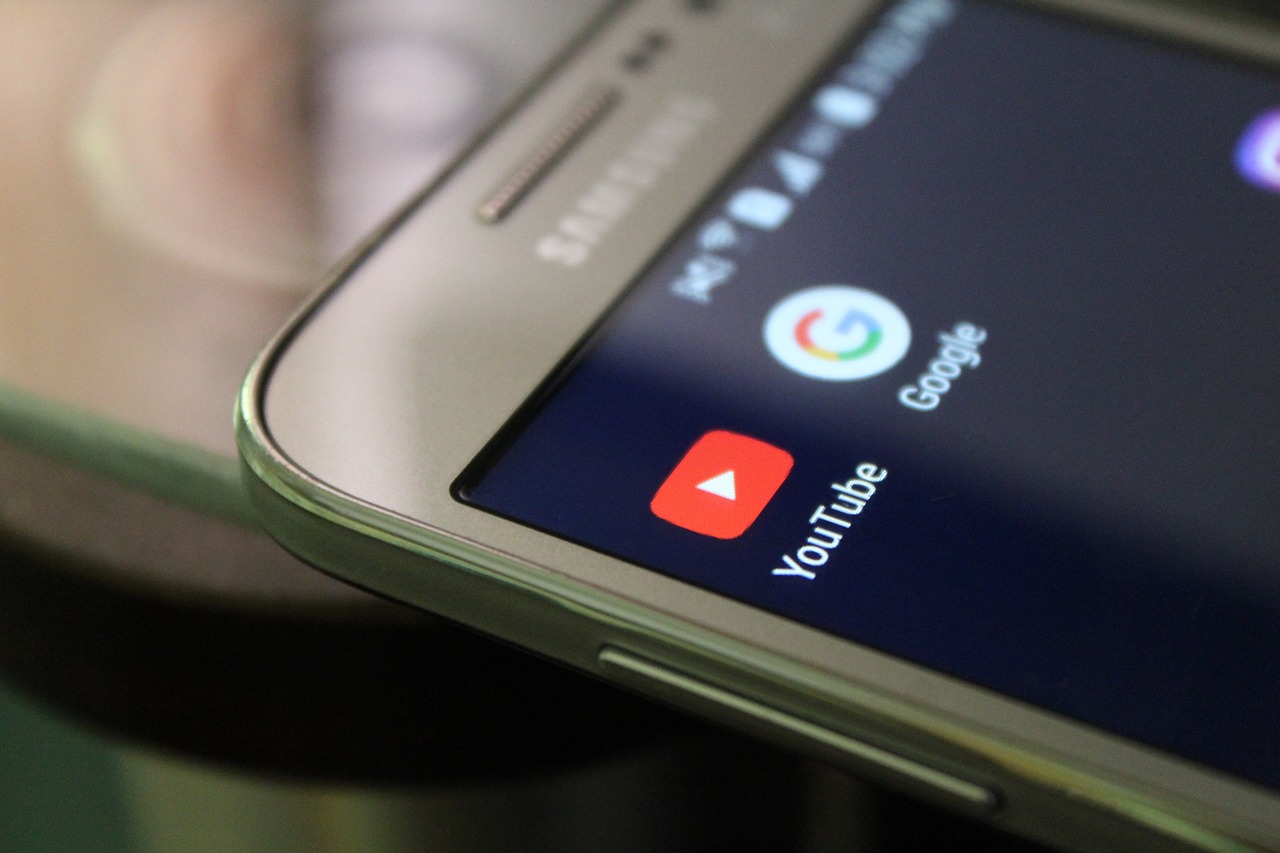

Google’s Acquisition of YouTube: How It Transformed Online Video
In November 2006, Google announced its acquisition of YouTube for $1.65 billion in stock, a move that would redefine online video considerably. At that time, YouTube was relatively new, created in February 2005 and had quickly gained popularity, attracting millions of users. Google recognized the potential this platform had for engaging users and driving traffic. The acquisition marked a pivotal moment in the evolution of digital content consumption, shaping how video would be integrated into daily life and marketing strategies. Google aimed to leverage YouTube’s vast library of user-generated content while strengthening its advertising capabilities through YouTube’s appealing reach. Appropriately leveraging this video content thus became essential to Google’s ongoing business strategy. Critics questioned the purchase price, yet Google was sure its investment in video would pay off as trends indicated an increasing appetite for video content on the internet. The strategic decision underpinning this acquisition initiated significant changes in the digital landscape, leading to innovations that would have lasting effects in various industries.
This acquisition allowed Google to enhance its advertising platform through YouTube’s existing revenue system. Initially, YouTube offered a simple advertising model through ads placed before or during videos. Google utilized its existing AdWords technology to optimize ad placement and targeting more effectively. Advertisers benefited from analytics, allowing them to see how their ads performed while users enjoyed more personalized content. This move meant that advertisers began viewing video as a critical component in their marketing strategies. Google’s integration of YouTube also encouraged content creators to monetize their videos through ad revenue sharing, resulting in an explosion of engaged users and an influx of quality content. YouTube’s growth in creators resulted in diverse content appealing to various audiences, transforming it into one of the most visited websites globally. In the wake of the acquisition, Google’s vision for an expansive online video ecosystem became feasible. Such evolution connected businesses and creators through a platform where video content truly thrived, reshaping how digital advertising and content distribution occurred in an increasingly video-driven world.
YouTube’s Structural Evolution and Features
After the acquisition, YouTube underwent numerous structural transformations that helped it to maintain user engagement. Features like live streaming, 4K video uploads, and video sharing were enhanced, leading to robust community building within the platform. Google placed a strong emphasis on user experience, ensuring smooth access across various devices, including smartphones, tablets, and computers. The mobile, internet-enabled landscape was rapidly changing, and YouTube’s ability to adapt became crucial. Furthermore, the introduction of user-friendly features like playlists, subscriptions, and algorithm-driven recommendations kept viewers engaged longer and returning frequently. Users could easily find relevant content tailored to their interests as the recommendation algorithm evolved. Plugins and app collaborations also began expanding the site’s capabilities, inviting more interaction among users. These improvements reinforced YouTube’s position as a dominant player, creating a rich environment for content creators and consumers. All these changes resulted from Google’s intention to maximize YouTube’s market potential and create a standard for online video consumption that surpassed traditional media.
Monetization opportunities on YouTube flourished, granting creators a viable revenue stream. Google implemented various monetization methods, from ad placements to channel memberships. This shift transformed amateur creators into professional content producers, leading to the rise of influencer marketing. Brands observed the growing impact of content creators due to their genuine connections with audiences, thus leveraging sponsorships and collaborations to promote products more effectively. YouTube has evolved into a global marketplace for talent and creativity, leading to the emergence of influencers across various industries including beauty, gaming, and education. The platform served as a launchpad for countless individuals, facilitating diverse voices and narratives to gain visibility and success. Google’s commitment to fostering creative talent ensured that YouTube remained accessible to a wide variety of content creators, paving the way for increased competition and innovation. The influence extended beyond individual creators as traditional media outlets began incorporating video content into their strategies, signifying YouTube’s significant impact on the broader content landscape.
The Rise of YouTube’s Community and Culture
As YouTube evolved post-acquisition, a unique community culture began to form. The platform empowered both ordinary users and professional creators, leading to fierce loyalty among its audience. Different content genres drew in millions of viewers, creating niche communities engaged in topics ranging from cooking to technology reviews. Through comments, likes, and shares, users built connections that fostered a sense of belonging. Collaboration among creators became commonplace, further enriching the platform’s content offerings. Negative trends, like harassment and misinformation, started to challenge the community ethos, prompting YouTube to enhance content moderation. The introduction of guidelines aimed to create a safe space for creators and viewers alike without compromising creative freedom. As YouTube grew, it also served social movements, effectively becoming a platform for activism and awareness. The accessibility of the platform opened avenues for discussions around equality and important societal issues, all while continuing to entertain. Such developments reaffirmed YouTube’s role not just as an entertainment platform but also as an important cultural touchpoint in society.
YouTube’s algorithm became a focal point in the ongoing debate over content dissemination. In the early days, creators feared the unpredictability of algorithm updates, leading to fluctuation in views and advertising revenue. Google’s optimization efforts revealed the thin line between catering to viewer preferences and potentially limiting creative expression. Subsequent algorithm changes also prompted discourse around content visibility, emphasizing the importance of quality over quantity, even amongst challenges. YouTube became aware that promoting unpopular topics might deter engagement and result in revenue loss for creators. Consequently, discussions about creator accountability emerged, prompting the platform to provide insights and tools for better content performance. Amidst these challenges, YouTube cemented its position as a top video platform globally, thus remaining relevant amidst changing digital landscapes. The ongoing adaptations indicated YouTube’s persistent evolution in responding to user needs while maintaining the integrity and quality of content. This careful balance between creator interests and platform goals has shaped the overarching narrative of YouTube’s success since its acquisition.
Conclusion: YouTube’s Lasting Impact Post-Acquisition
The acquisition of YouTube by Google marked a transformative era in the online video space, unleashing creativity while fueling various industries. YouTube transitioned from an emerging platform to a cultural phenomenon, largely influenced by Google’s innovative approach to digital content. The merger became synonymous with entrepreneurship and authority for digital creators. Video cooperation allowed brands and businesses to flourish, catalyzing major shifts within traditional marketing strategies. Attention shifted toward video as the primary form of content, with long-lasting implications across multiple sectors. This approach also prompted existing media companies to adapt or collaborate with digital platforms. The ongoing innovations further emphasize the importance of video content in today’s digital landscape. YouTube’s success reflects its inherent adaptability and the way it resonates with both creators and consumers, making it a powerful contender in global media. As video consumption continues to grow, the impact of YouTube on how audiences connect and interact will undoubtedly shape the future of online content. Google’s acquisition was not merely a business move; it was a strategic foresight that changed the narrative of digital communication.
Ultimately, the story of Google’s acquisition of YouTube is not just about a deal; it’s emblematic of how innovation can shape entire industries. By embracing video as a core element of digital strategy, Google propelled YouTube into a new age of influence, enabling creators and brands to engage audiences like never before. The ability to connect directly with consumers through video content led to new marketing paradigms, reshaping dialogues around personalization and engagement. This acquisition has set a precedent for other tech giants, signaling the importance of diversification through digital platforms. Today, YouTube continues to grow and evolve, constantly adapting to meet the needs of its diverse user base. The platform remains a beacon of creativity where diverse content flourishes, echoing the transformative power of its acquisition. Looking forward, the implications of this deal reach far beyond the initial financial transaction, establishing a foundation for ongoing innovation in digital engagement and user interaction. Google and YouTube’s story emphasizes the importance of foresight, adaptability, and creativity in the realm of modern business and technology.