
How to Transition from a Secured to an Unsecured Credit Card
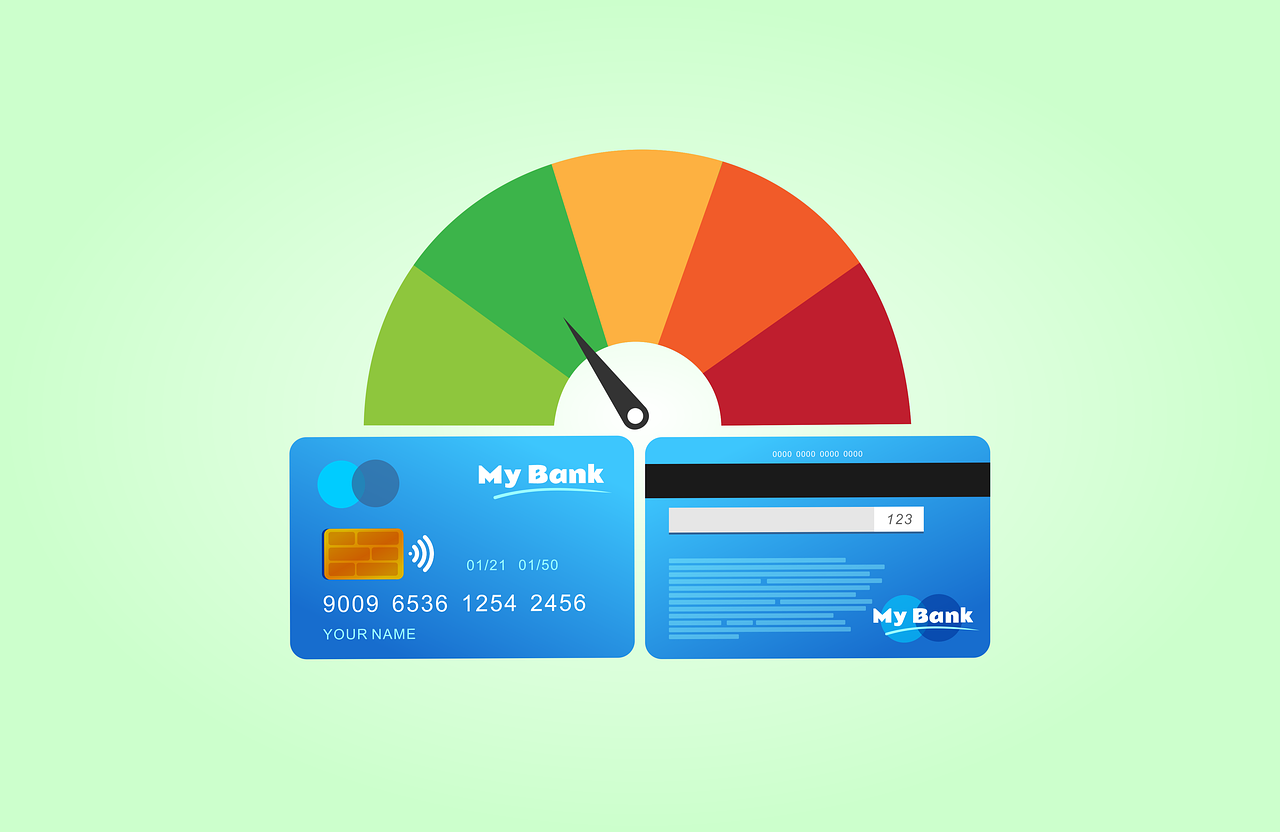
Transitioning from a secured to an unsecured credit card is a significant milestone in building your credit. It indicates that you’ve established responsible credit behavior and improved your credit score. To begin this process, it’s essential to understand the differences between secured and unsecured credit cards. A secured credit card typically requires a cash deposit that serves as your credit limit. Unsecured credit cards, on the other hand, do not require a deposit, making them more appealing. As you consider this transition, be sure to monitor your credit score closely. A score of 700 or higher is often considered good for unsecured credit approval. Keeping your credit utilization ratio below 30% also increases your chances. Additionally, timely payments and minimal debt contribute positively. Knowing your credit score can shape your confidence in applying for an unsecured card. Also, review your credit report for any inaccuracies. This review helps ensure there are no negative marks that might hinder your application. Ultimately, preparation is vital for a smooth transition.
Next, explore the various unsecured credit card options available to find one that aligns with your financial situation. Many banks and financial institutions offer different types of unsecured cards catering to various needs. Consider factors such as annual fees, interest rates, and rewards programs when making your choice. It’s beneficial to compare offers from multiple issuers to find the best terms. Additionally, read the fine print to understand any hidden fees or charges associated with the card. Some cards might have introductory offers, where you can earn rewards or bonuses for spending within a specified period. This can be advantageous if you plan to make significant purchases. To further enhance your chances of approval, maintain a steady income and demonstrate financial stability. Lenders appreciate applicants who manage their finances well. Keeping your credit accounts in good standing is essential, so if you have other lines of credit, ensure they’re also in good shape. Once you identify a suitable unsecured credit card, prepare to submit your application.
Preparing Your Application
When applying for an unsecured credit card, preparation is vital. Begin by gathering all the necessary documentation and information needed for your application. This generally includes your Social Security number, proof of income, employment details, and details about your existing debts. Having this information ready makes the application process smoother. Additionally, ensure your credit file is up-to-date and check for any inaccuracies or misleading information. If possible, clear any outstanding debts that may negatively impact your credit utilization rate. Pay off any small balances remaining on your secured card to demonstrate your commitment to responsible financial behavior. This can significantly boost your chances of approval for the unsecured card. If your credit score is lower than desired, consider taking some time to improve it before applying. This includes making on-time payments on all debts, reducing existing balances, and refraining from opening new credit lines. These steps can positively influence your creditworthiness, resulting in more favorable terms on your new card. Once you feel prepared, submit your application confidently.
After submitting your application for the unsecured card, there’s usually a waiting period for the approval process. This waiting period can be nerve-wracking, but it’s essential to remain patient. During this time, lenders assess your creditworthiness based on the information provided in your application. Sometimes, they may request additional information or documentation to verify your financial standing. If approved, you’ll receive details regarding your credit limit, interest rates, and any fees associated with the card. Ensure you read through this information carefully before activating and using your new card. In some cases, applications can be denied due to insufficient credit history or a low credit score. If this occurs, don’t be discouraged. Instead, take this opportunity to understand the reasons for the denial. Many issuers will provide feedback on why the application was not approved, allowing you to address these issues for future applications. Focusing on improving your credit health by following up on any targeted actions can help you secure a better outcome next time.
Utilizing Your Unsecured Credit Card
Once you receive your unsecured credit card, it’s crucial to manage it wisely to build a positive credit history. Start by using your new card responsibly and making timely payments to keep your credit score healthy. Aim to charge only what you can afford to pay off each month. This strategy will not only prevent accumulating high-interest debt but also demonstrate your reliability to the issuer. Additionally, set up reminders or automatic payments to ensure you never miss a due date. This habit fosters good credit management practices. It’s also essential to keep your credit utilization ratio low. Strive to use less than 30% of your credit limit each month, as higher utilization can negatively affect your credit score. Monitor your account statements regularly to spot any unauthorized transactions immediately. Staying informed about your spending can help you remain within your budget. Also, consider using your card for everyday purchases that you can easily pay off, such as groceries or gas. Building a strong positive history with your card will position you for better credit opportunities in the future.
As you acclimate to using your unsecured credit card, keep an eye on your credit score and financial habits. Regularly reviewing your credit report helps track your progress. In addition, it allows you to catch any errors that may affect your credit. Sources like AnnualCreditReport.com can provide you with free copies of your report once a year from each of the major credit bureaus. Understanding your score and how it is affected by your credit card usage is key to long-term financial health. Moreover, be aware that there might be credit limit increases offered after a few months of on-time payments. Accepting these increases can improve your credit utilization further, but be cautious and avoid overspending just because you have more credit available. Always prioritize your financial comfort over maintaining high limits. Consider learning about additional credit-building tools, such as personal loans or credit-builder loans, to further enhance your credit profile. Building your credit takes time and discipline, so be patient and persistent with your efforts.
Moving Forward
Throughout your journey, remember the value of financial education. Equip yourself with the knowledge needed to navigate the world of credit successfully. Enroll in workshops or seminars that focus on credit management, provided by local banks or non-profits. There are also numerous online resources and courses designed to enhance your understanding of credit and finance. Knowledge leads to better decision-making, ultimately aiding you in expanding your credit opportunities. Down the line, you may wish to explore higher-tier unsecured cards that offer more rewards, cash back, or lower interest rates. Establishing a solid credit history will make you eligible for these better options. Additionally, work toward a diversified credit portfolio by considering different types of credit accounts, such as installment loans or mortgages, which can further enhance your credit profile. Always approach new credit judiciously, ensuring you can manage the responsibility that comes with it. Keep focusing on improving your credit score and maintaining good habits to pave the way for better financial opportunities.
Ultimately, transitioning from a secured to an unsecured credit card can be a pivotal step in your financial journey. By understanding and following the steps outlined in this guide, you can ensure a smoother transition while strengthening your credit profile. Approach this exciting opportunity with confidence, knowing that each step you take contributes to a brighter financial future. Remember to utilize your card responsibly while keeping an eye on your credit score. Prioritize timely payments and a low credit utilization rate to foster good financial habits. Your experience with the unsecured card is an opportunity to demonstrate your strengths as a borrower. Celebrate small milestones along the way, as each one is a testament to your journey toward financial independence. Additionally, consider sharing your experiences with friends or family who may benefit from your insights. Empower others to take control of their financial health. With diligence and determination, you can create a positive credit history that opens doors to future possibilities. Commit to lifelong learning about finance, ensuring your ongoing success in managing credit effectively.