
Can Late Payments Lead to Account Default or Collections?
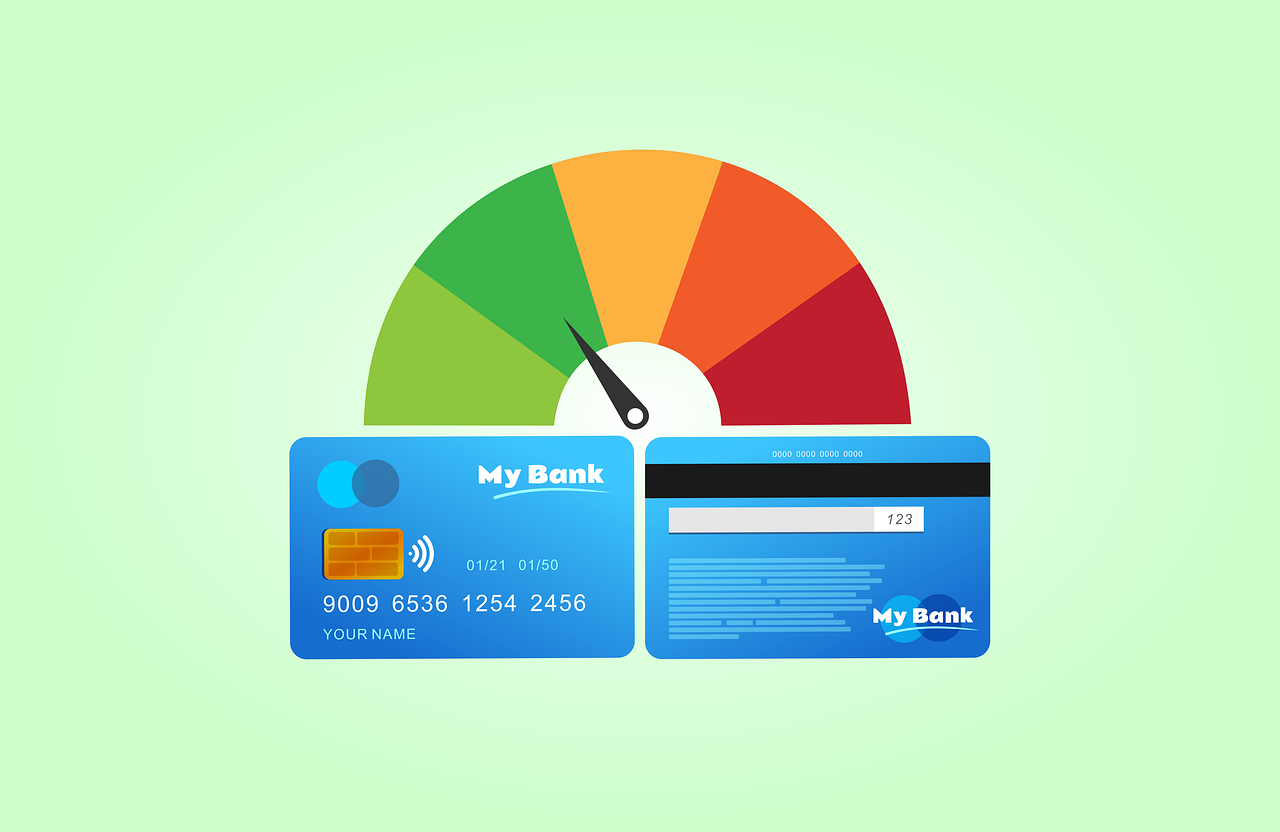
Understanding the implications of late payments on credit scores is vital for anyone managing their finances. When a payment is not made on time, the creditor typically records this incident, highlighting the potential negative impact on the borrower’s credit profile. Even a single late payment can lead to a noticeable decrease in the credit score, especially if it exceeds 30 days. Credit scores are crucial in determining creditworthiness; lower scores can lead to higher interest rates on loans. Over time, repeated late payments can accumulate, making it more challenging for individuals to obtain favorable loans or credit options. Moreover, late payments may trigger penalties from lenders, increasing the overall debt burden. Credit bureaus might also notify other financial institutions, worsening the individual’s credit situation. Understanding how late payments influence credit scores can help borrowers navigate their financial responsibilities better. Being proactive can mitigate damage. Regularly reviewing credit reports can help identify discrepancies and resolve any issues before payments become late. Individuals should always prioritize on-time payments to avoid negative repercussions on their financial future.
Late payments can lead to severe consequences for an individual’s credit history. Credit scores are influenced by several key factors, with payment history being the most critical. A late payment stays on the credit report for up to seven years, affecting the score significantly during that time. When payments are missed, and the account becomes delinquent, it may eventually lead to charge-offs or collections processes. Charge-offs occur when a lender considers the debt unlikely to be collected. This situation further deteriorates creditworthiness and complicates future credit applications. Moreover, if the account is sent to collections, collectors may pursue payment through aggressive methods, affecting the borrower emotionally and financially. They can report the collections to credit agencies, which massively tarnishes the credit score. Borrowers often underestimate how quickly late payments can escalate into severe financial ramifications. Furthermore, individuals should know that repeated late payments can compound the negative impacts on their credit report. Establishing a habit of timely payments is essential to avoid entering such precarious situations, thus preserving credit integrity and eligibility for future loans.
The Path to Account Default
Account default can occur as a result of missed payments accumulating over time. When individuals fail to pay their debts on the scheduled due dates, creditors may classify the accounts as defaulted after a specified period, which varies by lender. This classification entails a significant drop in credit score, substantially impacting the borrower’s financial standing. A default can have lasting effects beyond credit scores, including difficulties in securing employment, as some employers check credit histories. Late payments, if not rectified promptly, can lead to legal measures by creditors seeking to recover owed funds. Many individuals find it challenging to get credit thereafter due to the negative default on their credit report. Borrowers with a higher number of missed payments stand a greater chance of default. Maintaining open communication with creditors could provide options for debt relief or restructuring payment timelines to avoid further financial distress. Seeking financial counseling might also help individuals understand the repercussions of their late payments and default risk. Thus, being proactive in managing payments can help avoid many of these pitfalls.
Collections Process and Consequences
When an account goes into collections, it means the original creditor has decided to pass the debt onto a third-party collection agency. This transition typically occurs after several months of missed payments. The collections process involves rigorous efforts to recover the due amount, including continuous contact attempts. Such methods can often lead to harassment and a barrage of phone calls, adding stress to individuals already experiencing financial difficulties. Credit scores suffer immensely as collection accounts appear after notice, generally reducing the score by several points. Furthermore, collection accounts can remain on a consumer’s credit report for seven years from the date of the first missed payment. This timeframe can hinder individuals from acquiring credit in the future, as lenders view collectors as high-risk. To avoid reaching this stage, individuals should take their debts seriously and prioritize communication with creditors if payment difficulties arise. Financial education and awareness can fundamentally influence someone’s ability to manage their debts effectively and maintain a positive credit score.
The effects of late payments are not only limited to the individual borrower but can extend to potential co-signers or partners as well. When a loved one agrees to co-sign a loan, they partly assume responsibility for the debt. Hence, if one party commits to timely payments, it reflects on both their and their co-signer’s credit scores. A late payment by the primary borrower can negatively impact the co-signer’s credit rating. This situation can strain relationships, as interdependence in financial responsibilities often leads to conflict. To mitigate such issues, individuals should maintain transparent communications regarding financial decisions, especially when co-signing agreements. Regular discussions about payments can foster accountability and collaboration in ensuring timely payment schedules. Awareness of how late payments affect all connected parties can lead to proactive measures being taken, preventing potential conflicts and fostering a supportive financial environment. Ultimately, prioritizing consistent payments ensures no surprise charges or defaults disrupt relationships and maintain both parties’ financial well-being.
Restoring Your Credit After Late Payments
After experiencing late payments and their repercussions, individuals might wonder how they can restore their credit scores. Recovery involves several proactive steps, the first being tracking credit reports for accuracy. Any errors related to late payments can be disputed and potentially removed. Furthermore, borrowers should commit to a consistent payment schedule going forward. Setting up reminders or automatic payments can significantly reduce the risk of future delinquencies. Additionally, establishing an emergency fund to manage unforeseen expenses can prevent future late payments. Engaging in credit educational programs can also help individuals understand their credit situations better and learn effective management techniques. Credit rebuilding takes time but is completely achievable. It involves patience, dedication to on-time payments, and maintaining a low credit utilization ratio. Regularly reviewing financial commitments and developing a robust budgeting strategy can also bolster efforts toward credit restoration. Ultimately, individuals who take deliberate steps to address past late payments can regain their creditworthiness, thereby increasing access to credit opportunities and better financial products in the future.
Moreover, the emotional impact of late payments cannot be understated. Stress associated with financial strain often leads to anxiety and overwhelming feelings regarding future repayment capabilities. Personal relationships can also suffer, as discussions around finances can become contentious. Understanding how to manage debts efficiently is essential to alleviating these emotional burdens. Seeking assistance from financial advisors or credit counselors allows individuals to gain new perspectives on their financial affairs, thus mitigating stress. Professional help can provide tailored solutions for debt management, creating actionable strategies to balance payment obligations. Engaging with support networks, including friends or family, can further provide emotional support during difficult times. Emphasizing self-care and managing the emotional ramifications of financial strain is just as crucial as taking practical steps towards financial recovery, as mental well-being significantly influences decision-making abilities. Ultimately, addressing the holistic approach to financial management encourages a healthy mindset alongside responsible financial behaviors.
In conclusion, the impacts of late payments go far beyond a mere score drop; they can transition from missed payments to defaults or collections, leading to prolonged financial repercussions. Individuals must educate themselves about the critical nature of maintaining timely payments and communicate openly with lenders. Engaging proactively in one’s financial matters can help navigate credit challenges effectively, preventing pathways that lead to detrimental defaults. Awareness and management of credit scores should be an ongoing endeavor. Taking continuous actions can mitigate possible damage while fostering stronger financial health overall. Connecting late payments to overarching consequences emphasizes the importance of developing sustainable financial habits. Prioritizing on-time payments, budgeting monthly expenses, and seeking guidance when needed fosters a responsible approach towards credit management.