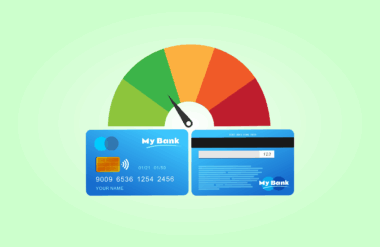

Credit Limit Setting Strategies for Small and Medium Enterprises
Small and medium enterprises (SMEs) need effective credit management strategies to minimize risks while promoting sales. One critical aspect is determining an appropriate credit limit for customers. Factors influencing this decision include the customer’s credit history, payment patterns, and financial stability. SMEs must assess the potential risks and rewards associated with extending credit to customers. Understanding industry benchmarks is also essential. Comparing with competitors helps to ascertain appropriate credit limits based on market dynamics. Moreover, businesses should establish criteria for reviewing limits periodically. Such criteria must consider changes in the customer’s financial situation, economic trends, and internal business needs. Effective communication with customers about their credit limits fosters transparency and trust, enhancing the business relationship. Furthermore, employing technology to track and analyze customer payment behavior optimizes the decision-making process. Implementing automated systems can streamline the review process and provide real-time insights. By leveraging data analytics, businesses can predict potential defaults and adjust credit limits accordingly. Regular reviews ensure that credit limits align with both the business’s financial health and customer capabilities. This strategic approach ultimately promotes financial stability and supports sustainable business growth for SMEs.
Another important aspect of credit limit setting involves utilizing various methodologies to assess risk effectively. One commonly used method is the credit scoring system. This quantitative approach evaluates applicants based on several financial factors, such as payment history, loan balances, and available credit. Additionally, SMEs can use customized scoring models tailored to their specific industry and customer base. Implementing a tiered credit limit structure can be beneficial as well. This system categorizes customers by risk level, allowing for differentiated credit limits based on observed behavior. Customers with established positive track records may qualify for higher limits, while new or risky clients receive lower thresholds. Utilizing external credit reports and data can further enhance credit evaluations. Organizations like Dun & Bradstreet provide valuable insights into business credit profiles. Partnering with credit assessment agencies allows SMEs to validate customer information, mitigating potential losses. Furthermore, companies should offer incentives for prompt payments. Discounts or loyalty rewards encourage timely settlement of invoices, fostering a healthy cash flow. By balancing credit limits with incentive schemes, businesses cultivate responsible borrowing practices among their customers, ultimately sustaining growth while managing credit risk effectively.
Monitoring Credit Limits and Adjustments
Once credit limits are established, continuous monitoring is essential for maintaining financial stability. Regular assessments allow SMEs to adjust limits based on changing circumstances. Frequent reviews can identify early warning signs, such as increased payment delays, signaling potential credit risks. Maintaining a proactive approach is crucial in today’s fast-paced business environment. Companies should implement a systematic review schedule—monthly, quarterly, or bi-annually—to re-evaluate credit limits in light of the most recent data and customer behavior. In addition, understanding external economic factors, like market fluctuations, can influence credit decisions. For example, during economic downturns, more conservative credit policies might be necessary. Alternatively, heightened customer demand during peak seasons may present opportunities to increase credit lines. Collaboration with finance teams ensures access to relevant data, supporting informed adjustments. Furthermore, involving sales teams in discussions surrounding credit limits allows insights from customer interactions to inform decisions. Employing a cross-functional approach provides a comprehensive view of customer relationships and financial realities. Through diligent monitoring and timely adjustments, SMEs can ensure that their credit strategies remain aligned with overall business objectives and customer needs.
Implementing technology can significantly enhance the efficiency of credit limit management. Digital tools and software solutions enable organizations to automate credit evaluations and streamline approval processes. By utilizing customer relationship management (CRM) systems integrated with financial software, businesses can access comprehensive customer profiles and payment histories. These platforms can generate dynamic reports that alert decision-makers of anomalies or patterns requiring attention. Real-time data enables organizations to make informed decisions promptly. Moreover, employing artificial intelligence (AI) and machine learning can enhance predictive analytics capabilities. By analyzing vast amounts of data, AI tools can identify risk factors with greater accuracy and reduce reliance on manual assessments. The benefits of implementing such technological solutions extend to customer experiences as well. Quick credit approvals lead to enhanced customer satisfaction and increased loyalty. This ultimately supports a healthier cash flow, mitigating the risks associated with credit sales. Continuous improvement in technology also enables organizations to adopt best practices in credit management. Training staff to leverage these tools effectively ensures sustained success. By embracing innovation, SMEs position themselves to adapt to evolving market demands, secure customer relationships, and strengthen their financial footing.
Establishing Clear Payment Terms
Alongside setting credit limits, establishing clear payment terms is vital for maintaining a good credit management strategy. Clear terms help prevent misunderstandings while protecting both the company and its customers. SMEs should define payment timelines, penalties for late payments, and available discounts for early settlements. Customers appreciating transparency in agreements are more likely to fulfill their obligations timely. Clear communication around payment terms should be included in contracts and sales agreements. Ensuring customers are aware of policies helps build trust, fostering long-term relationships. Furthermore, businesses should consider offering flexible payment options. This flexibility can accommodate diverse customer needs and enhance customer satisfaction. Payment plans, installment options, or discounts for bulk purchases can ease financial strains for customers and drive sales. However, with flexibility comes the need for strict monitoring of compliance with payment terms. Employing reminders and follow-ups can cultivate a culture of accountability among clients. Moreover, integrating payment options into digital platforms simplifies the payment process for customers, promoting on-time payments. By aligning payment terms with customer expectations and enhanced processes, SMEs can create a robust credit management framework supporting growth.
Customer segmentation plays a crucial role in effective credit limit setting. Businesses must classify customers based on various criteria, including creditworthiness, purchasing history, and payment behavior. Segmentation allows companies to tailor credit limits to align with risk profiles. High-risk customers may face lower credit limits, while reliable clients can receive more favorable conditions. Additionally, adopting a personalized approach elevates customer engagement. Understanding the needs of different customer segments facilitates the provision of customized solutions. This can foster loyalty and improve overall payment performance. Furthermore, businesses can utilize predictive analytics to identify emerging trends in customer behavior. Such insights can lead to proactive adjustments in credit limits to avert potential risks or seize new opportunities. Regularly revisiting customer classifications ensures that credit policies remain relevant amidst changing circumstances. Additionally, SMEs can leverage feedback from sales representatives who interact directly with customers, providing valuable insights to refine segmentation strategies. By deploying systematic customer segmentation methodologies, SMEs can enhance credit limit setting processes, ensuring that business growth ambitions are complemented by effective risk management strategies.
Conclusion
In conclusion, successful credit limit setting for small and medium enterprises hinges on a multifaceted strategy. Businesses must assess customer creditworthiness, employ technology, and establish clear payment terms and monitoring systems. Regular reviews and adjustments ensure that credit limits align with evolving customer needs and market conditions. By implementing customer segmentation techniques, SMEs can customize credit approaches that mitigate risks while promoting strong customer relationships. Furthermore, offering incentives for timely payments cultivates a culture of responsibility amongst clients, supporting sustainable financial practices. Emphasizing technology enhances decision-making efficiency and accuracy, reducing manual errors in credit evaluations. Through a collaborative approach involving finance and sales teams, businesses can create a comprehensive credit management strategy that supports long-term growth and stability. The ultimate goal is to promote responsible borrowing while maintaining a healthy cash flow. As SMEs navigate the complexities of credit management, prioritizing these strategies will enhance their resilience and adaptability in competitive environments. It empowers them to thrive while balancing risk and opportunity effectively in the ever-changing marketplace.