
Credit Risk Segmentation in Digital Lending Platforms
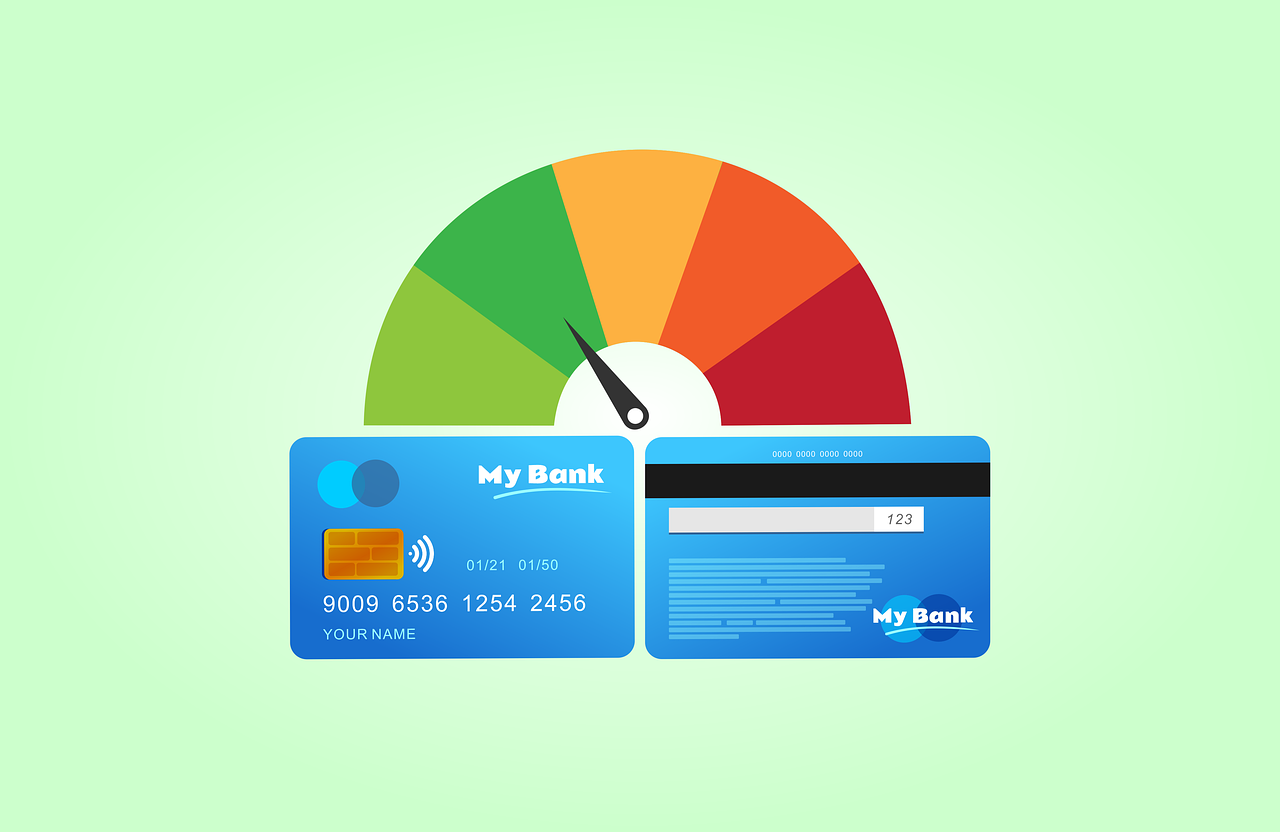
Analyzing credit risk segmentation involves differentiating various customer segments based on their creditworthiness in digital lending environments. For lending platforms, assessing customers accurately is crucial to minimize credit losses. By employing advanced data analytics, lenders can segment customers into different categories tailored to their financial behaviors. This segmentation process aids in designing personalized lending strategies and risk assessment methods. Key data points utilized in segmentation include credit scores, payment history, income levels, and financial stability. Incorporating these parameters enhances the precision of risk evaluation techniques. Lenders can optimize their loan offerings, ensuring they are appropriate for each customer segment. Besides that, segmenting customers by their propensity to default allows lenders to set appropriate interest rates and lending limits. Utilizing machine learning algorithms and artificial intelligence can automate this segmentation process more efficiently. Furthermore, digital platforms can leverage real-time data to update customer segments dynamically. This dynamic approach ensures lenders are adapting to changing market conditions and individual financial situations. In conclusion, credit risk segmentation represents a fundamental strategy in digital lending to address risk effectively and improve overall lending efficiency.
Effective segmentation inherently reduces the risk involved in lending activities. Reasonable risk assessments play a pivotal role in enhancing profitability for businesses. Credit scoring models provide a quantitative way to evaluate potential borrowers based on historical data, significantly influencing lending decisions. The more accurately lenders can assess borrowers, the lower their loan default rates will tend to be. Segmenting customers helps lenders identify high-risk applicants, who may require additional scrutiny before loan approval. Additionally, this approach allows for the implementation of customized lending solutions that cater to various customer needs and profiles. For instance, younger customers may have unique financial challenges compared to established professionals. By segmenting these groups distinctly, lenders can better analyze their lending practices, adjusting their strategies accordingly. Moreover, behavioral segmentation based on how customers use credit can improve customer relationships and retention. Providing tailored payment plans and more engaging customer care can result in better repayment performance. Understanding borrower behavior can lead to developing secure lending environments and customer loyalty programs. Overall, lenders must continuously evolve their segmentation strategies to remain competitive and responsive to market trends and customer expectations.
The Role of Technology in Customer Segmentation
Technology plays a vital role in enhancing customer segmentation accuracy in digital lending. Analytical tools powered by artificial intelligence and machine learning allow lenders to process vast amounts of data effectively. These advanced systems can quickly identify patterns that human analysts might overlook, thereby enabling better risk assessment. For instance, lenders can use predictive analysis techniques that assess credit behavior and forecast potential borrowing risks based on various metrics. Additionally, incorporating customer relationship management software can help track interactions and customer feedback more efficiently. This integration aids in further refining segmentation categories over time. By analyzing ongoing engagements, lenders can identify changing consumer behaviors, allowing for timely adjustments to credit offerings. Mobile applications also provide valuable insights, giving a clearer view of desirable loan products based on user engagement and preferences. Furthermore, data visualization tools can synthesize complex data sets for easy interpretation and decision-making. As a result, lenders can focus their efforts on high-value customer segments, increasing conversion rates and fostering long-term relationships. Ultimately, technology empowers lenders in executing precise customer segmentation strategies that align with their financial objectives.
In-depth segmentation analyzes customers based on behavioral patterns and attitudes toward credit. Behavioral segmentation helps lenders identify motivations influencing borrowing habits, such as a person’s spending behavior or responsiveness to promotions. Lenders can personalize offers that resonate with specific customer segments by understanding these factors. For instance, targeting consumers interested in flexible payment options with tailored messaging can enhance engagement. Additionally, distinguishing between customers who occasionally utilize credit versus those who frequently do can provide insights into their unique credit needs. Such detailed profiling can lead to improved credit strategies that effectively cater to emerging consumer trends. Customers seeking products aligning with their lifestyles and habits are more likely to accept loan offers. With the continuous evolution of economic landscapes, lenders must adapt their segmentation strategies to meet new challenges and opportunities within different demographics. Ensuring adaptability in marketing approaches can significantly impact the long-term success of credit offerings. Furthermore, tracking and adjusting strategies based on real-time data feedback enhances lender responsiveness to changing consumer preferences. In light of increased competition, refining these custom strategies can prove advantageous for retaining clients and establishing market presence.
Evaluating Credit Risk Models
Evaluating credit risk models is essential to ensure their effectiveness in digital lending environments. Lenders must implement robust frameworks to assess the accuracy and reliability of their credit risk assessments continuously. These evaluations should include analyzing model performance against actual default rates over time. Employing back-testing techniques can help validate the performance of credit scoring algorithms, ensuring they yield trustworthy predictions. Moreover, segmenting the test population into various categories allows lenders to evaluate how well each model performs across diverse customer groups. By understanding the strengths and weaknesses of each risk model, lenders can optimize their decision-making processes accordingly. Furthermore, integrating feedback loops into the evaluation process streamlines ongoing improvements to credit risk models. Continuous monitoring of market conditions and borrower behaviors can keep risk models relevant and aligned with emerging trends. Additionally, lender collaboration with external data sources can enhance model accuracy by incorporating a broader range of insights. Ultimately, rigorous evaluation of credit risk models empowers lenders to minimize risks associated with defaulting borrowers, leading to healthier portfolios and more sustainable lending practices.
Financial literacy among borrowers plays a significant role in credit risk segmentation. Educated customers tend to make better financial decisions, which corresponds to lower default rates. Lenders must consider the financial understanding of their customer base when segmenting their profiles. By providing educational resources, lenders can improve the financial literacy of their clients, thereby enhancing repayment performance. Initiatives such as webinars, articles, and accessible resources on credit products can empower customers to utilize credit effectively. Furthermore, incentivizing financial education through better loan offerings encourages clients to engage actively with their financial products. This strategy can create a win-win scenario where customers gain valuable knowledge while lenders experience improved repayment rates. It’s crucial for lending platforms to develop educational materials catering to diverse customer segments, ensuring accessibility to critical financial information. Additionally, segmenting based on financial literacy levels can enhance product targeting, allowing lenders to promote appropriate credit products. A tech-savvy customer group may respond well to digital tutorials, while another demographic may prefer face-to-face workshops. Overall, fostering financial literacy enables lenders to cultivate responsible borrowing practices among clients, improving their lending ecosystem sustainably.
Future Trends in Credit Risk Segmentation
As the financial landscape evolves, emerging trends in credit risk segmentation will reshape digital lending strategies. Increasingly, lenders are expected to leverage advanced data analytics and artificial intelligence to refine their customer segmentation processes. One notable trend is the rising importance of alternative data sources, which provide insights into customer behavior beyond traditional credit information. These alternative data points, which include social media activity, utility payment histories, and transaction patterns, can offer a more comprehensive view of a borrower’s creditworthiness. Additionally, real-time data processing will enable lenders to implement dynamic segmentations that adapt to ongoing changes in a customer’s financial situation, ensuring timely and relevant lending opportunities. Another significant shift involves personalization on an unprecedented level. As lending platforms strive to provide tailored solutions, understanding customer needs will be vital. This will involve numerous factors, such as lifestyle, values, and even micro-segmentation based on niche interests. Moreover, ethical lending practices will emerge as a priority for customers, creating a demand for transparency in credit risk assessments. Overall, these trends will prompt lending institutions to embrace innovation, ensuring they remain competitive and aligned with consumer expectations.
In conclusion, credit risk segmentation is paramount in navigating the challenging digital lending landscape. By understanding diverse customer needs through effective segmentation, lenders can optimize their lending strategies and mitigate risks associated with borrowing. The integration of technology into segmentation processes will amplify operational efficiency while enhancing accuracy in risk assessment. Embracing these methodologies leads to more customized lending solutions, ensuring that financial products align with the evolving demands of consumers. Additionally, as data-driven decision-making continues to gain traction, lenders will need to refine and validate their risk models continuously. This iterative process builds a resilient lending environment that can withstand market fluctuations and foster growth. Furthermore, encouraging financial literacy will cultivate responsible borrowing habits among customers, resulting in improved repayment rates and stronger lender-client relationships. As the credit landscape continues to adapt, conference combined with technological advancements will provide invaluable insights into emerging trends and innovative credit solutions. Moving forward, lenders must prioritize adaptability, collaboration, and customer engagement to navigate the complexities of credit risk segmentation efficiently. Ultimately, the goal remains clear: fostering a sustainable lending ecosystem that benefits both lenders and borrowers alike.