
The Difference Between Credit Scores and Credit Reports in Monitoring
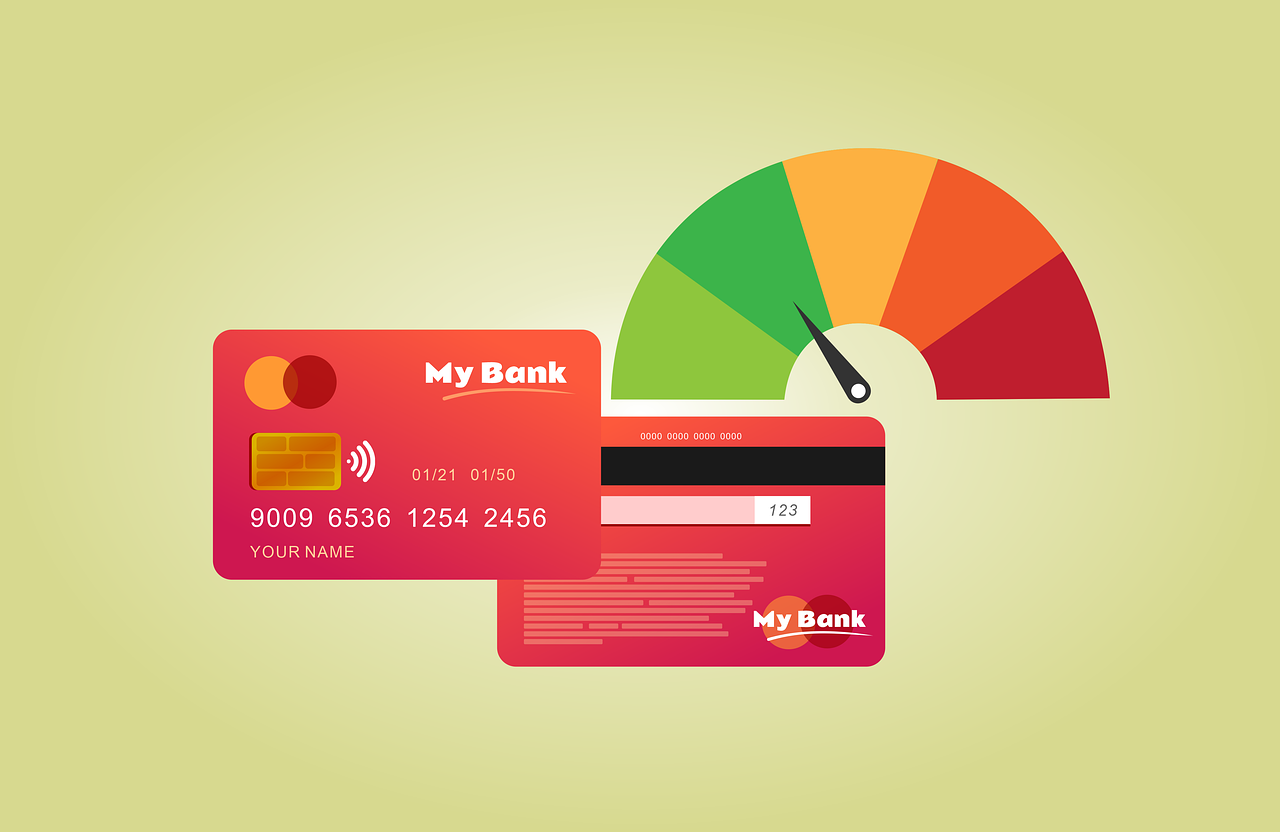
Understanding the distinction between credit scores and credit reports is crucial when engaging with credit monitoring services. Credit scores offer a numerical representation of your creditworthiness, impacting your ability to secure loans or credit. They derive from your credit reports, which chronicle your financial history, including payment behaviors and outstanding debts. Monitoring services utilize both elements to provide deeper insights into your financial health. Having access to credit scores helps you gauge your credit risks quickly, while detailed reports shed light on the factors influencing those scores. By understanding your scores and reports, you can make informed decisions about your finances. Regularly checking these elements can prevent surprises when applying for credit. It’s beneficial to recognize how monitoring services interpret these metrics and utilize them to serve your financial goals better. Additionally, armed with this knowledge, you can dispute inaccuracies on your reports promptly. Engaging with credit monitoring services effectively increases your financial literacy and builds a stronger foundation towards maintaining a positive credit history. Understanding these tools is vital for navigating your financial journey successfully, enabling proactive steps towards improving your credit risks.
Many consumers often confuse credit scores with credit reports, which is understandable considering they are interconnected. A credit score reflects your credit behavior and is typically calculated using data found in your credit report. The exact formula for calculating scores is proprietary and may vary between scoring models. In contrast, a credit report provides comprehensive historical data, including credit inquiries and public records. Most monitoring services offer both tools, which allow clients to analyze any potential issues systematically. As you review your credit reports, pay close attention to items such as payment history, amount owed, and credit utilization. Each of these factors plays a critical role in shaping your overall score. Companies that track these metrics can identify trends that positively or negatively affect your credit ratings. Moreover, credit reports include details from various lenders, dating back several years, providing a complete picture of your financial activity. As a result, the significance of staying vigilant about both aspects should not be underestimated. Monitoring both scores and reports allows consumers to develop a comprehensive understanding of their credit situation, leading to better financial decision-making.
The Importance of Regular Monitoring
Regular monitoring of your credit score and report provides significant advantages for individuals. Timely detection of inaccuracies or fraudulent activities can save you from potential financial embarrassment. Monitoring services often offer real-time alerts that notify you of fluctuations in your scores or updates on your reports. This proactive approach allows you to address discrepancies swiftly before they deteriorate your financial image. Furthermore, the awareness cultivated by careful observation enables better planning for future credit needs. If you intend to apply for a major loan, for instance, knowing your credit standing in advance can guide preparations and improve your chances. Many monitoring services also provide educational resources to help users interpret their credit reports more thoroughly. By understanding how various activities affect your creditworthiness, you can make adjusts to improve your scores over time. Additionally, regular monitoring can enhance your financial discipline and foster healthier credit habits. For instance, knowing that outstanding debts can diminish your score encourages timely payments. Overall, taking advantage of these services is essential in safeguarding and enhancing your financial future.
Credit reports and scores undergo regular fluctuations, making keeping track of them essential. The reasons behind these changes can be varied, including missed payments or new credit accounts appearing. Using credit monitoring services can help manage these shifts effectively. Monthly subscriptions provide insights into your financial trajectory, allowing users to evaluate their spending and payment patterns over time. Furthermore, these tools often come equipped with personalized tips to elevate your scores and maintain accuracy in your reports. Maintaining constant awareness of your credit scores and reports can also empower you to make smarter financial choices. You may discover patterns that lead to unforeseen debts or realize how closing an old credit card can impact your overall score. Many people find themselves negotiating better loan terms by understanding their comprehensive credit reports. With this information, they are prepared to counter lender offers effectively. Thus, your credit score is a living entity influenced by your financial decisions and behaviors. Using monitoring services amplifies your control over this process and ultimately reinforces your credit health. Regular assessments foster a proactive mindset toward credit management.
How to Choose a Credit Monitoring Service
When searching for a credit monitoring service, it’s essential to analyze several key features. Not all monitoring services offer the same tools or levels of support, making thorough research necessary. First, consider whether the service covers both credit scores and reports, as having access to both is crucial. Additionally, look into the frequency with which your credit data is updated. Services that offer real-time reporting will provide more timely notifications about changes. The reputation of the service provider also plays a significant role, so checking reviews and ratings can lend insight into customer satisfaction and effectiveness. It is enhanced if the service offers credit education or actionable tips to help improve your credit score. Another feature to explore is whether the service provides alerts for suspicious activity, signaling potential fraud. Compare pricing options, as some services may offer free basic plans, while more comprehensive options could incur monthly fees. Finally, examine the user interface and ease of access to your reports and scores. A straightforward layout simplifies monitoring and makes tracking progress enjoyable, ultimately fostering a better understanding of one’s financial health.
In addition to identifying the right monitoring services, users must understand how to interpret their credit scores and reports effectively. Credit scoring models yield varying results based on the factors they prioritize. For instance, some emphasize payment history more heavily than others, meaning timely payments become significantly impactful for your credit score. Once you’ve obtained both elements from your monitoring service, focus on the report’s most critical aspects one at a time. Examine late payments, the number of active accounts, and recently opened accounts that may influence your scores negatively. Moreover, if you observe a score dip, refer to your report to identify possible causes. Sometimes, uncomplicated errors may exist. If that is the case, disputing inaccuracies becomes crucial for maintaining your score. Equally, on-time payment habits directly affect your scores favorably. Over time, tracking these changes enables users to implement financial strategies that yield better credit health. Simple lifestyle changes, such as reducing credit usage or paying bills promptly, can result in notable score improvements. Therefore, engaging actively with credit scores and reports ultimately empowers consumers to take charge of their financial wellness.
Conclusion and Key Takeaways
In summary, understanding the differences between credit scores and credit reports in the context of monitoring is vital. Both elements provide essential insights into your financial health and help you navigate the lending landscape. Utilizing monitoring services to keep up-to-date with these resources can significantly improve your financial literacy. Regularly reviewing your credit reports allows you to identify and rectify issues promptly, while understanding credit scores equips you with knowledge for decision-making. Notably, the proactive approach to monitoring fosters a positive financial future. By guarding against inaccuracies and protecting against fraud, you cultivate a sustainable credit profile. Furthermore, frequent interaction with these elements teaches valuable lessons about maintaining favorable credit practices. Seek out reliable monitoring services that offer comprehensive features and support. Ultimately, prioritizing your credit health should be an ongoing endeavor rather than a one-off assessment. This ensures you remain prepared and aware of your financial standing at all times. Learning how to effectively leverage credit monitoring will enable you to master your finances and achieve your long-term financial objectives more seamlessly.
Remember, the journey towards improving your credit situation is a gradual process that requires patience and diligence. It is perfectly acceptable to seek professional advice if you’re unsure about how to approach your credit monitoring needs effectively.