
Avoiding the Trap of Chasing Market Hype
The stock market is highly dynamic, often influenced by news, trends, and collective sentiments of investors. One of the most significant mistakes traders make is chasing market hype without a deeper analysis of fundamentals. This reactionary behavior can lead to purchasing stocks at inflated prices, exposing traders to unnecessary risks. It is imperative to conduct thorough research and assess the intrinsic value of the stock before making decisions. Making choices based purely on rumors or social media trends can result in severe financial losses. To navigate these turbulent waters more effectively, traders must develop a disciplined strategy, focusing on clear criteria for both buying and selling. This includes setting stop-loss orders to limit potential losses and utilizing a diversified portfolio to mitigate risk. Moreover, educating oneself on market indicators and economic performance can aid in making more informed decisions instead of following the crowd blindly. Stay clear of the herd mentality and maintain a rational approach to trading, prioritizing long-term gains over immediate, impulsive actions.
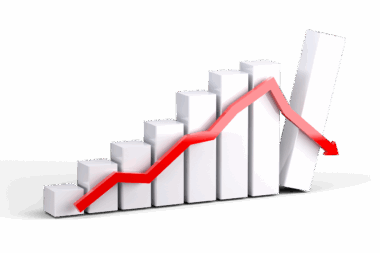
Understanding the consequences of market hype is essential for any trader. Quite often, stocks surge dramatically due to hype, followed by significant corrections that can wipe out profits quickly. Understanding that the stock price buzz can be detached from company performance allows traders to make sounder decisions. A disciplined trader will acknowledge that some trends are merely temporary and not indicative of a company’s potential for long-term success. Identifying solid investment opportunities requires market research and analysis, which can involve financial ratios, earnings forecasts, and wider economic data. Keeping emotions at bay is crucial, as fear of missing out can compel investors to buy into overhyped stocks, unknowingly positioning themselves for future losses. Additionally, traders should rely on reliable news sources and analytic tools rather than social media chatter. By focusing on facts rather than speculation, investors can avoid significant pitfalls associated with hype. Overall, controlling emotional responses and sticking to a well-thought-out trading strategy is key to avoiding the trap of chasing misleading market signals that often lead to poor financial outcomes.
Beware of the Media Influence
Media plays a colossal role in shaping public perceptions about the stock market. News headlines often create an illusion around certain stocks that may not reflect reality, misleading traders into believing that immediate action is necessary. This urgency is a trap, leading traders to make impulsive decisions based on sensationalized information. Therefore, it is critical to approach stories about big stock movements with a healthy dose of skepticism. Checking multiple credible sources before acting on the news can shield investors from baseless hype. Furthermore, traders should also keep abreast of economic indicators and earnings reports that provide tangible evaluations of a company’s performance. By prioritizing fundamental data over inflammatory news articles, investors can make calls that are grounded in fact rather than fiction. This critical examination of news can mean the difference between a successful investment and a significant loss. Therefore, always take the time to analyze the consequences of the information received from the media before making investment decisions based solely on trending topics.
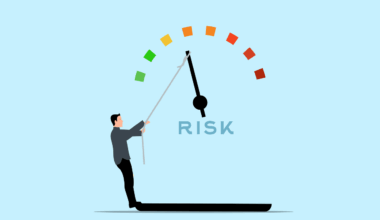
Additionally, understanding your risk appetite can help you avoid being swayed by market hype. Each investor has different levels of risk tolerance based on personal financial situations, commitments, and goals. It’s essential to tailor your investments according to your risk profile rather than societal trends. Those who are risk-averse should be less inclined to invest based on trends and more focused on stability and dividends. Conversely, aggressive investors might tolerate the inevitable volatility that comes with following hype, but they must also prepare for the consequences. Adopting sound risk management techniques like limiting capital exposure and employing trailing stop losses will help protect against unforeseen downturns. Moreover, even within high-risk investments, ensure to allocate funds methodically, keeping a balance between speculative trades and safer assets. Engaging in continuous personal evaluation of one’s investment strategies is essential for adapting to market changes. Ultimately, being fully aware of one’s investment goals helps to navigate seasoned or novice traders through the pitfalls of hype-driven decision-making effectively.
Learning from Past Mistakes
Learning from history is crucial when dealing with investment choices. To identify and avoid the traps associated with market hype, it is helpful to analyze previous trading mistakes. Reflecting on instances where impulsive trading led to losses can illuminate the flaws in decision-making processes. Taking the time to document trades, capturing the rationale for buying or selling stocks, can serve as a valuable learning tool. This catalog can reveal patterns in behavior that led to missed opportunities or financial pitfalls. Additionally, reviewing periods where decisions were made after careful analysis can demonstrate the effectiveness of a disciplined approach. Insights gained from previous trading experiences can lead to better strategies in the future, offering lessons on timing, market conditions, and emotional reactions. Joining trading communities or forums can also provide opportunities to share experiences with others, fostering a learning environment. Therefore, never underestimate the importance of recording and scrutinizing your trading history as part of your continuous learning and improvement process to mitigate the impulse to chase market volatility.
Discipline and patience are crucial traits for successful traders. It is easy to be swept away by the excitement created by market hype, but remaining composed while others are panicking can lead to significant advantages. Focusing on long-term goals rather than short-term fluctuations allows for more rational decision-making. Patience is particularly beneficial during market downturns; instead of selling in haste, traders should consider their investment rationale and the fundamentals driving their decisions. Developing and adhering to a plan can mitigate the psychological biases that cause impulsive trading. Investors should cultivate a routine to review their strategies and engage in comprehensive market assessments. This practice will not only aid in aligning decisions with personal investment goals but also enhance the ability to withstand noise generated by market hype. Regular reviews will lead to more confident and informed trades. Moreover, utilizing trading simulators can allow investors to practice without financial repercussions, helping to build discipline. Therefore, balancing emotion with strategy is key to overcoming the persuasive power of hype in market activities.
Establishing a Solid Trading Strategy
Lastly, establishing a well-defined trading strategy is essential for successful trading and avoiding the pitfalls of hype. Traders must identify clear criteria for entry and exit points, powered by both technical and fundamental analysis. This strategic approach enables individuals to engage in thoughtful decision-making, reducing the likelihood of making emotional, impulsive trades spurred by market rumors or trends. A comprehensive strategy should encompass various parameters such as market conditions, past performance indicators, and overall portfolio goals. Diversification should also form a crucial part of this strategy, distributing risk across a range of investments instead of concentrating on high-volatility stocks. Moreover, setting realistic profit targets can create disciplined exit plans, ensuring traders are not influenced by noise when it comes to taking profits. Continuous optimization of trading plans can also adapt to changing market dynamics. This adaptability is crucial in a turbulent market environment where conditions may shift. Ultimately, investing the time in creating and consistently evaluating a trading strategy shields traders from chasing fleeting market hype and helps maximize long-term potential.
In conclusion, avoiding the trap of market hype requires a blend of disciplined strategies, emotional control, and rational analysis. As the stock market constantly evolves, traders must develop skills to critically evaluate market trends, avoiding the lure of sensationalism and speculation. Rather than allowing external influences to drive decisions, a commitment to understanding fundamentals can foster a more secure trading environment. Traders should embrace research, take into account media consumption habits, and refine strategies based on past experiences. By honing these skills, investors can create a sustainable, long-term investing approach that prioritizes informed decision-making over impulsive reactions. The integration of risk management tools, patience, and a clear trading strategy encourages a firm footing in today’s volatile trading landscape. Ultimately, building resilience against market hype alongside a framework for consistent evaluations will lead to better-performing portfolios. Just as financial literacy is critical for navigating investments, sharpening analytical skills is equally fundamental for avoiding pitfalls. With these strategies in mind, traders can confidently pursue their financial goals, equipped with the knowledge necessary to resist the distractions of market hype.