
Debt Management Tips: Snowball vs Avalanche Explained
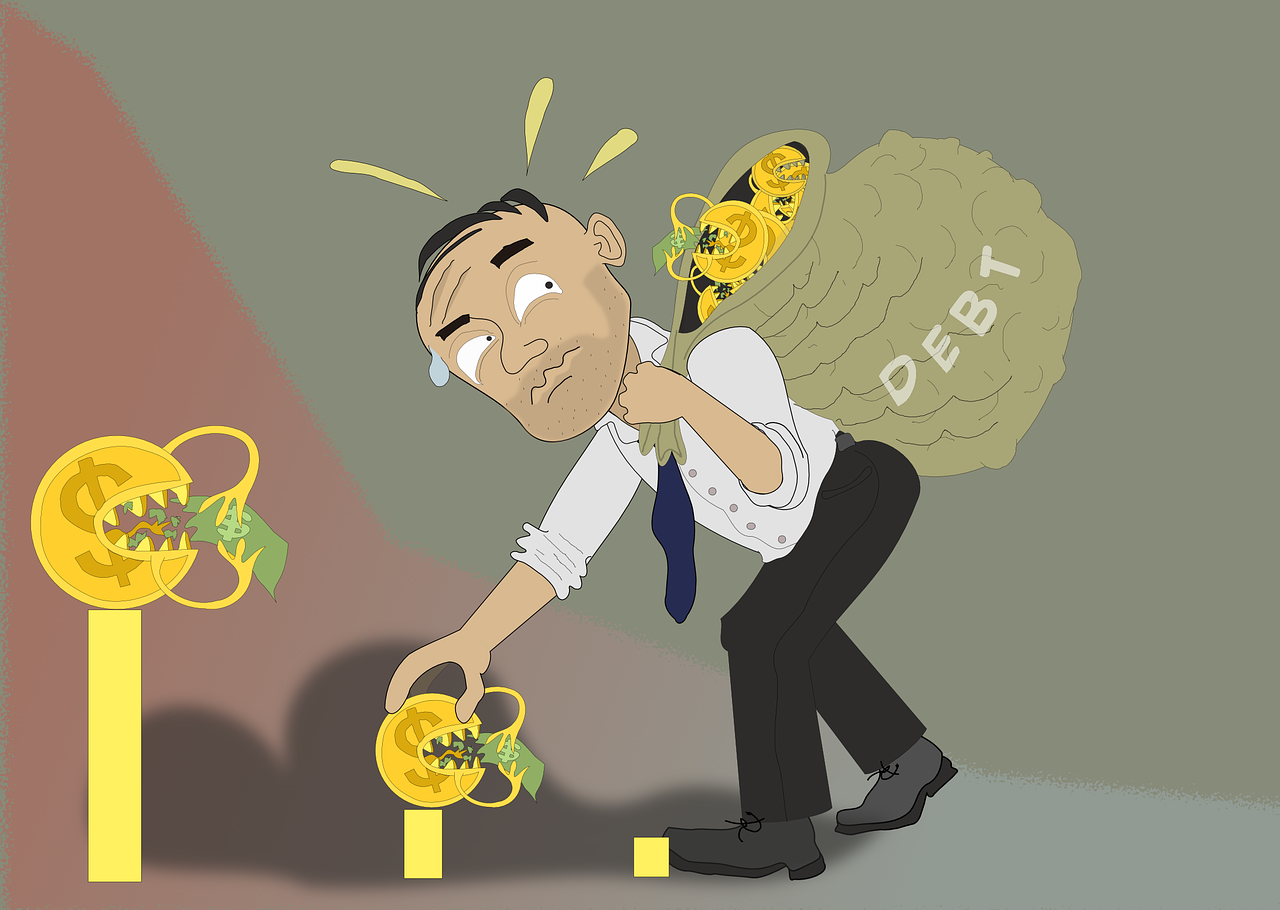
Managing debt is essential for achieving financial well-being. Two popular methods for paying off debt are the Snowball and Avalanche methods. The Snowball method focuses on paying off the smallest debts first, which can boost motivation and create momentum. This approach may appeal to individuals who appreciate quick wins. By eliminating smaller debts, people often find it easier to stay committed to their overall debt repayment strategy. Conversely, the Avalanche method prioritizes paying off debts with the highest interest rates first. This method emphasizes saving money on interest in the long run, which can be more financially beneficial. It appeals to logical thinkers who prefer a numbers-driven approach. Both methods have merits, but your personal inclination towards motivation versus cost savings will influence your choice. Understanding these differences allows you to select the strategy that aligns with your financial goals and lifestyle. Evaluating your individual situation also plays a vital role in ensuring that your chosen method fits your unique financial circumstances. Ultimately, both techniques can serve as effective strategies in accomplishing debt freedom. Knowing how each works prepares you to undertake your financial journey with confidence.
The Snowball method starts by listing your debts from smallest to largest, regardless of interest rates. As you pay off the smallest debt, you gain a psychological boost that can invigorate your resolve. This momentum is crucial; when people see tangible results quickly, they often feel more empowered and committed. To implement this method effectively, focus all your extra funds on the smallest debt while maintaining minimum payments on others. After clearing the smallest debt, shift focus to the next smallest debt, adding the prior payment amount to this debt. Notably, this technique promotes positive reinforcement. You can celebrate each milestone, allowing ongoing motivation. However, it’s important to recognize some potential drawbacks. You may end up paying more in interest compared to other methods. Balancing emotional satisfaction with financial prudence becomes crucial when considering this method. Ultimately, evaluate whether the motivational aspects will help you engage with your repayment plan consistently. Reflecting on your own financial situation can clarify your choice between psychological benefits or financial savings. The right approach should feel encouraging and lead toward a stronger financial foundation.
Understanding the Avalanche Method
In contrast, the Avalanche method is an approach grounded in mathematical efficiency. Here, you’ll prioritize debts based on interest rates rather than the balance amounts. By targeting high-interest debts first, you aim to minimize the total interest paid over time. For instance, if you have several debts, you can determine which debts cost you the most in interest and focus your attention there. This strategy effectively reduces the total amount spent and can lead to a faster route to financial independence. Implementing the Avalanche method requires some financial discipline. You will need to push through the period where smaller balances remain outstanding, which can initially feel less rewarding. However, as your primary debts decrease, the savings in interest add up significantly over time. Moreover, tracking progress with the Avalanche method can be as straightforward as keeping a spreadsheet to visualize remaining balances and interest. This approach not only aids in developing a clear debt repayment plan but also saves you money in the long run. The goal remains the same: achieving freedom from debt, but the pathway is distinctly different from the Snowball method.
One factor to consider when choosing between these two methods is your personality and financial behaviors. Individuals who thrive on tangible progress may find the Snowball method more motivating, while those who appreciate logical, analytical challenges may lean towards the Avalanche method. Evaluating how each method aligns with your understanding of money management can lead to better adherence to repayment plans. Each approach will reveal weaknesses and strengths in your financial habits. Thus, reflecting on previous patterns can provide insight into how you will respond. If you tend to lose motivation quickly, Snowball may foster a sense of achievement that drives further commitment. On the other hand, if you’re good at managing detailed computations, the Avalanche could work favorably to satisfy your financial instincts. There’s no one-size-fits-all answer, and it’s essential to make a decision based on self-awareness and informed reasoning. Taking a personal finance questionnaire might also help clarify which strategy suits your needs. By being aware of your inclinations, you set yourself on a path tailored to your success.
Combining Strategies for Optimal Results
Some people opt to blend aspects from both methods to optimize their debt repayment plans. This hybrid approach can provide both motivation and cost savings, balancing the emotional and financial aspects of debt management. By adopting this method, you can concentrate on clearing a few smaller debts first to get motivational victories while also prioritizing high-interest obligations. There’s freedom in using a blended approach, allowing the flexibility to adjust based on your financial circumstances. You can stay responsive to changing situations or even mood shifts. For instance, if you find yourself losing momentum, you can shift gears by focusing on a small debt for a psychological boost. Conversely, if interest rates fluctuate, it might be beneficial to realign against higher-interest debts. Keep in mind that your financial journey is unique, and leveraging strategies that resonate with you can make a significant difference. Additionally, remember to revisit and readjust your plan periodically. Staying proactive about your finances can gradually lead to more substantial achievement over time, fostering resilience and continuity in the fight against debt.
Utilizing tools such as budgeting apps or planners can support whichever method you choose. These resources can enable tracking your progress systematically, providing reminders to facilitate timely payments. Ensuring that your chosen strategy aligns with an organized structure will enhance your overall success. For example, using physical checklists or digital applications, you can visualize cleared debts and see ongoing progress towards remaining balances. This can serve as a robust motivational tool that complements the Snowball or Avalanche approaches effectively. Highlighting successes or reminders about financial goals can reinforce positive behaviors and discipline. Additionally, consider involving a financial advisor if you’re uncertain about which method suits you best. They can offer personalized insights relevant to your unique situation and financial goals. Connecting with a supportive community through forums or social media can also help in sharing experiences and strategies. This can make the process feel less isolated and more collaborative. Financial well-being is achievable with the right tools, motivation, and insights tailored to your circumstances.
Conclusion and Next Steps
To summarize, the Snowball and Avalanche debt repayment methods each provide valuable insights and strategies for managing debt effectively. Evaluating your preferences, lifestyle, and financial habits will help clarify which method may be most effective for you. Remember that starting your journey to financial freedom is the most crucial step. Setting realistic milestones will make the process less daunting. Regardless of the path you take, engaging fully with your chosen strategy can lead to long-term success and empowerment. Regular evaluations of your progress can also help enhance motivation over time. Be sure to celebrate your victories, both big and small; financial management is a marathon, not a sprint. As you embark on this endeavor, be patient with yourself to cultivate resilience. Financial literacy benefits from continuous learning, so stay open to revisiting your approach as circumstances evolve. Encourage discussions around your experience with friends or financial forums, sharing insights and encouraging divergent perspectives. Ultimately, choose the path that best resonates with you while being consistent and determined. This is how you pave the path toward a debt-free future.
Managing debt is essential for achieving financial well-being. Two popular methods for paying off debt are the Snowball and Avalanche methods. The Snowball method focuses on paying off the smallest debts first, which can boost motivation and create momentum. This approach may appeal to individuals who appreciate quick wins. By eliminating smaller debts, people often find it easier to stay committed to their overall debt repayment strategy. Conversely, the Avalanche method prioritizes paying off debts with the highest interest rates first. This method emphasizes saving money on interest in the long run, which can be more financially beneficial. It appeals to logical thinkers who prefer a numbers-driven approach. Both methods have merits, but your personal inclination towards motivation versus cost savings will influence your choice. Understanding these differences allows you to select the strategy that aligns with your financial goals and lifestyle. Evaluating your individual situation also plays a vital role in ensuring that your chosen method fits your unique financial circumstances. Ultimately, both techniques can serve as effective strategies in accomplishing debt freedom. Knowing how each works prepares you to undertake your financial journey with confidence.