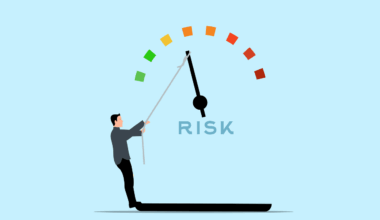

The Role of Auditors in Credit Management
In modern financial sectors, credit management is critical for maintaining healthy cash flows and sustainable business operations. Credit auditors play an integral role in ensuring that a company’s credit policies are utilized effectively and responsibly. They are tasked with reviewing and evaluating the credit processes within an organization. This review helps identify potential shortcomings in credit decision-making and areas where improvements can be made. By assessing these processes, auditors can identify best practices that increase the efficiency of the credit management system. Furthermore, they ensure compliance with internal controls and regulatory standards. Auditors also help mitigate risks associated with credit management, such as defaulting loans or problematic accounts. Their assessments can result in actionable insights that lead to enhanced credit policies. Establishing robust credit management procedures can significantly reduce financial losses for organizations. It ensures that credit is extended to qualified clients while safeguarding company funds, therefore maintaining profitability. With their expertise, credit auditors help organizations navigate the complexities of credit risks in today’s volatile market. Their contributions ultimately bolster financial stability and promote better decision-making in credit management practices.
The responsibilities of credit auditors extend beyond compliance checks; they also focus on risk assessment and improvement suggestions. Typically, audits will involve evaluating the performance of credit policies and the effectiveness of the credit risk assessment tools used by the organization. Auditors collect data related to outstanding debts, payment histories, and credit applications to conduct their analysis. The gathered information is then used to assess whether credit approvals align with the established risk appetite of the business. By doing so, auditors can identify trends in late payments or defaults, enabling proactive measures to be taken before issues escalate into significant problems. Recommendations made by credit auditors might include refining credit scoring models or adopting new technologies that streamline the credit application process. With clear reports and recommendations, management teams are empowered to implement changes that enhance overall credit performance. Credit auditors also play a pivotal role in educating employees about the risks of extending credit and the importance of following established procedures carefully. Such practices can lead to a significantly more efficient credit management function.
A key aspect of a credit auditor’s role involves the verification of compliance with existing credit policies and procedures to ensure their effectiveness. This is particularly important in maintaining a strong financial position and minimizing risk exposure. Regular audits allow businesses to spot any discrepancies or inefficiencies that might lead to financial losses. By conducting audits, credit auditors ensure that credit processes align with industry laws and regulations. Regular assessments also promote accountability within teams and ensure a culture of transparency and responsibility. Auditors provide detailed insights into the organization’s credit risks, informing strategic decisions around credit limits, interest rates, and other key factors. Their findings can lead to meaningful changes in credit strategy and operations. Furthermore, maintaining good relationships with credit customers is beneficial for both the clients and the organization; auditors often recommend strategies to improve customer service and communication. By ensuring a thorough understanding of client creditworthiness, credit auditors help enhance trust and loyalty. This ultimately results in more successful credit engagements for businesses.
Enhancing Credit Management with Technology
Incorporating technology into credit management procedures greatly enhances efficiency and accuracy. Credit auditors must be well-versed in the latest software tools that facilitate comprehensive credit reviews and assessments. Using advanced analytics, organizations can better forecast potential credit risks and identify trends in customer behavior. Automating credit checks and approvals streamlines the lending process and minimizes human error. Moreover, utilizing cloud-based systems allows for real-time data updates that enhance decision-making processes. Tools that integrate with customer relationship management (CRM) systems can provide auditors with holistic views of customer interactions and payment histories. This level of detail aids in better risk analysis and promotes a proactive approach to credit management. Additionally, electronic documentation and communication can simplify the audit process, making it easier to gather necessary records for review. Auditors can rapidly assess compliance and provide timely feedback to ensure ongoing adherence to regulations. The integration of these technological solutions ultimately leads to improved accuracy and faster identification of potential issues, supporting a more agile credit management function.
Training and development are vital components of an effective credit management audit process. Credit auditors should continually seek out professional development opportunities, keeping abreast of new policies, technologies, and methodologies relevant to credit management. Regular training sessions and workshops help ensure that auditors possess the necessary knowledge and skills to perform high-quality credit audits. Additionally, cross-training with teams in related departments such as finance and compliance can enhance auditors’ understanding of broader organizational operations. Such collaborative initiatives also foster a culture of shared responsibility for credit performance across teams. By working together, teams can ensure that credit policies are applied consistently and effectively. The importance of communication cannot be understated; frequent interactions between auditors and credit teams can build trust and facilitate better compliance. Continuous feedback loops help refine methods and implementation strategies. Furthermore, participating in professional networks allows auditors to exchange best practices and learn from peers, improving their audit effectiveness. Overall, investing in the professional development of credit auditors strengthens the organization’s credit management function and mitigates risks.
The Future of Credit Auditing
As the business landscape continues to evolve, so too must credit auditing practices. The emergence of artificial intelligence (AI) and machine learning presents exciting opportunities for the future of credit management. Auditors are beginning to leverage AI-driven analytics to enhance their reviews and risk assessments. These technologies allow for faster data processing and more accurate predictions of creditworthiness. Furthermore, they can automate routine tasks, freeing up auditors to focus on higher-value activities. The adaptability to changing economic conditions is vital; auditors must be prepared to embrace innovative tools and adjust their methodologies accordingly. Continuous advancements in data security will also shape future auditing practices, ensuring that sensitive customer information remains protected. As regulatory expectations increase, auditors will need to stay informed about compliance issues and enforce robust systems that drive accountability. Additionally, fostering an agile mindset enables auditors to respond swiftly to emerging risks. Overall, the future of credit auditing will focus heavily on a combination of technology, regulatory compliance, and enhanced risk management strategies that align with organizational objectives.
Finally, the overall success of credit management largely depends on collaboration among different stakeholders within an organization. Credit auditors must not only work closely with credit teams but also engage with sales, finance, and risk management departments to align their objectives. By establishing open lines of communication, auditors can gather valuable insights from other functions, leading to a more comprehensive understanding of credit risk. Moreover, fostering relationships with external entities such as credit bureaus and financial advisors is essential. These partnerships enhance data sharing and enable a holistic view of a customer’s credit landscape. Building a collaborative culture around credit processes can demystify the auditing procedures and encourage adherence to best practices. Each department plays a role in protecting the organization’s financial health, making collective accountability paramount. Ultimately, the combined efforts of various teams integrated with effective audits will lead to more resilient credit management practices. This inter-departmental approach ensures that businesses are better equipped to withstand economic fluctuations and manage credit risks, enhancing overall organizational effectiveness.
Conclusion is of utmost importance to closing the gaps established throughout the auditing processes on credit management practices; thus, clear communication plays a vital role in establishing shared goals. This enhances understanding of the implications stemming from audit findings and consequent adaptations within policy frameworks. Timely follow-ups ensure that recommendations translate into concrete actions, minimizing risks and promoting financial stability. By continuously monitoring compliance with evolving credit policies and risk management strategies, reformative measures can be implemented as necessary. Moreover, conducting periodic training exercises reinforces the established credit audit procedures, creating a proactive environment towards change and improvement. Credit auditors act as the linchpin within this dynamic, helping foster collaboration between all stakeholders involved. In conclusion, their strategic role in credit management will only become more significant as organizations increasingly rely on accurate credit assessments to drive growth and sustainability. Auditors must continually enhance their craft by keeping abreast of industry changes and embracing innovative technologies to amplify their impact. This holistic and proactive approach to auditing will undoubtedly contribute to more resilient and successful credit management practices across the board.