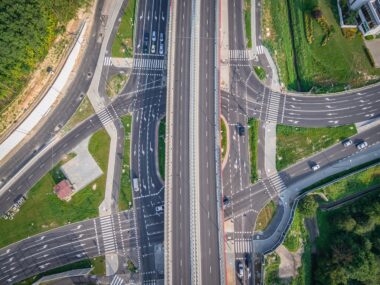

The Role of Transport Economics in Sustainable Urban Development
Transport economics plays a crucial role in sustainable urban development by optimizing resource allocation related to transportation systems. These systems are vital for facilitating mobility, connecting urban areas, and supporting economic activities. Effective transport planning can help reduce congestion, enhance safety, and promote environmentally friendly transport modes. Essential economic principles govern decisions regarding public investments, public-private partnerships, and usage charges. It involves analyzing costs and benefits, assessing user demand, and predicting future scenarios based on urban growth trends. The integration of transport economics into urban planning requires collaboration among stakeholders including government agencies, private businesses, and the community. Through the application of transport economics, cities can create efficient transport networks that promote accessibility, equity, and sustainability. By encouraging the use of public transit and non-motorized modes such as cycling and walking, urban areas can decrease their carbon footprint. Furthermore, investment in green technologies and infrastructure improvements can lead to enhanced transportation systems cohesively integrated into urban spaces. This holistic approach ensures long-term economic, social, and environmental benefits.
Effective transport economics contributes to sustainable urban development through systematic cost-benefit analysis that informs decision-making processes. Planners and policymakers rely heavily on these analyses to assess various transport options and their implications for urban structures. For example, a clear understanding of demand elasticity can guide investments in different transport modes, affecting public policy direction. Balancing competing interests in urban environments is crucial, and economic tools help stakeholders grasp trade-offs and potential outcomes. Enhanced public transit systems can mitigate congestion but may require resource reallocation from roads to rails. Moreover, it’s important to consider long-term infrastructural maintenance costs in any financial assessment. In multi-modal transport systems, it is essential to identify synergies between various modes of transport to provide seamless user experiences. Investing in public transport boosts overall urban economic productivity by enhancing access to jobs and services. By promoting active transport, such as biking and walking, cities can improve public health outcomes. The overarching goal remains to create an environmentally sustainable urban landscape while fostering economic growth and equitability among all urban dwellers.
Challenges in Transport Economics
Despite the benefits, numerous challenges exist within transport economics affecting sustainable urban development. A primary concern is the misalignment of transportation infrastructure with the evolving needs of expanding urban populations. With rapid urbanization, cities often face inadequate transport systems, leading to increased travel times and pollution. Another challenge is political and public resistance to changes favoring sustainable transport modes. Many people are deeply ingrained in car-centric lifestyles, making it difficult to shift towards public transport or active transport options like cycling or walking. Additionally, funding for transport projects often competes with other public needs, creating barriers to necessary investments in sustainable solutions. Policies promoting sustainability must be attractive enough to garner stakeholder support. Furthermore, the fluctuating prices of commodities such as oil can impact transport economics. This uncertainty can deter long-term planning and investment in sustainable transport technologies. Consistent and reliable funding sources and integrated policy frameworks are essential to overcome these challenges. Collaborative efforts and public education are crucial to promote a broader culture favoring sustainable urban transport strategies.
Integrating transport economics into urban development themes also addresses social equity issues, making cities more inclusive. An equitable transport system ensures that all individuals have access to critical services and opportunities regardless of their socioeconomic status. Equity in transport economics illustrates the need for affordable public transport options that serve marginalized communities. Socially equitable planning involves understanding the transportation needs of diverse populations, such as low-income households and individuals with disabilities. Such measures help minimize barriers, allowing accessibility to jobs, education, and essential services. When economic analyses consider inequalities, they play a vital role in policy formulation and infrastructure investment decisions. The development of transport solutions also promotes community participation to ensure alignment with local needs. Investments in public transport can stimulate job creation, economic development, and improvements in air quality, benefiting all inhabitants. By acknowledging and addressing social disparities through sustainable transport development, cities become more resilient and inclusive. Investing in quality public transport enhances social interactions and fosters community cohesion, further reinforcing society’s need for integrated urban planning. Positive economic outcomes result when transport systems account for comprehensive societal dynamics.
Innovative Solutions Offered by Transport Economics
Innovative approaches in transport economics are steering sustainable urban development through the application of advanced technologies and data analysis techniques. For instance, the use of big data and analytics enables cities to optimize transport operations and user experiences. By collecting real-time data on traffic patterns, public transport usage, and commuter behaviors, planners can make informed decisions enhancing urban mobility. Additionally, developing intelligent transport systems (ITS) integrate diverse technologies, improving safety and reducing congestion. Investments in electric vehicle infrastructure further facilitate the transition toward sustainable transport. Another emerging trend in transport economics is the concept of Mobility as a Service (MaaS), which combines multiple transport services into a single accessible platform. Such services promote shared mobility options, lowering dependency on private vehicles. Furthermore, collaborations with technology firms are crucial for developing automated transport modes, like autonomous vehicles, which may reduce travel costs and environmental impacts. These innovative solutions from transport economics propel cities towards achieving sustainability goals while meeting growing urban demands. By fostering a culture of innovation, urban areas can adapt their transport frameworks to accommodate future challenges successfully and capitalize on new opportunities.
The role of public policy and regulation in shaping transport economics significantly affects sustainable urban development initiatives. Policymakers are responsible for establishing frameworks encouraging sustainable transport practices and the adoption of innovative technologies. Regulatory measures dictate vehicle emissions standards, incentivizing lower carbon alternatives. Policies supporting rideshare programs and bike-sharing initiatives promote mobility while reducing congestion. Furthermore, price mechanisms such as congestion charges discourage unnecessary private vehicle use, guiding users towards more sustainable options. Effective urban land-use policies must be aligned with transport infrastructure investments to meet sustainability targets. Cities can integrate zoning laws with transport planning to promote development near transit hubs, enhancing accessibility. Cooperation across various government levels is essential as effective solutions require coordination and synergy across local, regional, and national initiatives. Each level of government plays a unique role in fostering innovative public transport systems while upholding regulatory standards promoting sustainability. Transparency in decision-making processes strengthens public trust and participation. Collaborative planning involving citizens, businesses, and stakeholders leads to cohesive transport infrastructures meeting diverse societal needs and any future environmental challenges.
The Future of Transport Economics in Urban Development
The future of transport economics in urban development is essential to achieving sustainable growth in metropolitan areas as cities around the globe adapt to changing demographic and environmental needs. As urban populations continue to rise, incorporating environmental sustainability into transport planning becomes increasingly important. Evolving transport infrastructure must address future demands while catering to an eco-friendly approach. Enhanced public transport networks, investment in green technologies, and active transport facilities will shape cities’ overall livability. Furthermore, integrating advanced technologies such as autonomous vehicles and data analytics will redefine urban mobility issues. The rise of shared mobility services will challenge traditional ownership models, promoting greener travel behavior among city dwellers. Planners must anticipate changes in mobility preferences driven by ongoing technological advancements and shifting societal attitudes. Building resilience through adaptable transport policies ensures cities can quickly respond to unforeseen challenges, such as climate change impacts. In conclusion, transport economics assists in navigating urban development obstacles, promoting effective resource allocation. As decision-makers view transport through an economic lens, cities can construct more sustainable frameworks benefiting current and future generations. Sustainable transport systems should consider societal well-being coupled with economic growth and environmental care.
In summary, transport economics plays an integral role in fostering sustainable urban development by promoting effective resource management and decision-making processes. By embracing innovative solutions, addressing challenges, and considering social equity, cities can adapt to contemporary demands. Moreover, the collaboration of diverse stakeholders enhances the chances of successful transport initiatives fostering environmental sustainability. As urban areas align transport infrastructure with broader economic goals, the potential for creating resilient, livable cities increases significantly. Future transport systems must be flexible enough to accommodate novel technologies as cities evolve. Importantly, public policies supporting sustainable transport economics must reflect the collective will of communities. Building trust, engaging citizens, and employing transparent decision-making processes will yield sustainable transport frameworks. Enhancing connectivity through effective transport networks contributes to overall economic productivity, reduces greenhouse gas emissions, and promotes social interaction among citizens. To create truly sustainable urban environments, ongoing investments in both transport systems and community engagement are imperative. In conclusion, the future of transport economics remains pivotal in shaping sustainable urban growth, incentivizing urban planners, and policymakers alike to prioritize environmental goals alongside economic imperatives.