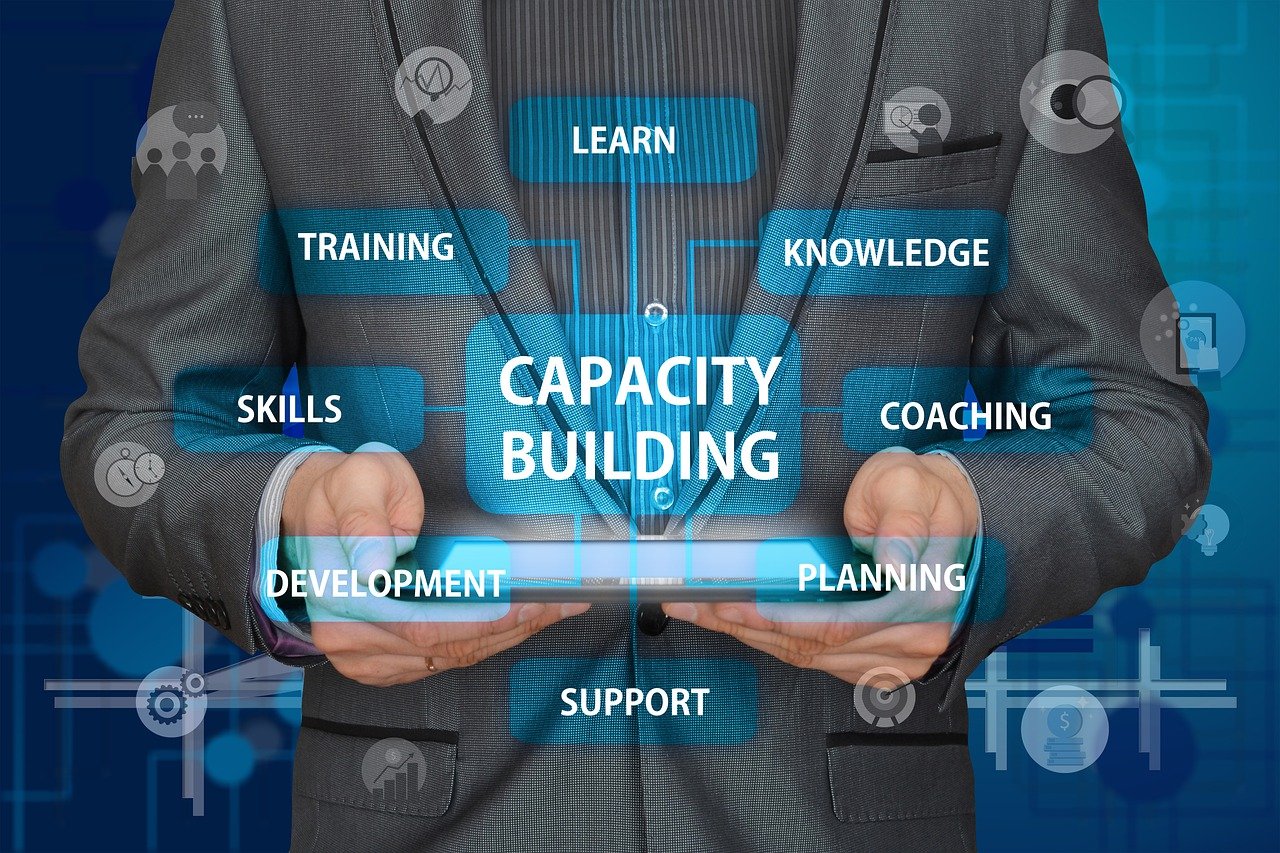

Measuring Success: Tracking the Impact of Capacity Building Grants
Capacity building grants play a significant role in enhancing the capabilities of organizations. When implementing these grants, measuring success becomes crucial for stakeholders to understand their effects. In any capacity building initiative, success is multifaceted and may include increases in knowledge, skills, and resource availability. Establishing clear metrics right at the start helps in keeping projects on track and accountable. Organizations often encounter several barriers in measuring the effectiveness of capacity building, including lack of defined objectives, insufficient data collection methods, and limited resources. However, employing a mix of qualitative and quantitative methods can assist organizations in making informed assessments. Surveys, interviews, and focus groups can provide invaluable insights, demonstrating how grants have impacted both the organization and its community. Additionally, setting benchmarks before the grant is awarded allows organizations to evaluate progress and successes effectively. Regular reporting on these metrics also provides transparency, which is essential for ongoing funding and community trust. By remaining committed to detailed assessments, organizations can continuously learn and improve their strategies for using capacity building funds effectively.
Defining Key Performance Indicators (KPIs)
To effectively track the progress of capacity building grants, organizations must define key performance indicators (KPIs). These indicators serve as measurable values that can quantify success. KPIs should align with the goals established during the grant application process. For instance, if the aim is to enhance training programs, a KPI could include the number of participants completing the training successfully. Other potential KPIs might involve assessing participant satisfaction through surveys or evaluating improved skill levels post-training. Furthermore, organizations should consider both short-term and long-term indicators. While immediate results demonstrate initial impacts, longer-term KPIs can provide deeper insights into whether skills are being applied effectively after training. Documenting these indicators in a clear format allows organizations to share findings with stakeholders and funders, thus enhancing credibility. Regularly reviewing these KPIs also enables organizations to adjust programs as necessary. Moreover, KPIs provide substantial data for future grant applications, showcasing previous successes and areas for improvement. Ultimately, well-defined KPIs empower organizations to manage projects efficiently and achieve sustainable outcomes.
Regular evaluations and reports related to capacity building grants are essential components in measuring their effectiveness. Organizations should conduct evaluations at multiple stages throughout the grant process to maintain clarity on successes and challenges. Conducting formative evaluations is crucial during implementation, enabling organizations to identify any issues early on. Summative evaluations, on the other hand, help assess the overall effectiveness of the grant once complete. Utilizing both methods ensures that organizations can learn from their experiences and improve future initiatives effectively. Additionally, using evaluation frameworks can aid in structured assessments. These frameworks typically contain guidelines and criteria for measuring outcomes effectively. Organizations can engage varied stakeholders in the evaluation process to obtain diverse perspectives and insights, driving a more rounded understanding of the grant’s impact. Moreover, sharing the results of evaluations with a broader community fosters a culture of transparency and encourages collaboration amongst organizations facing similar challenges. This practice can also attract further funding opportunities, as potential partners often seek evidence of effective practices. Evaluations are, therefore, vital tools not only for understanding current impacts but also for building a sustainable future.
Utilizing Data for Continuous Improvement
Data collected through evaluations, surveys, and KPIs serve as vital tools for continuous improvement in capacity building initiatives. Organizations can analyze trends and patterns in this data to inform future decision-making processes. Identifying areas needing enhancement allows for a proactive approach to refine program elements. Moreover, this data-driven mindset helps organizations to become more adaptable, responding quickly to changing circumstances and community needs. Not only can organizations utilize data internally, but it can also be shared externally for advancements within the sector. Engaging in discussions about data findings encourages a collaborative atmosphere where organizations can learn from each other’s experiences. Workshops, webinars, or conferences can be organized to share insights derived from various capacity building initiatives. Such events foster innovative ideas and allow organizations to brainstorm together to tackle common obstacles. Furthermore, building relationships within networks can enable organizations to benchmark their efforts against others, thereby improving overall performance. Ultimately, prioritizing a culture of continuous improvement supported by robust data analysis paves the way towards enhanced capacity building effectiveness and lasting community impact.
Stakeholder involvement is undeniably critical in measuring and maximizing the impact of capacity building grants. Engaging community members throughout the grant’s lifecycle increases accountability and fosters a deeper connection with the project. Community feedback can enrich the understanding of local needs, directing the focus on relevant training and resources. Additionally, collaboration with stakeholders can reveal gaps in service delivery, allowing organizations to address them proactively. To optimize stakeholder involvement, organizations should develop strategies for effective communication during the grant period. This might include holding regular meetings, sharing newsletters, or utilizing online platforms to keep everyone informed. Furthermore, obtaining stakeholder input on program developments leverages their expertise and insights, ensuring a more tailored approach to capacity building. Documenting stakeholder contributions in reports also emphasizes their role in the project, further cementing their commitment. Involving stakeholders can lead to greater investment in the outcomes of the initiative. Ultimately, successful capacity building requires not just financial resources but also the active participation of those it aims to enhance. By fostering inclusive practices, organizations can amplify the impact of their capacity building grants and achieve transformative change.
An Example of Successful Capacity Building
One notable case in the realm of capacity building grants is the initiative undertaken by a nonprofit organization aimed at empowering local youth. By targeting a population at risk, the organization focused on providing essential job training and leadership skills. Establishing clear goals, they defined KPIs to assess participant growth after each training session. Through ongoing assessments and feedback, the program was successfully modified to meet the participants’ evolving needs. Evaluations showed that 80% of graduates secured employment within six months, representing a significant achievement. Furthermore, participants reported increased self-confidence and leadership traits, reflecting the program’s impact on their personal development. This initiative exemplified how targeted training alongside a robust measurement framework could drive success. By being open to using data for continuous improvement, the organization adjusted its curriculum based on participant responses. Consequently, they were able to enhance their job training success rates and ensure a lasting legacy within the community. This success demonstrates the potential of well-managed capacity building grants, showcasing the necessity of intentional measurement and improvement for future endeavors.
In conclusion, measuring the impact of capacity building grants is an essential responsibility for any organization involved in such initiatives. This involves defining clear indicators, conducting regular evaluations, and fostering stakeholder involvement to build a robust understanding of successes and challenges. By utilizing comprehensive data analysis and adapting programs based on feedback, organizations enhance their potential for achieving impactful outcomes. The most successful initiatives embed a culture of continuous improvement, where learning from experiences drives future progress. The case studies presented throughout provide concrete evidence of how targeted capacity building efforts can lead to significant positive change. Demonstrating such impacts is vital for winning further support and funding from donor organizations and public entities. By focusing on transparency and inclusive practices, organizations can create a more sustainable model for community development. As capacity building remains a dynamic field, ongoing discussions about measurement practices can facilitate shared learning across organizations. Ultimately, the success of capacity building grants hinges on intentional tracking, adjustments based on data, and active community collaboration to create meaningful and lasting changes.