
The Evolution of Derivatives Trading in Global Markets
The derivatives trading landscape has undergone remarkable transformations, particularly over the past few decades. Initially, derivatives primarily served as risk management tools for businesses, enabling them to hedge against undesirable fluctuations in asset values. The financial world started witnessing a significant shift during the late 20th century, as advancements in technology democratized access to trading platforms. Investors, from large institutions to individual traders, began recognizing the potential for profitability in derivative instruments, such as options and futures. As these instruments gained traction, regulatory frameworks evolved to address the growing complexity of derivative financial products. Armed with synthetic instruments and sophisticated trading strategies, market participants engaged with unparalleled enthusiasm. Furthermore, competition among exchanges spurred innovation, leading to faster and more efficient trading execution. The intricacies of derivatives trading also highlighted the importance of education, as participants needed to understand highly technical concepts, from implied volatility to delta hedging. Today, derivatives serve multiple purposes, including speculation, risk arbitrage, and asset portfolio optimization. This ongoing evolution outlines a compelling narrative illustrating the burgeoning complexity of global markets and the integral role derivatives play in shaping them.
The introduction of technology in trading practices fundamentally transformed the derivatives market structure. Automated trading systems and algorithms became mainstream, enhancing transaction speed and efficiency. This shift allowed traders to execute strategies that were previously unattainable due to manual limitations. Additionally, the rise of electronic exchanges facilitated easier access to global markets. As barriers diminished, participants worldwide could trade derivatives almost instantaneously. This evolution also brought about increased transparency in the market, making it more accountable. In turn, liquidity improved as various market makers stepped in to create tighter spreads between buying and selling prices. Moreover, significant events, such as the 2008 financial crisis, underscored the inherent risks associated with derivatives. Regulatory changes, such as the Dodd-Frank Act, aimed to bolster the stability of the financial system by enhancing derivative clearing requirements. Such reforms sought to engender confidence within the trading community, ensuring that traders were adequately educated and equipped to manage the risks. While this evolution continues, it reflects a delicate balance between the pursuit of innovation and the necessity for sound risk management, which is crucial for the sustainability of derivatives trading.
Current Trends in Derivatives Trading
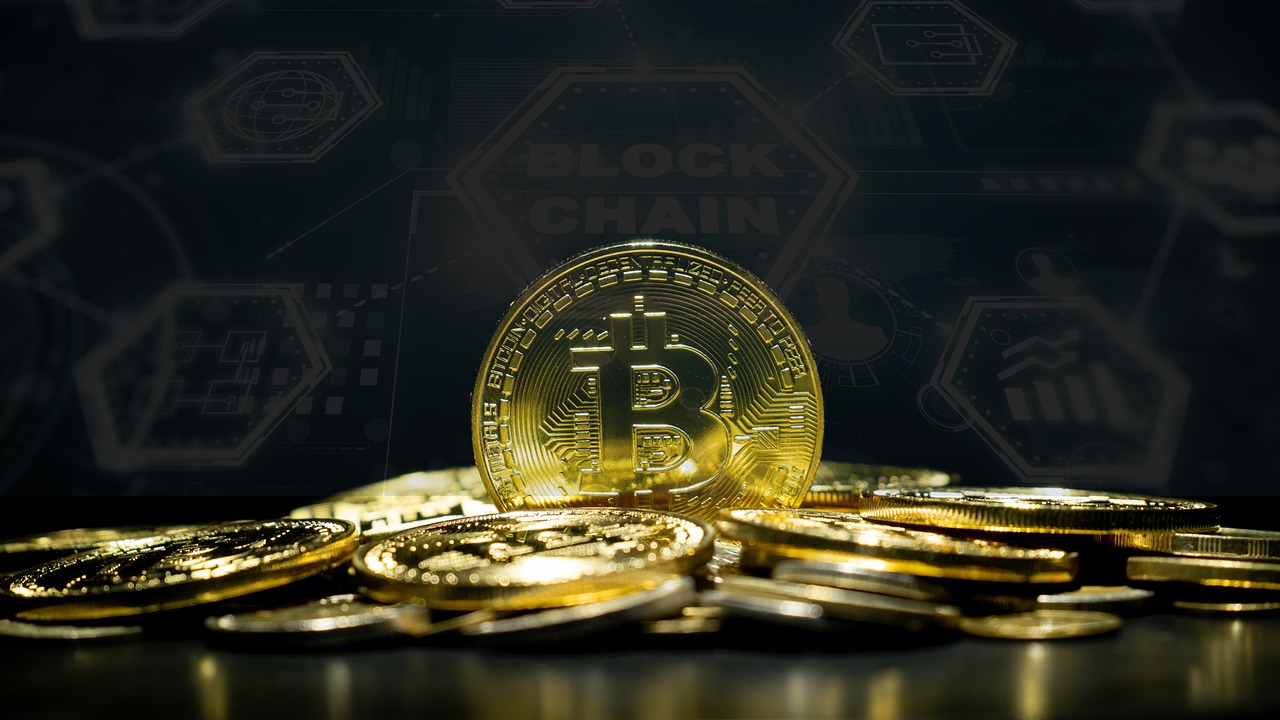
As global markets continue evolving, so do the trends and practices in derivatives trading. One of the most significant current trends is the growing popularity of exchange-traded funds (ETFs) and options on ETFs, which are attracting a diverse range of investors. Retail participants are taking an active interest in derivatives, leading to a noticeable shift in market dynamics. This democratization of knowledge, driven by online trading platforms and educational resources, empowers traders to express sophisticated strategies using derivatives. Consequently, retail presence in the derivatives landscape is reshaping liquidity and pricing behavior. Another trend is the integration of artificial intelligence (AI) and machine learning tools to develop predictive models, improving strategy execution. Moreover, the increasing popularity of cryptocurrencies has led to the emergence of innovative derivative products associated with these digital assets. This creates new opportunities for traders and highlights the continuing evolution of financial instruments in response to market demand. Also important is the focus on ESG (Environmental, Social, and Governance) factors, driving the quest for more sustainable investment strategies through derivatives. Such innovations reflect continued adaptation and resilience within the derivatives market.
The regulatory landscape surrounding derivatives trading has likewise evolved significantly, responding to the changing market dynamics. Authorities and exchanges now place greater emphasis on risk management and market stability, ensuring that participants adhere to strict guidelines. This includes more robust reporting requirements, especially for over-the-counter derivatives, and mandated central clearing for certain products. Institutions are now investing in compliance technologies to ensure adherence to these regulations, underscoring the importance of transparency and accountability. Moreover, the rise of digital assets has compelled regulators to consider new frameworks to safeguard investors while fostering innovation. Regulators are increasingly recognizing the need for harmonization of global standards, addressing cross-border trading and jurisdictional discrepancies. These developments highlight a critical intersection of innovation and regulation within the derivatives market. As market participants engage with increasingly sophisticated products, regulatory oversight remains essential in fostering an environment that encourages growth while protecting investors. Furthermore, by navigating this landscape, organizations can enhance their competitive advantage and build a sustainable approach to derivatives trading. Adapting to regulatory changes will remain vital for long-term success in an ever-changing market.
The Role of Technology in the Future
As we look to the future of derivatives trading, technology will undoubtedly continue playing a pivotal role in shaping the market’s trajectory. Advancements such as blockchain technology are poised to enhance the transparency and efficiency of derivatives transactions, minimizing risks of fraud and discrepancies. Smart contracts, which automate the execution of agreements, are set to revolutionize how transactions are structured, reducing the reliance on intermediaries. Additionally, the proliferation of data analytics tools will allow market participants to derive deeper insights into pricing trends and volatility, enabling informed decision-making. Predictive modeling and enhanced risk assessment algorithms will further empower traders, allowing for more responsive strategies driven by real-time data. Moreover, platforms for social trading and collaborative strategies are likely to emerge as communities of traders seek wisdom from shared experiences. Remote trading facilities and mobile applications will ensure that investors stay connected and can react promptly to market shifts. As technology continues to evolve, embracing innovation will be essential for traders seeking to navigate the complexities of the derivatives market effectively. The future promises to be dynamic and engaging for those willing to adapt.
In summary, the evolution of derivatives trading in global markets is a multifaceted journey marked by innovation and adaptation. The transformative impact of technology has redefined access, liquidity, and efficiency in derivatives trading, enabling more participants to engage with sophisticated financial instruments. This democratization was not without its challenges; financial crises and regulatory changes illuminated the risks within trading practices. As we continue navigating the intricacies of this evolution, staying informed and educated will be paramount for traders. Understanding market dynamics allows participants to devise effective strategies that align with their investment goals. Furthermore, as derivatives play an essential role in risk management and speculation, their significance in modern finance cannot be understated. The growing role of retail traders further illustrates the future of the derivatives market, shifting power dynamics and enhancing market vibrancy. Along with regulatory developments, continuous improvement in risk management practices will be essential to sustain confidence in these instruments. Looking ahead, a conscientious approach to technology, regulation, and education will delineate the derivatives market’s landscape, presenting numerous opportunities for growth and innovation. Ultimately, the future of derivatives trading in global markets is bright, filled with potential.
Conclusion
As the derivatives market continues to evolve, it remains an integral component of global finance, enabling risk management and opportunity realization for diverse market participants. The challenges encountered have only set the stage for even further innovations and improvements. Education, technology, and regulation will shape the complexion of derivatives trading as we step forward. Continuous investment in these areas will ensure that market participants adapt effectively to changes, maintaining a competitive edge. The emerging trends, from cryptocurrency derivatives to AI-driven trading strategies, present exciting possibilities for both novice and seasoned traders. As we move forward, collaboration among traders, regulators, and financial institutions will be essential to foster a stable and resilient environment. Collectively, our commitment to understanding this intricate landscape will enrich our engagements and bolster confidence. The derivatives market’s evolution signifies a journey of adaptability and resilience, reflective of the broader financial universe’s dynamism. As traders leverage advancements to navigate complexities, they unlock pathways to potential profitability. In closing, embracing the derivatives market’s evolution is vital for anyone participating in the intricate web of global finance, heralding a future ripe with opportunities.
Across the various facets of derivatives trading, understanding the implications of each change will determine how stakeholders design their strategies. Effectively adapting to this evolving landscape requires not only technological adjustment but also proactive risk management practices. All in all, the derivatives market remains a testament to the resilience and creativity of the financial sector, highlighting opportunities for investors to pursue their objectives effectively. The coming years will be critical in determining how the market shapes itself, especially as new instruments and practices emerge. Traders must position themselves to embrace this change, leveraging knowledge and technology to forge ahead. By keeping abreast of developments, understanding the key drivers behind market trends, and capitalizing on innovative products, stakeholders can remain at the forefront of this exciting domain. Such preparedness will be key to navigating the challenges posed by an increasingly complex financial landscape. Ultimately, those who adapt, learn, and invest wisely stand poised to harness the benefits of the derivatives landscape as it continues to evolve, promising a dynamic future. A deep understanding of these markets can provide significant rewards, especially for those who actively engage with changes and insights that shape trading practices.