
The Role of Project Reporting in Resource Management
Project reporting plays an integral role in effective resource management within organizations. It encompasses the systematic documentation and communication of a project’s status, progress, and performance metrics. Accurate reporting enables project managers to assess whether resources are being allocated efficiently. By consistently tracking and reporting on project milestones, managers can identify potential bottlenecks and address issues proactively. Furthermore, detailed project reports facilitate informed decision-making at various organizational levels. When stakeholders are consistently updated, they can provide valuable feedback and support. Emphasizing transparency is crucial, as it builds trust among team members and upper management. Leveraging modern project management tools can enhance the efficiency of reporting processes. Real-time data presentation allows managers to make quicker adjustments where necessary. Regularly scheduled reports also foster accountability among team members. Utilizing metrics such as budget adherence, task completion rates, and resource utilization statistics empowers managers to maintain control over project objectives. Ultimately, proficient project reporting single-handedly contributes to an organization achieving its strategic goals through aligning resources effectively to fulfill project needs and advancing productivity, while fostering a culture of responsibility.
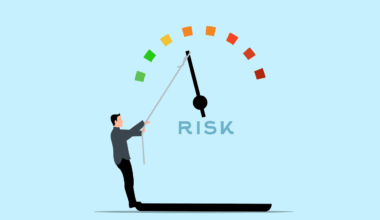
In addition to providing insights into resource allocation, project reporting plays a vital role in risk management. By identifying potential risks early, managers can devise strategies to mitigate or avoid them altogether. Regular updates allow for the monitoring of risk indicators, which might typically include financial metrics or performance challenges. Having detailed reports at hand allows for swift adjustments to be made before a small issue escalates into a significant problem. It is essential to incorporate a risk management framework into the reporting process for seamless integration. Risk assessment should be part of ongoing project discussions rather than being an afterthought. Moreover, frequent communication ensures that stakeholders are ‘in the loop’ regarding any potential challenges. Effective project reports also contribute to better stakeholder engagement through improved visibility into project dynamics. When stakeholders understand both the risks and the measures being taken to mitigate them, confidence in the project’s success increases. Additionally, highlighting successes, alongside challenges, in project reports empowers teams. Celebrating achievements even during tough projects helps to maintain morale and encourages ongoing commitment. In this way, project reporting establishes a strong foundation for both resource and risk management.
Enhancing Communication through Project Reporting
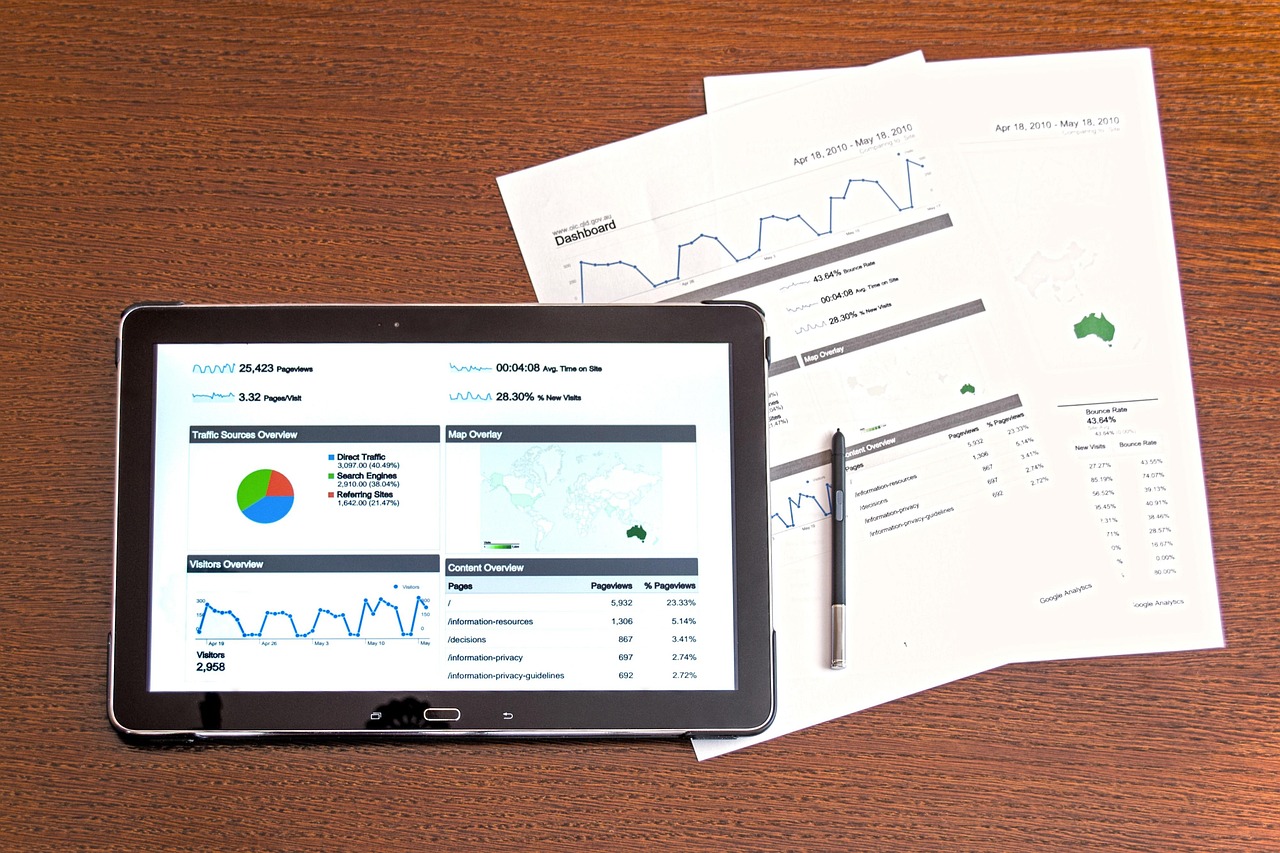
Effective communication is a cornerstone of successful project management, and project reporting enhances this critical element of work. By ensuring that information is clearly and consistently conveyed, project reporting fosters collaboration among team members. When everyone is aware of their responsibilities and the progress of the project, it minimizes misunderstandings and aligns efforts toward outcomes. Creating a centralized reporting format can streamline communication, providing a uniform method for sharing updates. Regular meetings that center on report content allow teams to discuss challenges and successes. Utilizing visual aids within reports, such as charts and graphs, can enhance information clarity. Enhanced communication not only benefits project progression but also promotes team morale. When team members feel informed and included, they are more likely to take ownership of their tasks. Furthermore, it creates a culture of openness where feedback is encouraged. Transparent communication reduces conflicts and establishes a shared vision. Additionally, external stakeholders remain engaged when they have access to comprehensive constructive reports. As project outcomes hinge on effective collaboration, strong internal and external communication nurtured through project reporting becomes integral to results-oriented management.
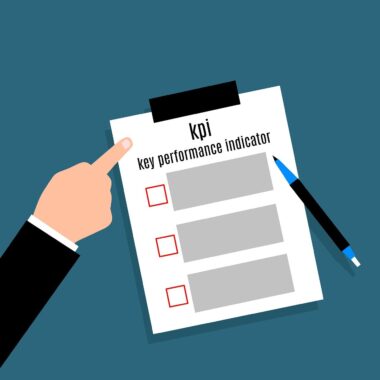
Project reporting also emphasizes the importance of data accuracy and its implications on resource allocation. Accurate reports provide a reliable foundation for making strategic decisions. Inaccurate information can lead to misallocated resources, wasted time, and potential project failure. Therefore, implementing a verification process for data collection is essential. Consistency in reporting standards ensures that information remains valid over time. Emphasizing key performance indicators (KPIs) helps teams understand focus areas that require attention. Accountability in data handling ensures that all team members are trained in reporting tools and standards. Furthermore, adopting technological solutions to automate reporting can enhance data accuracy and minimize human error. Automated reporting tools often provide templates that standardize the process and contribute to reliable results. Regular audits of report data solidify compliance with deadlines and accuracy requirements. Continued training in data analysis can empower team members to utilize reporting systems effectively and responsibly. Enhanced data literacy contributes to a culture of continuous improvement, with ongoing insights derived from accurate reports. In this manner, organizations can ensure optimal resource allocation tailored to project necessity thus improving overall organizational efficiency.
The Importance of Timely Reporting
Timeliness in project reporting is crucial for successful resource management. Timely reports allow project managers to react effectively to on-the-ground realities, making adjustments when necessary to ensure alignment with goals. When project updates are delivered promptly, risks can be identified sooner, paving the way for immediate resolution strategies. Proactive reporting reinforces project accountability as delays in updates can lead to unnecessary setbacks. A timeline of regular reporting fosters an environment of urgency and attentiveness among project teams. Team members become accustomed to sharing progress and discussing obstacles that could impede goal achievement. Several methods can be adopted to monitor reporting schedules, such as project management tools integrated with deadlines. Establishing a routine helps cultivate discipline within teams. Frequent status checks can also create a continuous feedback loop, driving improvements as the project unfolds. The implementation of collective reporting platforms creates real-time connectivity, allowing for quick adjustments based on fresh data. Cultivating a strong culture of punctuality within reporting processes contributes to timely decisions, which are fundamental for meeting set deadlines. Thus, valuing the element of timeliness strengthens resource management and enhances successful project outcomes.
Moreover, project reporting contributes significantly to performance evaluation. By analyzing reports, project managers can gauge team performance, uncover areas needing improvement, and recognize high achievers. Having structured performance indicators allows for quantifiable assessments, making it easier to justify resource allocation. As team goals are achieved, monitoring overall productivity becomes an ongoing process that informs future initiatives. Stakeholders benefit from these insights as well, building trust through transparency about resource use and team efficiency. Regular performance evaluations enable leaders to provide timely recognition and support. Managers are thus able to coach and mentor team members, applying supervision when needed. Celebrating milestones and acknowledging hard work goes a long way toward fostering a positive team culture. Additionally, insights gleaned from project evaluations can guide planning for future projects. Historical data serves as a robust foundation upon which to build new strategies and initiatives. Ultimately, leveraging performance evaluation through detailed reporting leads to better outcomes for both individuals and the organization as a whole. This creates a self-reinforcing cycle engaging teams and stakeholders to drive continuous improvement. Efficient resource management is ultimately a complex yet rewarding outcome of meticulous project reporting.
Conclusion: The Critical Interrelationship
In conclusion, project reporting is indispensable in effective resource management strategies. Clear communication fosters collaboration, while accurate data empowers informed decision-making. Timely insights ensure that project managers can act dynamically in response to challenges. Equally important, performance evaluation sheds light on the effectiveness of resources in achieving project objectives. Integrating these elements into a cohesive project reporting process reinforces organizational strategies and promotes accountability. Teams that understand their performance metrics can readily engage in constructive discussions, leading to enhanced productivity. Building a culture around transparency and responsiveness to project updates makes significant contributions to resource management success. Ultimately, organizations that invest in their project reporting processes are likely to reap considerable rewards in efficiency and effectiveness. Enhanced reporting capabilities can ultimately lead to superior resource deployment, culminating in project success. The interplay between project reporting and resource management is critical for achieving goal alignment and educational growth within teams. Think of reporting as a compass guiding project management, ensuring every team member knows their path toward end goals. Embracing a comprehensive approach to project reporting thus amplifies the results achieved, securing value in strategic outcomes.
To summarize, the role of project reporting in resource management cannot be overstated. Enhanced communication, data accuracy, timeliness, and performance evaluation create a robust framework for success. Each of these elements interconnects, illustrating how project managers can optimize resources to align with organizational goals. By implementing effective reporting structures, teams can navigate challenges and seize opportunities more adeptly. An enriched culture of transparency establishes trust, fundamentally necessary for collaboration and engagement. In light of this, organizations must prioritize developing reporting competencies. Training sessions on reporting tools and methodologies will ensure teams are equipped to utilize data effectively. Automation of reporting processes also plays a vital role in enhancing accuracy and reducing workloads. By maximizing insights gained from reporting, organizations can anticipate and respond to shifts promptly. Employees engaged in ongoing development will contribute positively to team dynamics, encouraging a thriving workplace culture. Investing in comprehensive project reporting mechanisms fortifies strategic planning, enabling businesses to achieve set objectives consistently. Thus, effective project reporting not only impacts resource management but also serves as a cornerstone for organizational growth and success.