
Forex Technology for Risk Management and Compliance
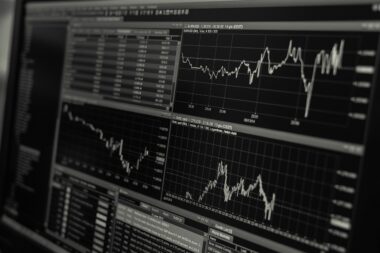
The landscape of Forex trading has transformed significantly due to advancements in technology. Such innovations are now crucial for risk management and compliance, playing vital roles within the financial ecosystem. Forex technology offers a range of solutions aimed at mitigating risks associated with currency trading. For instance, sophisticated algorithms analyze market conditions and help traders make informed decisions. The integration of machine learning tools aids in predicting market trends, thereby enhancing decision-making capabilities. Furthermore, technology enhances transparency during trades, facilitating adherence to regulatory requirements. Automated systems reduce human errors, which can result from emotional trading or fatigue, thereby promoting a disciplined trading approach. Comprehensive data analysis allows firms to assess risk more effectively, enabling organizations to implement robust risk management strategies. Real-time monitoring tools provide users with insights into volatile market conditions, allowing businesses to act quickly and efficiently. Ultimately, the marriage of Forex technology with risk management not only contributes to compliance but also enhances overall trading efficacy. Shift your focus to technology-driven solutions to ensure your Forex trading strategy is resilient and effective in the face of market uncertainties.
Implementing technology within Forex trading necessitates an understanding of associated risks and compliance requirements. Traders must identify key risk areas such as market, credit, and operational risks, which can deter investment opportunities. Regulatory authorities have increased scrutiny on trading practices, emphasizing the need for stringent compliance frameworks. Utilizing Forex technology tools allows traders to maintain these frameworks while minimizing risks. Automated reporting systems streamline compliance processes by providing accurate and timely data required by regulators. Additionally, leveraging cloud-based solutions enhances data security, crucial for safeguarding sensitive information. The rise of FinTech companies has also introduced innovative risk assessment methodologies. A notable example is the use of blockchain technology, which guarantees transaction integrity and traceability, adding a layer of security to Forex operations. Encrypted data ensures that sensitive financial information is free from potential breaches, fostering trust with clients. Moreover, smart contracts can automate compliance checks during transactions. Integrating these technologies not only simplifies the analysis of trading patterns but also provides traders with the confidence needed in an increasingly regulated environment.
Enhancing Risk Management through Data Analytics
Risk management in Forex trading is greatly enhanced by data analytics technologies. Financial institutions increasingly rely on data-driven insights to identify and mitigate risks. Large volumes of data are generated continuously within the Forex market, which tech solutions can handle more efficiently than manual processes. By using predictive analytics, traders can forecast potential market movements with greater accuracy. Tools such as sentiment analysis aggregate data from various sources to gauge market mood, helping in understanding crowd behavior impacts. Additionally, data visualization tools allow for better interpretation of complex data sets, making it easier to identify emerging risks. Financial firms that adopt data analytics technologies can not only respond proactively to risks but also optimize their trading strategies. Identifying historical patterns and trends enables firms to study past market behavior, refining their approaches. Integrating these insights into day-to-day trading operations equips traders for better decision-making. Ultimately, a strong analytical foundation contributes to long-term success in the ever-evolving Forex landscape, as strategies become more agile and responsive to market changes.
Incorporating compliance protocols within Forex trading is paramount to sustaining operational integrity. Forex technology solutions recently revolutionized compliance, equipping traders with essential tools for regulatory adherence. One core element is the implementation of Know Your Customer (KYC) processes, ensuring that all clients are thoroughly vetted. Digital identity verification tools streamline KYC, reducing onboarding times while upholding compliance standards. The evolution of regulatory technology (RegTech) also plays an integral role, providing firms with automated compliance monitoring systems. These systems alert organizations about potential non-compliance issues in real-time, allowing for swift corrective actions. Additionally, using machine learning models can enhance fraud detection capabilities across trading platforms. By continually analyzing patterns and flagging anomalies or unusual activities, Forex technology fosters a secure trading environment. Another essential aspect is ensuring proper training among staff regarding compliance expectations and procedures. Technology-enhanced training modules can provide employees with up-to-date regulatory information, ultimately contributing to a compliant corporate culture. The juxtaposition of compliance measures with technological advancement ensures that Forex trading remains secure and meets increasing regulatory pressure.
Automated Trading Systems and Their Relevance
Automated trading systems have changed the Forex trading landscape, significantly impacting risk management and compliance. Such systems enable traders to execute trades automatically based on pre-defined criteria, minimizing emotional involvement. By leveraging algorithms that analyze market behaviors, traders can respond rapidly to price fluctuations. Automated systems further demystify the process of trade execution, allowing for improved efficiency. This aspect directly correlates to mitigating risks during high-volatility periods, as automated systems can react faster than human traders. Furthermore, these systems enable robust record keeping, aiding compliance with regulatory authorities. Automated trading logs provide a transparent audit trail that regulatory bodies require, enhancing trust within the trading environment. Simultaneously, automation reduces human error, a frequent contributor to compliance breaches. Implementing best practices in algorithm design ensures adherence to both internal and external compliance standards. Continuous monitoring of these automated algorithms also plays a vital role in managing risks associated with changing market conditions. By harnessing automated trading systems, firms position themselves favorably amidst the regulatory landscape, enhancing overall trading performance.
Staying informed about regulatory changes is vital for Forex traders wishing to maintain compliance and manage risks effectively. Regulatory environments are in constant flux, necessitating that traders continually update their practices. Forex technology solutions provide mechanisms for obtaining real-time regulatory updates. For instance, online platforms and regulatory newsletters disseminate essential information, ensuring that traders remain aware of new requirements. Moreover, adaptive compliance solutions can adjust to changes and update internal processes accordingly. These solutions promote a proactive approach to compliance management, mitigating the risk of non-compliance penalties. Regular training sessions, enabled through e-learning platforms, keep staff informed about compliance requirements. Gamified training enhances engagement while ensuring all personnel understands evolving rules. Additionally, partnering with compliance consulting firms may offer a fresh perspective on navigating complex regulatory environments. Utilizing technology analytics can illuminate understanding of which areas may require further attention. By adopting an informed approach to compliance through technology, Forex traders can create an environment that emphasizes risk management and ensures a sustainable trading practice while remaining compliant with regulations.
Conclusion: The Future of Forex Technology
The future of Forex technology looks promising, driven by innovation in risk management and compliance. As the financial landscape undergoes transformation, the integration of emerging technologies will streamline operations, driving efficiency. Artificial intelligence and machine learning will usher in predictive capabilities, allowing for proactive risk assessment. Additionally, innovations like blockchain promise enhanced security and transparency in Forex trading. Businesses will need to remain adaptable, leveraging these technologies to optimize their compliance efforts and risk management strategies. Collaboration between financial institutions and technology providers will be crucial as the industry evolves. The development of customizable solutions that cater to specific trading needs can significantly enhance overall performance. As market participants adopt advanced technologies, the competitive landscape will likely shift, requiring firms to continually innovate. Staying informed of technological advancements will be essential to maintaining compliance in an increasingly complex forex environment. In summary, embracing a technology-first mindset will empower traders with upgraded tools for effective risk management and regulatory compliance, securing their positions and facilitating growth within the Forex market.
The implementation of these advanced tools is not just about compliance but also about reshaping trading practices for better outcomes. As Forex technology continues to evolve, traders must equip themselves with the necessary skills to navigate this digital domain confidently. Understanding how to utilize these tools effectively will differentiate successful traders from others in the competition. Engaging with technology not only offers a way to meet compliance demands but also opens up new opportunities for trade development. Continuous learning and adaptation are key, ensuring that traders maximize their potential in this fast-paced environment. Connected technologies will play an integral role in shaping the trading landscape, and traders who embrace them will likely secure better outcomes with enhanced agility in their operations. Additionally, the interplay of technology and human insight creates dynamic trading strategies that balance speed and analysis. These innovations equip traders to tackle market challenges, ultimately resulting in more resilient practices. The forward-thinking approach will pave the way for sustainable trading models that prioritize both risk management and compliance in Forex. In conclusion, a grasp of Forex technology is indispensable for traders aiming for success in a complex regulatory landscape.