
How Blockchain Technology Can Enhance Endpoint Security in Finance
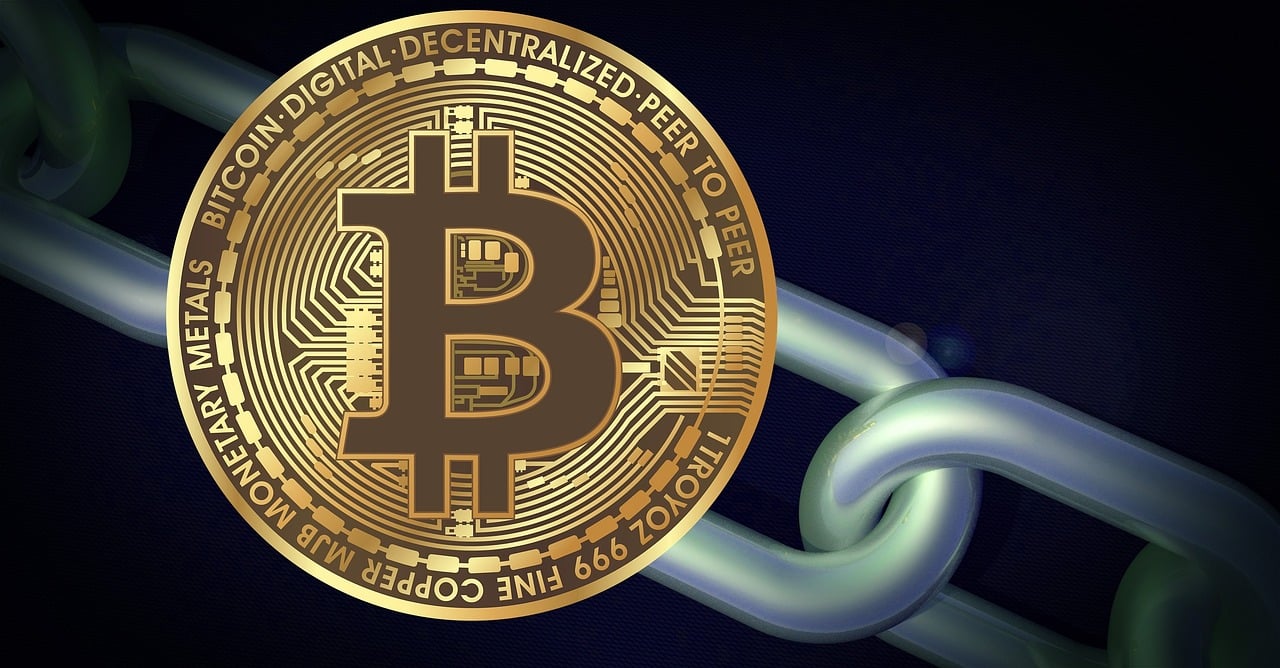
In the financial sector, the security of endpoints, such as computers and mobile devices, is crucial. With significant amounts of sensitive data being processed daily, there is a growing need to ensure that these devices are well protected. An innovative solution that has emerged is blockchain technology. By decentralizing data storage, blockchain allows for greater integrity and security of the information. Unlike traditional centralized systems, where a single breach can compromise user data, blockchain distributes the data across multiple nodes. This makes it extremely difficult for cybercriminals to alter or access sensitive financial records unlawfully. Furthermore, transactions executed on a blockchain are encrypted and verifiable, adding an additional layer of security. As organizations increasingly adopt digital solutions, the robustness of endpoint security becomes integral to their operation. Blockchain can significantly mitigate common vulnerabilities associated with financial transactions. Utilizing blockchain could mean fewer data breaches, less fraud, and enhanced overall confidence in financial systems. The integration of this technology is not just timely but necessary, as the financial landscape continues to evolve with innovative digital advancements. Understanding these possibilities can lead to safer financial environments for consumers and institutions alike.
The Role of Blockchain in Preventing Data Breaches
One of the significant challenges faced by financial institutions is preventing data breaches and unauthorized access. Blockchain technology offers promising solutions to these challenges. By accurately recording and timestamping transactions, blockchain prevents data tampering and ensures the authenticity of information. Each transaction on the blockchain is also immutable, so once recorded, it cannot be altered without consensus across the network. This characteristic drastically reduces the chances of insider threats or manipulation by external actors. Moreover, using smart contracts—self-executing contracts with the terms of the agreement directly written into code—ensures that any unauthorized attempts to access sensitive data are automatically thwarted. Financial entities can thus establish a transparent audit trail of transactions, making it easy to identify any potential discrepancies. The implementation of blockchain at the endpoint level would enable financial organizations to enforce stricter access controls and enhance encryption methods. In doing so, they can ensure security while maintaining compliance with regulatory requirements such as GDPR and PCI DSS. This shift to a more secure, decentralized approach can transform the paradigm of endpoint security in the finance sector.
In addition to enhancing security, blockchain technology can streamline operations for financial institutions. By utilizing a shared ledger system, these organizations can gain real-time access to transaction data across the network. This visibility enables immediate identification of discrepancies and swift corrective measures. Moreover, blockchain significantly reduces the time spent on reconciliation processes traditionally carried out by various departments. With automatic updates occurring across all nodes, the need for repetitive data entry is minimized. This leads to more efficient allocation of resources and improved operational efficiency. As financial institutions face pressures to reduce costs while maintaining high levels of service, implementing blockchain solutions for endpoint security can be a game-changer. It streamlines workflows and ensures that sensitive data is kept secure while transactions remain transparent. Also, this integrated approach allows organizations to focus more on servicing customers rather than managing complex security protocols. The future of finance lies in embracing such technologies, as they provide not only security but also efficiency. Leveraging blockchain at every stage enhances customer trust and satisfaction, making it a valuable endeavor.
Furthermore, the scalability of blockchain technology presents significant advantages for security in finance. Many conventional security measures struggle to adapt to the rapid pace of digital transformation. In contrast, blockchain networks can easily scale and handle increased transaction volumes without losing efficacy. This scalability allows financial institutions to grow and innovate while keeping security intact. As businesses evolve, the potential for transaction volume surges can pose challenges for endpoint security. Blockchain addresses this issue remarkably by maintaining performance and interoperability across various devices. By utilizing blockchain protocols, financial organizations can expand their services without compromising their endpoints. The ability to integrate various technologies effortlessly also allows for greater innovation. As a result, companies can deploy new financial products and services rapidly while ensuring they meet rigorous security standards. In tomorrow’s competitive financial landscape, those who leverage blockchain to reinforce endpoint security will likely lead in market share and consumer satisfaction. This transformative technology thus becomes a cornerstone of operational excellence, driving the evolution of the financial industry into a more secure, efficient future.
While the benefits of blockchain are numerous, challenges remain in its implementation for endpoint security. Many financial institutions are grappling with regulatory hurdles and the need for industry-wide standards. The technology is relatively new, meaning that comprehensive legislation is still evolving. Therefore, there is a significant need for collaboration between regulatory bodies and financial entities to establish clear guidelines. This collaboration will foster secure blockchain practices while promoting financial innovation. Moreover, educating the workforce on both blockchain and cybersecurity principles is essential. A well-trained team can maximize the potential of this technology while minimizing risks. Financial organizations must invest in training programs that equip staff with the latest knowledge about blockchain security. Additionally, potential integration with existing systems also poses technical challenges. The compatibility of new blockchain solutions with legacy infrastructure requires careful planning and evaluation. Transitioning to a blockchain-based system requires clear strategic directions that address both technical and socio-cultural aspects. Financial institutions must approach this transition thoughtfully to truly harness the power of blockchain for more robust endpoint security.
The Future of Crypto-Enabled Endpoint Protection
The potential for blockchain technology extends beyond just enhancing existing security frameworks; it can revolutionize endpoint protection in finance. With the rise of cryptocurrencies and decentralized finance (DeFi), the financial landscape is experiencing unprecedented change. This evolution emphasizes the importance of securing endpoints associated with crypto transactions. Financial devices interacting with various blockchain applications must leverage advanced security measures to protect both user information and digital assets. Blockchain provides solutions like multi-signature wallets, where multiple signatures are required for transaction execution, reducing the likelihood of unauthorized access. Furthermore, decentralized exchanges based on blockchain enhance security by eliminating central points of failure. Such platforms often improve user privacy while maintaining transaction transparency. As cyber threats continue to grow more sophisticated, a robust approach combining blockchain principles with conventional cybersecurity measures offers a solid defense strategy. Financial institutions that strategically integrate crypto-enabled endpoint security solutions will likely find themselves ahead of the curve. Thus, adapting to this technological shift is imperative not just for security but also for competitiveness in an increasingly digital financial ecosystem.
In conclusion, the integration of blockchain technology into endpoint security for financial devices stands as a potent strategy for mitigating threats in the finance sector today. By harnessing the core strengths of blockchain, such as decentralization, transparency, and encryption, financial institutions can significantly bolster their defenses against data breaches and cyberattacks. Organizations must understand that adopting blockchain is not just an IT upgrade; it involves a cultural shift towards a security-first mindset. Continuous investment in technology, training, and collaborative approaches will ensure that such advancements are integrated successfully. Furthermore, as the financial landscape evolves, staying ahead of emerging threats will require ongoing adaptation and vigilance. Institutions that prioritize endpoint security through blockchain innovations will build greater trust with their customers, ensuring that sensitive data remains protected. Ultimately, the proactive use of blockchain technology offers tremendous potential for enhancing endpoint security. As financial entities successfully navigate the challenges and leverage the opportunities presented by blockchain, they can achieve better security outcomes and stand firm against the tide of growing cyber threats.
Adopting these innovative approaches can create a resilient financial sector that excels in data security. By embracing blockchain, organizations exhibit a commitment to protecting valuable customer information while pursuing global competitiveness. With the right strategies in place, financial institutions can achieve not only compliance with regulatory requirements but also establish themselves as leaders in providing secure services. The ultimate goal is to foster an environment where both users and service providers feel secure in their transactions. Therefore, the integration of blockchain technology into endpoint security is a significant step towards securing the finance industry. The benefits are clear, and the urgency for implementation is immediate. In essence, addressing endpoint security through blockchain not only enhances safety but also spurs innovation and growth within the sector. For financial organizations, this commitment must be viewed as critical, given the high stakes involved in digital finance. Through improved security measures, customer trust is augmented, thereby positioning financial institutions for future success. Consequently, ongoing exploration and investment in blockchain technologies will likely become a core business strategy in the realm of finance.