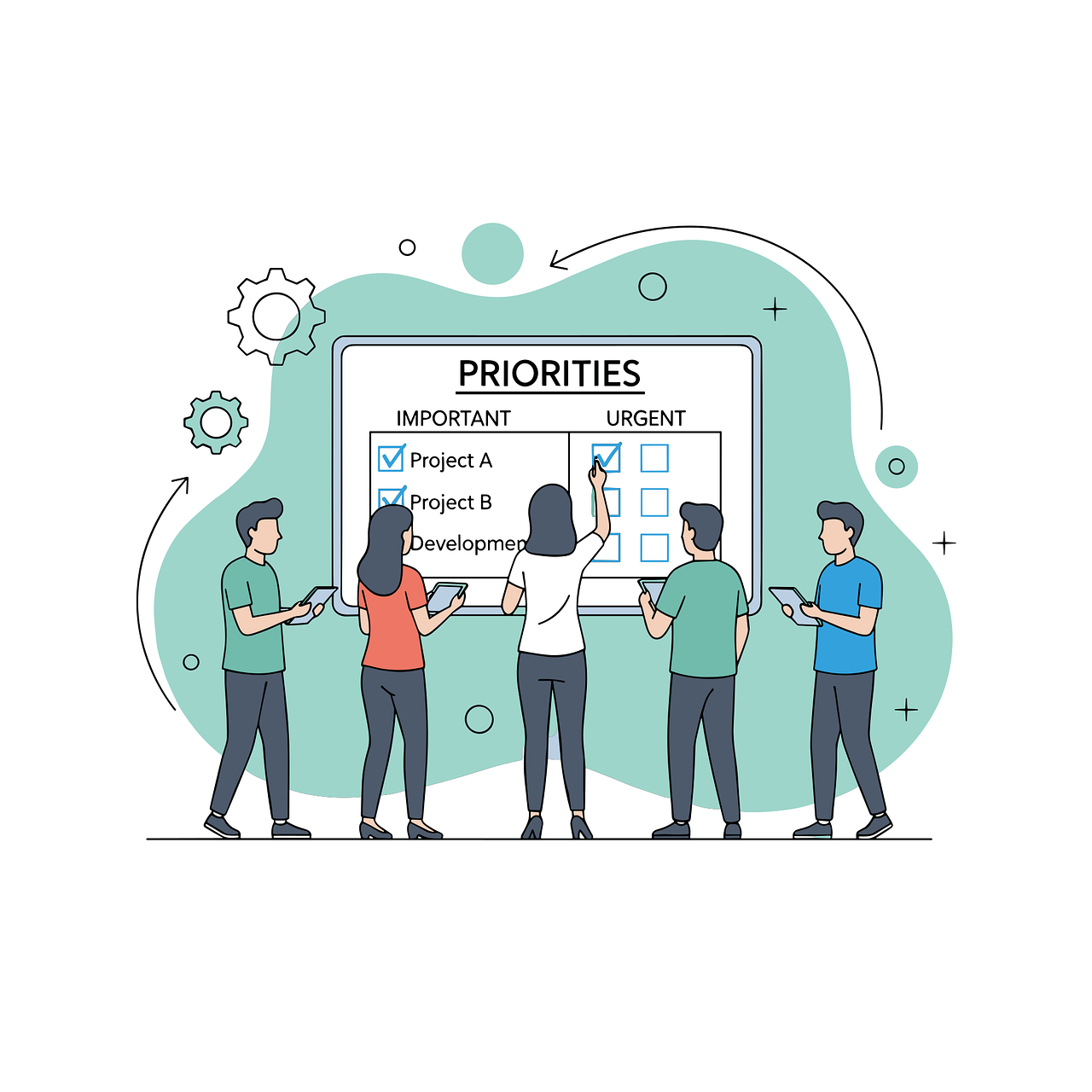

Automating Kanban Boards: Tools and Technologies
The Kanban method is an excellent system for visual project management that enhances productivity through optimized workflow. Automation in Kanban can lead to significant improvements, saving time and reducing manual processes. Tools designed for automating Kanban boards have gained immense popularity among teams eager for efficiency. Many modern digital tools incorporate automation features to streamline the workflow and ensure that tasks move seamlessly across different stages. User-friendly interfaces provide clarity and a quick learning curve for teams adopting these methods. Automation, particularly in Kanban, minimizes bottlenecks and enhances visibility, crucial elements for any successful project. Furthermore, automated Kanban boards reduce the likelihood of errors caused by manual handling. This creates an environment of transparency where every team member has access to updated information. With tasks digitalized, teams save on costs associated with physical boards and unnecessary resources. Additionally, integrating automation into daily workflows engages the team and fosters a culture of accountability. Technologies can include notifications, automated task updates, and performance tracking, which are essential for maintaining momentum and ensuring deadlines are met.
Key Tools for Automating Kanban Boards
Several powerful tools offer automation features to enhance the Kanban methodology. Trello is among the most popular, offering easy task tracking alongside automation capabilities through its Butler feature. Another widely used platform is Jira, which caters to software development teams and provides robust automation functionalities, enabling extensive customization to meet project requirements. ClickUp stands out for its all-in-one feature set, allowing users to automate workflows and handle project management efficiently. Asana is also noteworthy, with automating options that integrate well with its task management capabilities. Monday.com boasts an intuitive interface and multiple automation integrations that appeal to a wide range of teams. Tools like Wrike also include Kanban boards with automation possibilities to assist in tracking tasks seamlessly. Lastly, Kanbanize offers features that are specifically designed for Kanban implementations within various teams. It’s crucial for teams to choose tools that fit their specific workflows, ensuring that complexity remains manageable while optimizing productivity through automation. By utilizing these tools, teams can maintain focus on value delivery and continuous improvement.
Automation features within Kanban tools can significantly reduce administrative burdens, allowing teams to focus on the actual tasks at hand. Automation can trigger notifications when tasks progress across different stages, providing real-time updates. This allows team members to stay informed and react quickly to any changes, thereby increasing responsiveness in dynamic project environments. Customizable workflows enable projects to adapt as requirements change, minimizing disruptions. Task assignments can also be automated based on specific criteria, directing the right resources to the appropriate tasks. In addition, setting due date reminders ensures that deadlines are met without constant manual follow-ups. These capabilities allow for consistent monitoring of project progress and resource allocation, contributing to smoother project execution. Moreover, teams can collaborate more effectively with automated communication tools, helping to avoid misunderstandings that may arise due to hierarchies. The integration of automation within Kanban promotes enhanced team collaboration, ultimately delivering higher-quality results. As more teams leverage these capabilities, the need for training and onboarding becomes vital, ensuring everyone understands how to utilize the technology effectively for the best outcomes.
Analyzing Performance with Automation
Analyzing project performance through automated Kanban boards leads to valuable insights into how workflows can be improved. Tools that incorporate analytics provide a visual representation of workflow efficiency, identifying bottlenecks quickly. Data-driven insights can inform teams of average task completion times, helping them to forecast future project timelines accurately. These analytics enable continuous improvement strategies to be implemented effectively, driving better decision-making around resource allocation and overall project planning. Performance metrics such as lead time and cycle time can be effortlessly tracked, offering valuable feedback loops. Dashboards that summarize these insights further facilitate informed discussions during team meetings. By automating data collection, teams can avoid the tedious task of manual reporting, freeing up time for more strategic analysis. Identifying underperforming areas becomes less daunting when automation provides the necessary visibility. Teams can then focus on short-term and long-term strategies that align with overall business objectives. With appropriate analytics tools, organizations can ensure they remain agile, responsive, and capable of adapting to project challenges while maintaining a high quality of output.
Integration of Kanban boards with other project management tools can lead to even greater efficiencies. Many organizations utilize tools like Slack and Microsoft Teams to streamline communications alongside project management. Integrating Kanban boards with these platforms can automate notifications when tasks are updated, keeping team members informed without overwhelming them with constant messages. This results in a balanced communication flow, which enhances project collaboration and reduces the chances of miscommunication. Further, integrating time-tracking tools can provide insights into task durations and help teams better understand time expenditures. Different software solutions can automate mapping task dependencies, allowing for better planning and foresight. This not only aids in tracking projects but also increases the chances of meeting deadlines. Communities have emerged around various tools, which can offer support in integrating and utilizing automation capabilities more effectively. Workshops and online resources are available to facilitate learning among teams. By leveraging these integrations, organizations can optimize their workflow and foster an environment of continuous improvement through the power of automation.
Best Practices for Automating Kanban Boards
Implementing best practices ensures the effectiveness of automated Kanban boards. Teams should start by clearly defining their workflow stages to avoid confusion. It’s essential to have a comprehensive understanding of the tasks and their progressions, enabling accurate automation setups. Regularly reviewing and refining automation rules plays a significant role in keeping workflows relevant and effective over time. Additionally, involving all team members in the automation process encourages ownership and accountability of automated tasks. This cultivates a culture of collaboration and collective responsibility, resulting in a stronger commitment to project goals. Setting up alerts and notifications can enhance visibility without overwhelming team members, maintaining productivity while conveying important changes. Regular retrospectives can help identify what automations are delivering value and which may need adjustment. Finally, documenting automation processes serves as a reference and essential training material for new team members, streamlining the onboarding process. This documentation helps in maintaining consistency across projects and can lead to overall process enhancements as collective knowledge grows within the team.
Incorporating automation in Kanban boards is not without its challenges and pitfalls. Sometimes, teams may over-automate, which can lead to confusion or frustration among members. Striking a balance between dependence on automation and manual oversight is vital for maintaining team cohesion and workflow effectiveness. Regular assessments of what works and what doesn’t can prevent automation fatigue. Additionally, it’s essential to give teams a voice in the automation process, reinforcing the notion that their input matters. When team members feel comfortable voicing concerns or suggesting changes, it fosters a more collaborative environment. Another common issue is the learning curve associated with new tools and features. Providing adequate training and resources can alleviate confusion and streamline the transition. Continuous education about the technologies, tools, and methodologies can enhance a team’s capability to adapt to automation seamlessly. By being mindful of these challenges, organizations can implement strategies that ensure successful adoption of automated Kanban boards. Ultimately, effective automation should serve to free up time, allowing teams to focus on delivering value in their projects.