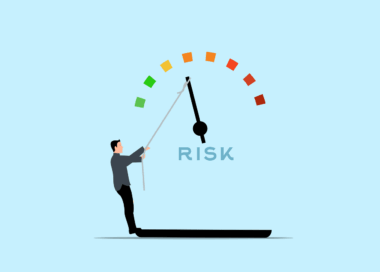

Essential Guidelines for Effective Risk Reporting in Finance and Business
Risk reporting is a crucial aspect of the broader risk management framework in any organization. It serves the purpose of communicating relevant risk-related information internally and externally to stakeholders. To enhance the effectiveness of risk reporting, organizations should consider adopting best practices that ensure clarity, precision, and alignment with organizational goals. The first step towards effective risk reporting involves defining the objectives of the report, which may range from regulatory compliance to internal decision-making support. Commencing with a clear understanding of these objectives, organizations can strategically select the key risks to report on. This selection process should reflect the organization’s specific risk appetite and tolerance levels. Additionally, the integration of qualitative and quantitative data can significantly enrich the reporting process, fostering a comprehensive view. Lastly, transparency is essential; communicating the methodologies used in risk assessment enhances credibility. Following these guidelines can empower organizations to articulate their risk landscapes, facilitating informed decision-making, and enhancing stakeholders’ trust in the organization’s resilience.
Furthermore, consistency in risk reporting is paramount for fostering understanding and reliability. Key risk indicators (KRIs) should be established and reported uniformly over time. This consistency allows stakeholders to track developments and discern trends in risk exposure better. When crafting risk reports, the language used should be accessible to the intended audience. Avoiding jargon and technical terminology ensures that information is understood by all stakeholders, irrespective of their expertise level. Moreover, visual representations, such as charts and graphs, can help convey complex information succinctly. Using consistent formats in visuals aids in quicker comprehension and facilitates comparative analyses across different periods. Alternatively, reports can be differentiated by audience, where high-level summaries are provided to executive management, and detailed analyses are shared with risk managers. This targeted approach can significantly enhance the effectiveness of risk communication. In today’s fast-evolving risk environment, the incorporation of real-time data and dynamic reporting can further strengthen the relevance and responsiveness of risk reporting. Adapting to changes ensures that reports remain timely and actionable.
The Role of Technology in Enhancing Risk Reporting
Technology plays an instrumental role in modernizing risk reporting practices. Leveraging advanced analytics and data visualization tools can transform raw data into actionable insights, making risk information more accessible. It can facilitate automation in gathering and processing data, thus reducing manual effort and the associated potential for errors. By implementing risk reporting software, organizations can ensure timely updates and real-time risk tracking, enabling proactive responses to emerging challenges. Furthermore, cloud-based solutions allow for collaboration across various departments, ensuring that the most accurate and up-to-date information is utilized in risk assessments. This enables seamless sharing of risk data between teams and hierarchy levels, thus promoting transparency and coherence in risk management efforts. As organizations grow, their risk reporting needs often become more complex. Technology can simplify this complexity through customizable dashboards that cater to different user needs. Using predictive analytics can also add a forward-looking perspective to risk reporting, helping anticipate potential future risks. In this manner, technology is integral not only for efficiency but also for enhancing the overall effectiveness and depth of risk reporting.
Equally important is the need for continuous improvement in risk reporting processes. Organizations should regularly review and assess their reporting frameworks to ensure they remain relevant and effective. This iterative process can involve soliciting feedback from various stakeholders who interact with the risk reports. Engaging users in discussions about what works well and what areas could use enhancement can foster a culture of collaboration. Furthermore, assessing the impact of risk reporting on decision-making processes provides insights into how well the reports serve their intended purpose. Organizations should also stay abreast of evolving regulatory requirements and industry standards, which can influence reporting needs. As regulations change, adjustments may be necessary to ensure compliance and maintain credibility. Additionally, benchmarking against peers can provide valuable insights into best practices and emerging trends in risk reporting. By fostering a mindset of continuous improvement, organizations can enhance the quality of their risk reporting, ultimately contributing to better risk management outcomes and organizational resilience.
Critical Elements of a Comprehensive Risk Report
When drafting a risk report, several critical elements should be integrated to provide a holistic overview. First and foremost, the risk report should begin with an executive summary, highlighting the most pertinent risks and their potential impacts. This section allows top management to grasp the overall risk landscape at a glance. Following the summary, detailed descriptions of each identified risk should ensue, including information on risk likelihood, potential impact, and the current management strategies in place. This comprehensive approach empowers stakeholders to understand not only the risks but also how those risks are being addressed. Additionally, it is beneficial to incorporate historical data to demonstrate trends and the evolution of specific risks over time. Furthermore, outlining a clear action plan includes designated responsibilities, timelines, and contingency measures. This proactive stance ensures that stakeholders know the steps taken to mitigate and manage risks. Finally, conclusions and recommendations should provide guidance for future actions and strategic decisions based on the insights derived from the risk analysis, focusing on areas requiring immediate attention.
Another essential component of effective risk reporting is the establishment of a clear communication strategy. Communicating findings from risk reports requires tactical planning to ensure that the right stakeholders receive the relevant information at the appropriate times. Organizations should explore various communication channels, such as formal presentations, newsletters, or intranet postings, to disseminate risk-related information effectively. By tailoring communications to specific audiences, organizations can increase engagement and comprehension among stakeholders. In addition, implementing feedback mechanisms can solicit valuable responses from stakeholders, allowing for adjustments to future reports and enhancing stakeholder engagement further. Additionally, organizations must recognize the importance of follow-up on action items identified within risk reports. Assigning accountability and tracking progress ensures that risks are being effectively managed throughout the organization. Regular check-ins on the status of risk mitigation efforts can provide valuable updates and foster a culture of accountability. Ultimately, establishing a strong communication strategy not only enhances transparency in risk management but also builds trust among stakeholders, promoting a more resilient organizational culture.
Conclusion: The Path Forward in Risk Reporting
In conclusion, effective risk reporting stands at the core of a robust risk management strategy. By adhering to best practices that emphasize clarity, consistency, and relevance, organizations can successfully navigate the complex world of risk. The integration of technological tools, continuous improvement practices, and comprehensive reporting elements empower businesses to proactively manage their risk environments. Communication is equally crucial, ensuring that all stakeholders are aware of and engaged with risk reporting processes. As organizations strive for excellence in risk management, they must remain adaptable, embracing innovative solutions that enhance their reporting frameworks. Doing so will undoubtedly contribute to informed decision-making and a more resilient organizational structure amidst evolving risks. Looking ahead, organizations should continuously evaluate and refine their risk reporting practices in line with industry advancements and stakeholder expectations. As the landscape of risk evolves, so too must the approaches to risk reporting. By committing to transparency, engagement, and ongoing improvement, organizations can ensure their risk reporting efforts effectively safeguard their operations and enhance long-term success.
Ultimately, the journey towards effective risk reporting requires dedication and commitment from all levels of the organization. Stakeholder engagement remains a vital factor for success, with active participation from top management to operational staff. Establishing a culture where risk is openly discussed and reported can further embed risk management practices within the organization. Through training and development programs, employees can become more aware of risk implications, improving their ability to identify and report risks proficiently. Organizations should also champion the use of risk management frameworks and tools that align with their specific needs, ensuring a cohesive approach across teams. This synergy promotes a stronger organizational risk culture, transforming risk reporting from a compliance task into a valuable management resource. As the business environment continues to evolve, fostering a proactive and strategic risk management mindset becomes crucial. Engaging in collaborative risk reporting efforts enhances the collective understanding of risks and strengthens the decision-making process across all levels of the organization. By embracing these essential guidelines, businesses enhance their ability to navigate uncertainty while maximizing their potential for growth.