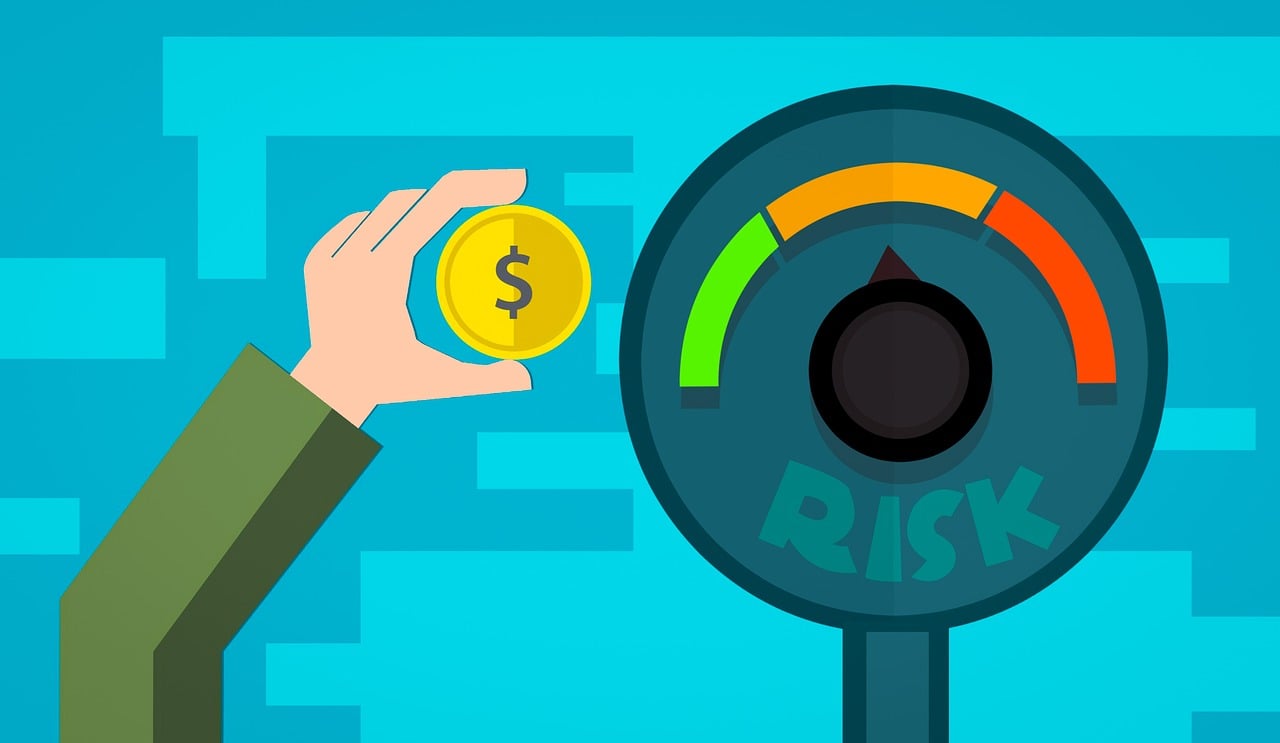

The Role of Insurance in Project Risk Management
Insurance plays a vital role in project risk management by providing essential protection against various uncertainties. It acts as a financial safety net for projects, helping organizations transfer risk to insurance providers. In project management, risks can arise from unexpected events, such as natural disasters, accidents, or supply chain disruptions. By securing appropriate insurance coverage, project managers ensure that financial resources are in place to mitigate losses. This allows projects to proceed with a clearer understanding of their risk landscape. Without insurance, the potential financial impact of unforeseen events can cripple projects altogether. Therefore, evaluating and selecting the right type of insurance is crucial. Various options exist, including general liability, professional indemnity, and property insurance. Each type safeguards against specific risks associated with projects. In addition, insurance fosters stakeholder confidence. Investors and clients feel more secure knowing that risks have been assessed and managed comprehensively. This trust can lead to increased investment and smoother project execution. Overall, insurance is not merely a mitigative measure but also a strategic tool that enhances project viability. Hence, proper assessment and allocation of insurance are indispensable in today’s complex project environments.
Another important function of insurance within project risk management is its role in facilitating risk assessments. Risk assessments enable project managers to identify potential risks and evaluate their likelihood and impact. Understanding insurance coverage helps managers better appreciate which risks can be transferred to insurers and which must be retained. This perspective allows for more informed decision-making when devising risk management strategies. Furthermore, using insurance as a tool encourages a proactive approach to risk management. Projects that prioritize risk assessment and engage with insurance providers typically implement enhanced safety protocols and emergency response plans. This not only reduces potential losses but promotes a culture of risk awareness among team members. Additionally, when specific risks are identified and covered by insurance, project teams can focus on core activities without being bogged down by fear of potential pitfalls. Moreover, competing firms that utilize comprehensive insurance often have a significant advantage in winning contracts. They can showcase greater operational resilience and risk management capabilities, appealing to clients as reliable partners. Consequently, integrating insurance into project management processes becomes essential for sustainable success. The strategic use of insurance ultimately leads to more secure and resilient project outcomes in diverse sectors.
Insurance Types in Project Risk Management
There are several types of insurance specifically tailored for project risk management. Understanding these kinds is vital for project managers aiming to mitigate risks effectively. Among the most common forms are general liability insurance, which protects against claims of bodily injury and property damage. While general liability can cover numerous everyday risks, other specialized insurances are equally essential. Professional indemnity insurance safeguards against claims arising from professional negligence or errors in services rendered. This type of insurance is particularly important for projects involving consultancy or advisory roles. Another significant coverage is builder’s risk insurance, which protects construction projects against damage due to incidents such as fire, theft, or vandalism. Property insurance also plays a crucial role by covering physical assets used in the project. Each of these insurance types serves different purposes but collectively creates a robust risk management framework. In addition, having comprehensive insurance coverage not only reduces the financial burden of potential incidents but can also stabilize project schedules. Delays resulting from accidents may lead to financial repercussions, so insurance helps in maintaining timelines. Thus, selecting the right combination of insurance types remains integral to successful project risk management strategies.
Moreover, effective communication with insurance providers is integral to successful risk management. Project managers must maintain a clear understanding of policy terms and conditions. This understanding can significantly influence how risks are assessed and managed throughout the project lifecycle. When project risks are communicated transparently, insurers can better tailor coverage to meet the specific needs of a project. This includes ensuring that critical factors, such as project scope and location, are considered in the insurance policy. Effective communication allows project managers to highlight any unique factors that could alter risk exposure. In addition, establishing ongoing relationships with insurers helps enhance claims management processes. An established rapport can simplify communication during crisis situations, ensuring swift action when a claim needs to be filed. Furthermore, insurers often provide valuable insights into common industry pitfalls and best practices, benefiting project teams. Engaging with insurers earlier in the planning stage allows projects to be structured in a manner conducive to risk mitigation. As project complexities continue to increase, strong communication with insurance partners fosters a proactive risk management environment. Therefore, successful project risk management hinges not only on having appropriate insurance but also on how effectively teams engage with their insurers.
The Claims Process in Project Risk Management
When unforeseen events occur, understanding the claims process is critical to project risk management. A seamless claims process acts as an essential safety valve during crises. Project managers must educate themselves about how to navigate claims efficiently to ensure quick resolution and recovery from losses. The first step in the claims process is documenting and reporting incidents as soon as they occur. Thorough documentation helps create a credible record that supports the claim. Project managers should gather evidence, including photographs and written descriptions of the event, to facilitate accurate claims processing. Subsequently, they should engage their insurance provider promptly. Clear and concise communication with insurers allows for faster assessment and evaluation of claims. Following reporting, the claims adjuster will typically investigate and review the submitted evidence. An efficient claims process ideally aligns with the project’s timeline, ensuring that financial burdens don’t escalate uncontrollably. Furthermore, keeping communication open during this stage helps clarify expectations regarding timelines and potential outcomes. When managed effectively, the claims process can minimize project disruption and financial loss. This enables teams to reprioritize efforts quickly and resume project activities with reduced worry for the future.
Another significant aspect of the role of insurance in project risk management is its influence on risk retention strategies. While insurance allows for transferring specific risks, some elements may not merit insurance coverage or aren’t insurable. In these cases, organizations must decide which risks to retain, necessitating a thorough analysis. Retained risks can often be supported with reserves or contingency plans. A clear understanding of which risks are retained or transferred can empower project teams to navigate uncertainties with greater assurance. Additionally, knowing the retained risks allows for targeted risk mitigation strategies, minimizing their potential financial and operational impact. Integrating insurance considerations into risk retention strategies enables project managers to develop an overall risk management framework that optimally balances risk. For instance, instead of solely relying on insurance, managers can establish protocols that incorporate risk avoidance, risk reduction, and risk sharing. This diversification of risk management approaches ensures that projects remain resilient in the face of adversity. Furthermore, documenting retained risks and their management strategies often reinforces project stakeholder confidence. This approach also positions organizations for future projects, establishing a reputation for sound risk management practices and ultimately leading to more successful project delivery.
Conclusion on Insurance’s Significance
In conclusion, the importance of insurance in project risk management cannot be overstated. It provides a crucial layer of protection against myriad risks that could potentially threaten project viability. By transferring risk to an insurer, projects can be conducted with a greater sense of security, allowing for smoother execution and completion. The various types of insurance available cater to diverse needs, covering everything from general liability to specialized construction policies. Additionally, effective communication with insurers streamlines the claims process and establishes strong relationships that can yield vital insights. As project managers navigate uncertainties, the clarity provided by insurance is invaluable. Moreover, integrating insurance into overall risk assessments informs decision-making and helps create comprehensive risk management strategies. It enables organizations to select which risks to retain and which to transfer responsibly. Overall, insurance emerges not merely as a backstop against loss but as a cornerstone of strategic project planning. By prioritizing insurance considerations, organizations can enhance their project outcomes and foster an environment of resilience. Emphasizing insurance in project management delivers long-term benefits, aligning project goals with stakeholder confidence and sustainable success.
This article demonstrated the importance of risk management in project settings, ensuring that effective insurance practices contribute greatly to successful outcomes. It is essential for project managers to remain informed and proactive in selecting appropriate coverage, thus securing the stability needed for project execution. The relationship between insurance and risk management is undeniably significant, necessitating careful attention and planning throughout every stage of a project.