
Types of Bankruptcy and How They Affect Student Loan Repayment
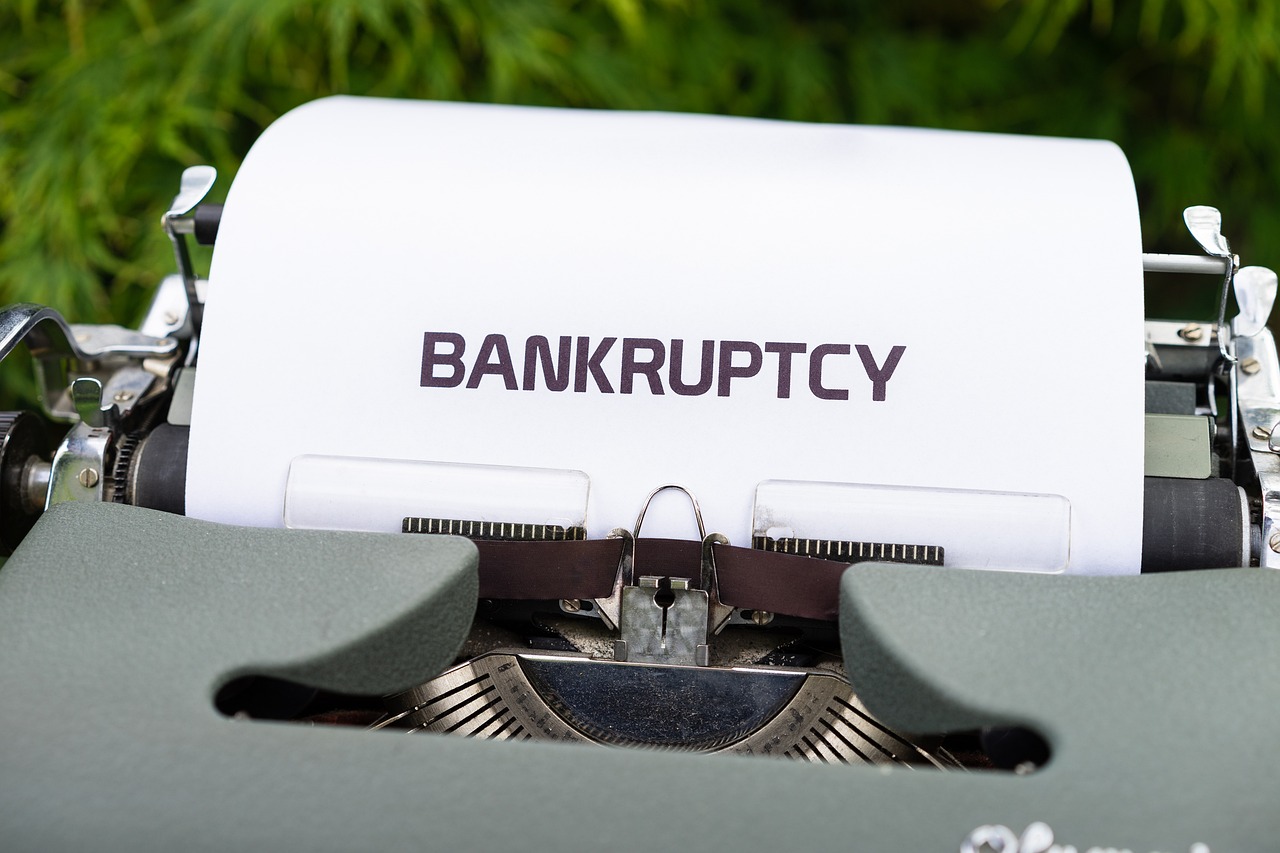
Bankruptcy is a legal process that can provide relief for individuals facing overwhelming debt. There are several types of bankruptcy that different individuals may choose based on their situations. The two most common types are Chapter 7 and Chapter 13. Chapter 7 bankruptcy allows for the liquidation of non-exempt assets to repay creditors, while Chapter 13 enables individuals to create a repayment plan to settle debts over time. Understanding these options is crucial for students burdened with loans, as their student loan debt might not be discharged through bankruptcy unless under special circumstances. Individuals can learn about these two types and how they specifically affect student loan repayment obligations, which can significantly impact their financial futures. Typically, federal student loans are not discharged in bankruptcy, though some private loans may be forgiven if specific criteria are met. Hence, those considering bankruptcy must explore every option regarding their student loans before proceeding, especially since life after bankruptcy requires a solid financial strategy to avoid similar issues in the long run. Therefore, consulting a financial advisor or a legal expert can be imperative for informed decisions.
Understanding Chapter 7 Bankruptcy
Chapter 7 bankruptcy is one of the most frequent forms individuals file for when seeking relief from creditors. In this process, a court appoints a trustee to oversee the liquidation of non-exempt assets to satisfy debts. It lasts approximately four to six months, offering a swift solution for unsustainable financial situations. The impact of Chapter 7 on student loans is particularly crucial. Most student loans remain unaffected and are not typically discharged, meaning borrowers will still owe their debt after filing for bankruptcy. However, exceptions may apply for those who can prove undue hardship. This predicament presents a significant challenge for young adults grappling with student debt. They must understand the permanency of their student loans despite bankruptcy relief, pushing many towards alternative solutions. It’s essential to gather pertinent financial documents, student loans details, and consult with legal professionals when considering this option. Because such processes can be tedious and confusing, consumers must be cautious about their choices. A thorough understanding of Chapter 7 will undoubtedly lead to better financial decisions in the long term.
Chapter 13 bankruptcy serves as another alternative for those seeking to restructure their debts rather than liquidate assets. This form allows individuals to create a manageable repayment plan lasting three to five years, tailored to their financial situations. One of its differentiations is that debtors retain their property while making scheduled payments to creditors. This type provides a lifeline for individuals struggling with student loan debt since it offers a pathway to manage their finances responsibly. Nevertheless, federal student loans often cannot be discharged during this process, but borrowers can negotiate easier repayment options under certain plans. Moreover, Chapter 13 may help improve credit scores after the filing period if the debtor diligently fulfills their repayment commitments. This form of bankruptcy is particularly suitable for those who have stable income and wish to continue meeting obligations without falling behind. Consequently, evaluation of one’s financial status can help determine whether Chapter 13 is the right solution, ensuring that student loans are addressed effectively during the repayment period. Establishing a dialogue with financial advisors is vital in making well-informed decisions throughout this process.
Student Loan Discharge Criteria
Filing for bankruptcy does not automatically result in the discharge of student loans, making it vital to understand the specific conditions involved. Generally, student loans are not easily dismissed through bankruptcy due to stringent criteria established by courts. Debtors must demonstrate that repaying the student loan creates an undue hardship, which is a high bar to meet. The Brunner test is among the most commonly used standards that judges follow to assess whether an undue hardship exists. Applicants must prove they are unable to maintain a minimal standard of living, that their financial situation will not improve, and that they’ve made a good faith effort to repay their loans. Many courts have interpreted undue hardship narrowly, making discharge via bankruptcy exceedingly rare. Therefore, prospective filers should prepare to present substantial evidence and possibly undertake a separate adversary proceeding to challenge their student loans. Engaging legal professionals experienced in education law will assist in building a strong case to navigate this complicated aspect of bankruptcy, which plays a significant role in achieving financial freedom from student debt.
Rehabilitation might be an alternative for borrowers whose student loans cannot be discharged in bankruptcy. This strategy enables borrowers to get back on track by making a series of affordable monthly payments, eventually restoring their loans to good standing. Additionally, many people can leverage income-driven repayment plans to further alleviate financial distress by tailoring monthly payments according to income levels. Each strategy comes with its considerations, so it is crucial for individuals to weigh the potential benefits against long-term implications carefully. Working with detailed financial assessments enables debtors to manage their student loans outside of the bankruptcy framework efficiently. Further, some government programs offer loan forgiveness after specific conditions are fulfilled, particularly for public service workers. As borrowers explore their options, they should remain proactive, seeking assistance from specialists on student loan repayment. Staying well-informed about recent legislative changes affecting student loan forgiveness will enhance borrowers’ chances of navigating this landscape successfully. Ultimately, ensuring a clear understanding of these alternatives will support individuals in making educated decisions regarding their student loans.
Impact on Credit and Future Financial Opportunities
The repercussions of filing for bankruptcy extend beyond the immediate relief it might provide; credit scores tend to take significant hits, affecting future borrowing opportunities. A bankruptcy stays on credit reports for up to ten years, which can hinder attempts to secure loans, housing, and other financial commitments. Young adults burdened with student loans must sharply consider how bankruptcy will impact their creditworthiness. Because loans often lead to credit evaluations, post-bankruptcy individuals may struggle to establish robust financial stability. Maintaining a steady income, adhering to payment plans, and being diligent about rebuilding credit after bankruptcy recovery is paramount. Gradually, borrowers can begin improving their scores through responsible credit behaviors, such as making timely payments and avoiding new debts. In this context, addressing student loans proactively and responsibly not only fosters better creditworthiness over time but also enhances potential opportunities down the road. Ultimately, understanding the financial implications of bankruptcy on future pursuits is vital for those dealing with substantial student loan debts to ensure lasting success.
Lastly, avoiding bankruptcy is always a favorable alternative, considering the myriad challenges associated with it. Individuals grappling with student loans should actively explore financial counseling options, along with budgeting and expense management strategies, to prevent reaching that point. Creating a solid plan to manage debts allows people to prioritize important payments and mitigate the risk of accruing further debt. This approach emphasizes financial literacy through understanding interest rates, loan structures, and potential refinancing options, which can alleviate long-term financial burden. Seeking help from student loan servicers ensures that borrowers are informed of repayment alternatives that cater to their unique situations. Merging loans, consolidating, or seeking income-driven plans present additional paths to maintaining manageable payment expectations. By actively addressing financial stability, individuals can avoid facing bankruptcy and all its repercussions, including the negative consequences for their livelihoods and future prospects. Taking control of one’s financial future is crucial for students, especially with today’s rising education costs. Regularly monitoring cash flows, sticking to budgets, and seeking professional guidance are tangible steps every student can adhere to, ensuring they achieve lasting financial independence.
The process of navigating bankruptcy and its implications on student loans requires individuals to approach their situations meticulously. With various paths available to debtors, teetering between distress and financial recovery is crucial, emphasizing the need for informed decisions. Some individuals may pursue debt counseling, seeking alternatives before finalizing bankruptcy proceedings. Exploring options, utilizing community resources, and engaging with educational forums can aid borrowers in managing their finances effectively. Numerous organizations offer insights on integrating debt into financial planning through budgeting, advising, and trajectory assessments. Gathering knowledge about credit management and loan structures enhances one’s understanding of personal finance while providing clarity on contracting loans. Transitioning from student life into financial responsibility often proves challenging due to overwhelming debt amounts faced by graduates. Thus, prioritizing proactive management of student loans before significant financial setbacks arise can lead to a more secure economic landscape independently. By emphasizing education on budgeting and credit use, young adults equip themselves with necessary financial tools. The focus should remain on debt sustainability while ensuring opportunities for future aspirations are preserved, steering clear of bankruptcy whenever possible.