
Understanding Business Loans: What Small Businesses Should Know
When starting a small business, financing options are crucial for achieving growth and stability. Business loans are a prevailing solution, providing entrepreneurs the capital they need for various needs, such as purchasing inventory, hiring staff, or expanding operations. However, understanding how these loans work is critical before committing to any agreement. In this context, small business owners should be keenly aware of important factors such as credit scores, interest rates, and loan terms that can significantly impact their finances. By gaining knowledge about their financing options, entrepreneurs can make better financial decisions and identify suitable loan products tailored to their specific needs. Ultimately, the clearer the understanding of business loans, the more equipped small business owners will be to secure funding effectively for their operations.
Types of Business Loans
There are numerous types of business loans available that cater to different needs and circumstances. Among the most common types is the traditional bank loan, which often offers lower interest rates but requires a significant application process. Another option is a line of credit, providing flexibility for businesses to access funds as needed without taking out a fixed loan. Additionally, Small Business Administration (SBA) loans are popular, as they usually offer lower rates and longer repayment terms, but they come with rigorous eligibility requirements. For urgent cash needs, small business owners might consider a short-term loan, which, while quick to obtain, can have higher interest rates. Ultimately, selecting the right loan type involves evaluating the specific financial needs and whether the loan matches the business’s growth strategy.
The application process for business loans can often be daunting. Most lenders require a robust set of documentation to process your application effectively. You typically need to provide detailed financial records, such as business bank statements, tax returns, and revenue projections. Here, clarity and organization are paramount. An organized business plan accompanied by a compelling narrative can improve your chances of approval. It would also help to provide information detailing how you intend to use the loan funds, as lenders want assurance that their investment will be used wisely. Before submitting an application, reviewing your personal and business credit scores can reveal what lenders will see and give you an opportunity to make necessary improvements. Small business owners should view this process as a necessary step in their financial strategy.
Understanding Interest Rates
Interest rates play a vital role in determining the total cost of borrowing. Different lenders may offer varying rates based on several factors, including the business owner’s creditworthiness, loan term, and the business’s overall risk profile. Fixed interest rates remain constant throughout the loan term, allowing for easier budgeting and forecasting for repayments. Conversely, variable interest rates fluctuate due to market conditions, which can lead to lower initial payments but potentially higher costs in the long run. Understanding these two types of interest rates is critical to making informed financial decisions. Entrepreneurs need to evaluate their risk tolerance before committing to a loan to choose the option that best aligns with their financial capabilities.
Repayment terms are another crucial element of any business loan agreement. Lenders often provide various repayment schedules, including monthly, quarterly, or annual payments, impacting the cash flow of a business. The duration of repayment periods can greatly affect the interest paid over time and the overall financial feasibility of the loan. Shorter repayment periods may lead to higher monthly payments but lower total interest costs. On the other hand, extending the repayment term can ease cash flow constraints but increase the total amount paid in interest. Small business owners should carefully analyze their cash flow projections and choose repayment terms that maintain operational stability while effectively managing their debt obligations. Making the right choice can significantly enhance a company’s growth prospects.
The Importance of Credit Scores
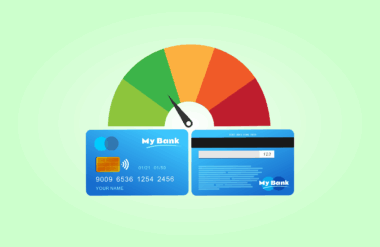
Your credit score is an indispensable factor influencing loan approval and interest rates. A higher score generally indicates a lower risk for lenders, resulting in better loan conditions. Small business owners should monitor their business credit scores regularly and strive to improve any variable that could negatively impact their standing. This includes paying bills on time, maintaining low credit utilization rates, and disputing any inaccuracies in credit reports. Familiarizing oneself with how credit works and what lenders value can guide small business owners toward optimum practices for managing their finances. Building and maintaining a strong credit history is a long-term strategy that pays off significantly when seeking finance options in future endeavors.
In addition to traditional loans, small businesses have been increasingly approving alternative financing options. Crowdfunding, peer-to-peer lending, and invoice financing have become popular for those seeking flexible and often quicker funding. Crowdfunding can leverage the community’s support, providing capital without significant debt burdens. Peer-to-peer lending platforms can connect lenders directly with borrowers, usually at competitive rates. Moreover, invoice financing allows business owners to access funds based on outstanding invoices, improving cash flow without taking on more long-term debt. However, it is crucial for small business owners to fully understand the terms associated with these alternative financing options, as they may come with unique agreements, fees, and risks. Educating oneself about various funding sources enables informed decisions aligned with business objectives.
In conclusion, understanding business loans is crucial for small business owners. By gaining insight into the various types of loans, application processes, interest rates, repayment terms, and credit scores, entrepreneurs can make informed decisions. Taking the time to research and plan financially positions small businesses for success while minimizing financial risks. Additionally, exploring alternative financing methods broadens potential funding avenues, catering to specific business needs. Ultimately, the knowledge gained in small business finance empowers entrepreneurs to navigate the complexities of securing funding effectively, ensuring that their venture can thrive in an increasingly competitive market.