
Building a Diversified Forex Portfolio
Diversifying a Forex portfolio is essential for reducing risk and enhancing potential returns. By investing in multiple currencies rather than concentrating on one, traders can minimize the adverse effects of currency fluctuations. A diversified approach allows for exposure to different economic environments, which can hedge against market volatility. When considering diversification, an effective strategy involves choosing currencies with varying correlations. For instance, pairing a strong currency with a weaker counterpart can buffer against market downturns. Additionally, utilizing various trading strategies, such as swing trading and day trading, can further enhance portfolio performance. Incorporating technical and fundamental analysis can help determine the best times to enter and exit positions. Traders should also remain aware of geopolitical and economic factors influencing currency markets. Establishing clear risk management guidelines, such as setting stop-loss orders, is crucial to protect the portfolio during unpredictable market conditions. To effectively build a diverse portfolio, continuous education and market analysis are imperative. Utilizing demo accounts to practice and refine strategies can lead to informed decision-making in real trades, contributing to overall portfolio success.
Identifying currency pairs for diversification involves careful analysis and understanding of market dynamics. Major currency pairs, such as EUR/USD and GBP/USD, typically offer high liquidity and tighter spreads, making them ideal for traders seeking stability. However, including minor and exotic currency pairs can provide higher volatility and potential for substantial returns. By investing in a mix of major, minor, and exotic pairs, traders can achieve a balanced exposure to different market factors. Risk tolerance and trading styles must dictate the specific pairs chosen for the portfolio. Strategic allocation is necessary; traders should not allocate too heavily to any single pair. Monitoring economic reports, interest rates, and global events that affect currencies is vital. Utilizing tools from brokers, such as currency heat maps and volatility indicators, can provide insights into current market conditions. Pair selection should also consider the trader’s familiarity with the currencies involved. In this way, diversified exposure reduces risk associated with any single economy. Regular portfolio reviews will help ensure that the selected pairs are still aligned with market conditions and the trader’s goals for future success. Adjustments may be necessary as trends and market dynamics change.
Risk Management in Forex Trading
Risk management is a crucial component of building a diversified Forex portfolio. Without a solid risk management plan, even the most diverse portfolios can incur significant losses. A variety of techniques can be employed to mitigate risk. First, position sizing determines how much capital to risk on any given trade. Smaller position sizes allow traders to withstand multiple losses without severely impacting their portfolio. A commonly used rule is the 1% rule, where traders only risk 1% of their total account balance on a single trade. In addition to position sizing, using stop-loss orders can help limit losses. These orders automatically close a trade at a predefined price, thereby protecting against excessive downward movements. Also, regularly reviewing the portfolio’s performance against risk exposure ensures that it remains aligned with the trader’s risk tolerance. Rebalancing the portfolio may be necessary to maintain desired risk levels. Further diversifying across different asset classes can also reduce overall risk. Using leverage conservatively is vital, as high leverage can amplify risks. Ultimately, a disciplined approach to risk management leads to long-term success in Forex trading.
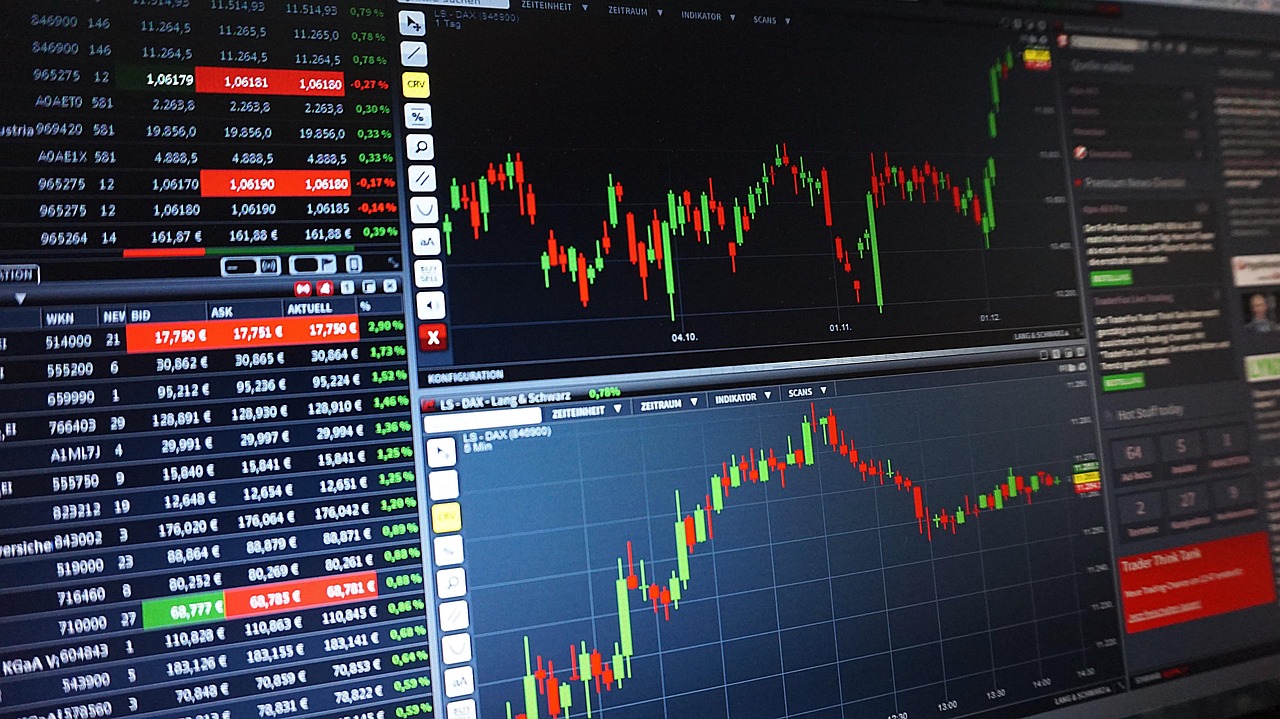
Technical analysis plays a significant role in Forex trading and portfolio diversification. It involves studying price charts, trends, and various indicators to make well-informed decisions. Traders utilize tools such as moving averages, Relative Strength Index (RSI), and Fibonacci retracement levels to identify potential entry and exit points. By analyzing these elements, traders can set appropriate stop-loss levels and take profit targets. A diverse portfolio benefits from incorporating technical analysis across different currency pairs, as it allows for more precise timing in trades. It is also essential to understand the significance of support and resistance levels when entering multiple currency positions. This knowledge serves to inform the efficacy of each trade. Traders should backtest their strategies using historical data to determine success rates and potential pitfalls. Technical analysis can reveal market sentiment and forecast potential price movements, helping traders adapt their strategies more effectively. Combining technical analysis with fundamental insights leads to a holistic approach that enhances overall trading performance. Therefore, mastering technical analysis is pivotal for any trader looking to build a robust and diversified Forex portfolio.
Adapting to Market Changes
The Forex market is constantly evolving, and adapting to these changes is vital for maintaining a diversified portfolio. Economic conditions and political developments can significantly influence currency values. Thus, traders must stay informed about global events that may impact foreign exchange markets. Economic indicators, such as GDP growth rates, inflation data, and employment figures, provide insight into currency strength. Moreover, geopolitical events like elections, trade agreements, and international tensions can lead to sudden market volatility. To navigate these fluctuations, diversification strategies should be flexible and responsive. Regularly adjusting positions based on market conditions can optimize portfolio performance. In addition, traders may want to explore automated trading systems or algorithmic trading, which can analyze market signals more quickly than manual trading. By implementing such systems, traders can seize opportunities as they arise. Creating a watchlist of currencies based on current economic news can streamline decision-making processes. Gathering insights from reputable financial news sources helps traders remain updated and vigilant. Ultimately, adapting to market shifts through proactive portfolio management ensures sustained success amid the dynamic Forex landscape.
Incorporating a long-term perspective into Forex trading is essential for building a diversified portfolio. Many traders focus on short-term market movements, which can lead to reactive trading decisions. Instead, a balanced approach that considers both short-term and long-term trends can lead to greater portfolio stability. Longer-term trades often yield larger gains and can help offset the impact of short-term fluctuations. Moreover, understanding economic cycles and how they affect currencies provides valuable insights. By holding positions over extended periods, traders can take advantage of macroeconomic trends rather than just market noise. It is essential to analyze a currency’s fundamental factors for long-term investments; this evaluation allows traders to assess economic strength and future growth potential. Implementing strategies that factor in compounding returns can significantly enhance the portfolio’s value. Furthermore, setting realistic expectations and objectives helps maintain a healthy trading mindset. Managing emotions during market downturns helps traders avoid impulsive decisions that can jeopardize their portfolio. By fostering a long-term view, traders increase their chances of building a Forex portfolio that withstands market uncertainties while reaching financial goals.
Continuous Education and Strategy Refinement
Continuous education is paramount in the dynamic world of Forex trading and portfolio diversification. Markets evolve, and what once worked may no longer be effective. Engaging in ongoing learning helps traders to adapt and refine their strategies. Various resources are available, including webinars, online courses, and trading forums, which provide insights from seasoned professionals. These learning opportunities not only enhance a trader’s knowledge base but also encourage networking with other traders. Feedback from peers can offer valuable perspectives on trading strategies. Additionally, analyzing past trades helps identify strengths and weaknesses within one’s approach. This process enhances self-awareness and informs adjustments to the trading plan. Moreover, setting aside time regularly to review and update the trading strategy is crucial for long-term success. Keeping track of currency correlations and trends aids in identifying new diversification opportunities. Consider leveraging trading journals to document insights and improve decision-making. In a constantly changing market, being well-informed equips traders to seize new opportunities quickly and effectively. Ultimately, a commitment to continuous education fosters better decision-making and supports building a robust, diversified Forex portfolio.
In conclusion, developing a diversified Forex portfolio requires an understanding of various aspects of Forex trading, risk management, and maintaining a long-term perspective. Traders must identify currency pairs wisely, implement effective risk management techniques, and utilize a combination of technical and fundamental analysis to navigate the complexities of the market. Staying informed about market changes allows traders to adapt their strategies, ensuring they remain aligned with new opportunities and challenges. Continuous education plays a critical role in refining trading skills and strategies over time. By integrating a diverse range of currencies and trading styles, forex traders can minimize risk while maximizing potential return. Embracing this approach leads to improved trading performance and a more resilient portfolio against adverse market fluctuations. As the Forex market continues to evolve, traders who invest in their education and strategy refinement are better equipped to succeed. Ultimately, achieving success in Forex trading hinges on a proactive approach to portfolio diversification. With diligence and a commitment to ongoing learning, traders can build portfolios that withstand the test of time, achieving their financial objectives in the dynamic Forex market.