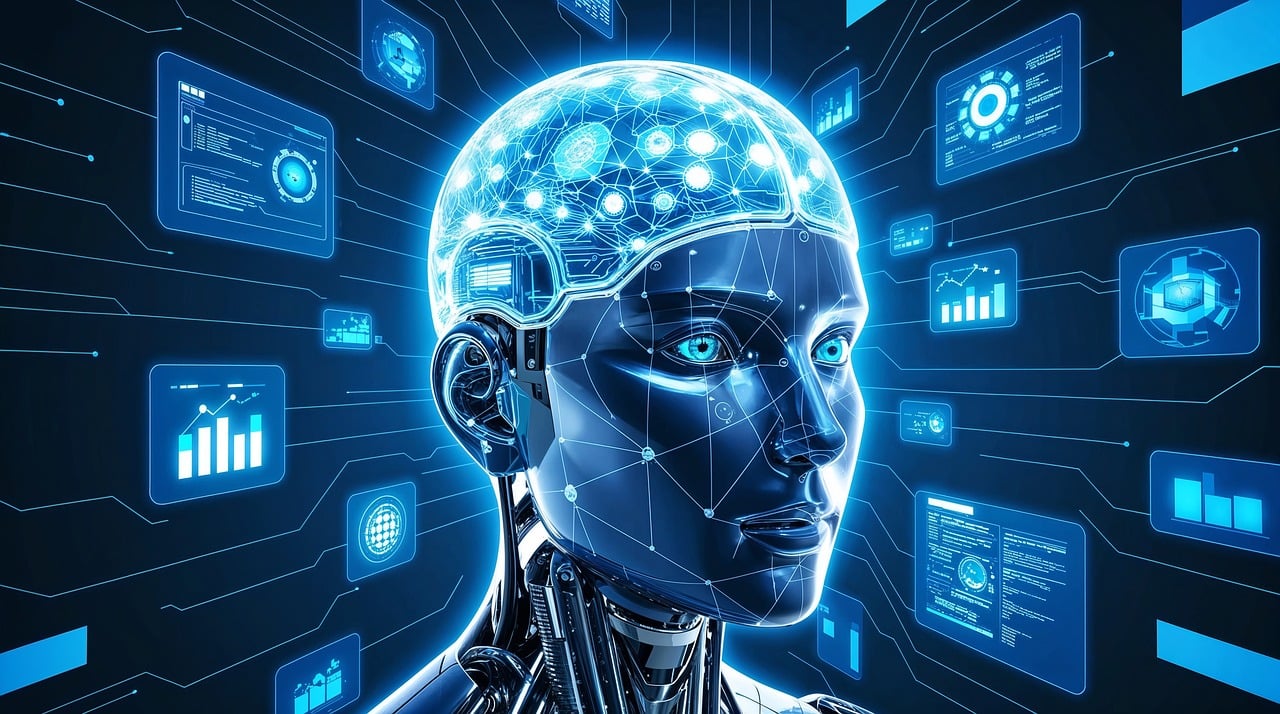

Data Warehousing and Machine Learning: Integration Techniques
Data warehousing serves as a crucial foundation for organizations aiming to leverage machine learning effectively. The integration of machine learning with data warehousing enables firms to optimize analytical processes and derive actionable insights from their data sets. Through utilizing advanced algorithms, businesses can analyze historical data stored in warehouses to uncover trends, patterns, and correlations. This synthesis of technologies facilitates better decision-making and strategic planning. The effective handling of vast volumes of data is essential in a world that increasingly relies on information gleaned from analytics. To achieve this, organizations must prioritize developing scalable data architectures that accommodate growing datasets. Furthermore, employing data cleaning and transformation processes ensures that the data used for machine learning models is of high quality. Implementing these techniques not only enhances accuracy but also improves model performance. Organizations must also consider data governance to ensure compliance and security in their data practices. Adopting standardized data warehousing solutions contributes greatly to the successful integration of machine learning capabilities. Eventually, this fusion empowers businesses with the means to understand their market better and respond swiftly to emerging opportunities.
The integration of data warehousing and machine learning presents several opportunities for advanced analytics. Companies can enhance their ability to predict future customer behavior and identify market trends effectively. By harnessing the power of machine learning algorithms, businesses can analyze historical data from their warehouses, leading to insightful predictions that inform marketing and sales strategies. Advanced regression techniques, for instance, can model relationships between variables, allowing organizations to make data-driven decisions more confidently. Furthermore, classification algorithms can segment customers based on their behavior or preferences, fostering targeted communication strategies. Nevertheless, organizations should remain cautious of potential pitfalls such as data biases and model overfitting. Regularly validating and tuning machine learning models is essential to ensure robust performance across various scenarios. Depending on the specific industry, different models may apply, demanding tailor-made approaches. Thorough documentation of processes and methodologies is crucial in supporting data transparency. Additionally, building a skilled workforce proficient in both data warehousing and machine learning techniques will ultimately drive growth. Investing in employee education and training ensures that teams can competently utilize emerging technologies to maximize operational efficiencies and focus on delivering value.
Key Techniques for Integration
Successfully integrating data warehousing with machine learning involves several key techniques that organizations must consider. Firstly, defining a clear and consistent data architecture is imperative for proper management of data pipelines. This includes selecting appropriate warehousing solutions, such as on-premises or cloud-based options, depending on organizational needs. Machine learning methods should align with the structures of the data for compatibility, ensuring smooth execution of models. Secondly, organizations should implement ETL (Extract, Transform, Load) processes to transform raw data into usable formats, subsequently storing them in a warehouse. This allows machine learning models to access clean and reliable data efficiently. Moreover, integrating real-time data processing capabilities enhances the responsiveness of analytics. By embracing technologies like stream processing, organizations can react promptly to changing circumstances. Analytics teams must also collaborate closely with data engineers and scientists during the integration process to cultivate a shared understanding of requirements. Additionally, adopting automation tools can streamline repetitive tasks, freeing up time for teams to focus on complex analytical challenges. Finally, fostering a culture of experimentation will encourage teams to innovate and explore new machine learning applications within the broader data ecosystem.
Beyond technical integration, ensuring organizational buy-in is critical for the success of data warehousing and machine learning initiatives. Stakeholder engagement is paramount; executives must understand how these technologies enhance the decision-making process and contribute to overall business objectives. It’s vital to communicate the expected outcomes and value derived from data-driven strategies actively. Having a clear vision for what successful integration looks like can foster alignment among various departments. Another important consideration is the allocation of resources, including budget and personnel. Data professionals with expertise in machine learning should collaborate with IT teams to deploy solutions effectively. Furthermore, leadership should promote cross-functional teams to leverage diverse skill sets, ensuring diverse perspectives in tackling challenges. Leaders can also encourage ongoing training sessions to enhance the team’s capabilities in working with these technologies. This investment in human capital will ultimately maximize the potential of both data warehousing and machine learning. Promoting success stories within the organization can help solidify the benefits of integration, inspiring more departments to adopt similar approaches.
Challenges and Solutions
Organizations face several challenges when integrating data warehousing with machine learning processes. Chief among these is the potential for data silos, where information is fragmented across different systems, inhibiting analysis. To combat this issue, companies must adopt a unified data governance strategy that facilitates seamless sharing across data sources. Establishing standardized data formats and protocols will enable smoother integration of diverse datasets within the warehouse. Additionally, ensuring data privacy and security adds complexity to the integration process. Regulatory compliance, such as GDPR or HIPAA, must be prioritized to prevent legal repercussions. Investing in robust database management solutions can help maintain compliance while protecting sensitive information. Moreover, the skills gap in data science and machine learning is a prevalent issue; many organizations struggle to find qualified candidates. Thus, focusing on employee development and community engagement can build a pipeline of skilled data professionals. Organizations should also actively participate in knowledge-sharing initiatives, collaborating with academic institutions or industry groups. By addressing these challenges thoughtfully, companies can enhance the effectiveness of their data warehousing and machine learning integration efforts.
Another vital aspect of integrating data warehousing with machine learning is the role of data quality and integrity. Inaccurate or inconsistent data can significantly hinder machine learning performance, leading to misleading insights. To ensure reliability, organizations should invest in data cleaning efforts that address discrepancies and eradicate redundancies. Implementing validation processes is essential in maintaining ongoing data quality. By regularly reviewing incoming data and applying normalization techniques, businesses can enhance the accuracy of their datasets. Furthermore, metadata management plays a critical role in enabling teams to understand the context of their data. When metadata is well documented, it provides valuable insights into how data was collected, transformed, and stored. This understanding fosters better decision-making and enhances compliance with regulations. Additionally, establishing data lineage insights allows organizations to track the flow of data across different systems. By monitoring and documenting the transformations data undergoes, companies can gain confidence in the results generated by machine learning models. Overall, a proactive stance on managing data quality elevates the success rate of integration efforts.
Future Trends in Data Warehousing and Machine Learning
As technology continues to evolve, the future of data warehousing and machine learning integration promises exciting advancements. The adoption of cloud-based solutions will expand as organizations seek scalable options for storing vast amounts of data. Additionally, integrating artificial intelligence facilitates more sophisticated data processing capabilities. Emerging AI-driven automation tools will augment the effectiveness of traditional data warehousing techniques. Moreover, advancements in machine learning algorithms will enhance predictive analytics, allowing businesses to respond faster and more accurately to customer needs. Another noteworthy trend is the use of edge computing, enabling real-time data processing closer to the source. This approach minimizes latency and enhances responsiveness, fostering quicker decision-making. Furthermore, organizations will increasingly focus on ethical AI practices to mitigate biases in machine learning algorithms. Promoting fairness and transparency in AI development will enhance trust in data-driven decision-making. Finally, the continued emphasis on collaboration between tech and business teams will drive successful integration initiatives. Embracing these trends allows organizations to stay competitive in an ever-changing landscape while harnessing data’s full potential through effective machine learning and data warehousing integration.
In conclusion, the integration of data warehousing and machine learning is a powerful combination that can unlock unprecedented insights for organizations. By investing in robust data architectures, ensuring data quality, and fostering skilled teams, companies position themselves to leverage the full potential of their data. Overcoming challenges such as data silos, compliance, and skill shortages will ultimately drive the success of these initiatives. Organizations must also maintain a clear focus on the ethical implications of their data practices. A commitment to transparency and fairness ensures that machine learning solutions serve the greater good, benefiting not only businesses but the societies they operate in. Leaders play a key role in championing these integrations, motivating teams to innovate and strive for excellence. Keeping abreast of emerging trends prepares organizations to adapt their strategies accordingly, ensuring continuous improvement and relevance in their sectors. Ultimately, integrating data warehousing and machine learning reflects a commitment to data-driven decision-making, providing companies with deeper insights, enhanced efficiency, and sustained growth. Through dedication and creativity, organizations can transform challenges into opportunities, enhancing their capabilities in an increasingly competitive landscape.