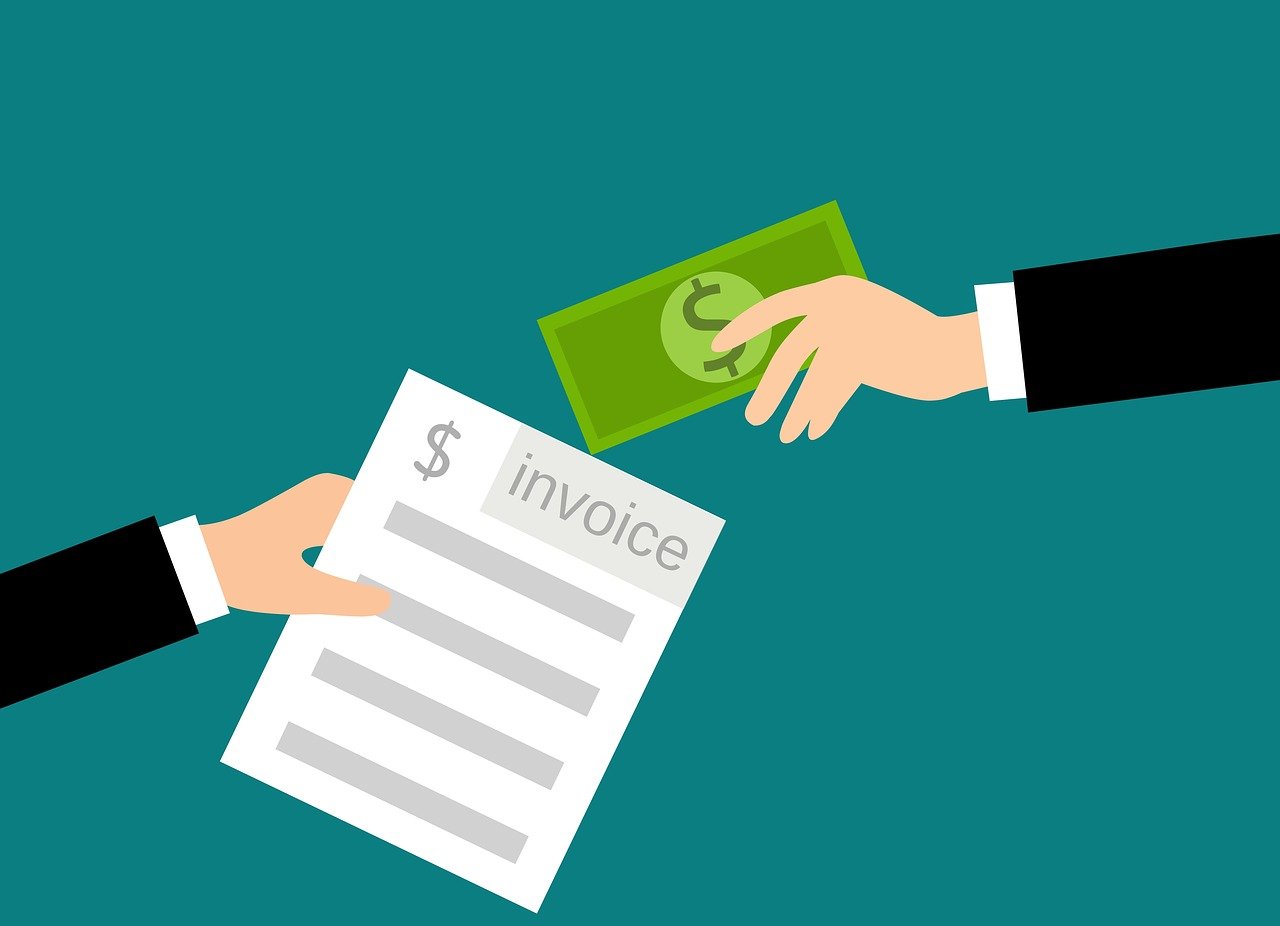

Freelancer’s Guide to Invoicing and Cash Flow Management
Freelancers often face unique challenges when it comes to managing their invoicing and cash flow. Unlike traditional employees, freelancers do not receive a stable paycheck and must actively manage their income. It is essential for freelancers to create an effective invoicing system that ensures they are compensated on time for their work. This system should incorporate best practices, such as detailed invoices that clearly outline the scope of work, hours worked, and payment terms. By keeping track of clients and their payment history, freelancers can avoid late payments and serve clients efficiently. Additionally, using invoicing software can simplify the process and make it easier to create professional-looking invoices that attract timely payments. Set payment terms effectively, typically net 30 days, to encourage prompt payment while allowing clients a reasonable time to process invoices. Furthermore, having clear communication about payment expectations from the start can prevent misunderstandings and foster better client relationships. Overall, mastering invoicing is crucial to maintaining a steady cash flow, which is vital to a freelancer’s financial stability. Regular updates on cash flow forecasts can help freelancers prepare for lean periods.
One key strategy for freelancers is to implement effective cash flow management techniques. Diversifying clients and income sources can significantly reduce financial risk and provide stability. Freelancers should also budget their expenses meticulously each month. Keeping track of fixed and variable costs enables freelancers to forecast their finances better and set aside savings during peak income periods. Additionally, freelancers should consider establishing an emergency fund to cover unexpected expenses or gaps in income. This fund can provide a financial cushion and protect against market fluctuations. Furthermore, using project management tools can assist in tracking project timelines and deliverables, ensuring that no income opportunities are missed. Clients appreciate timely deliveries, and satisfying them can often lead to repeat business or referrals. Invoicing and cash flow management go hand-in-hand with client satisfaction and retention. Entrepreneurs can also explore options like advance payments or deposits, which not only provide cash upfront but also lock clients in for future work. Implementing these strategies can help freelancers smooth out bumps in cash flow and develop a sustainable income while maintaining a healthy work-life balance.
The Importance of Consistent Invoicing
For freelancers, consistent invoicing is vital for financial health. This means issuing invoices regularly and adhering to a well-defined schedule. Whether on a weekly, biweekly, or monthly basis, sending invoices promptly will help maintain cash flow. Clients are more likely to pay their invoices when they receive them immediately following project completion. Moreover, using recurring invoicing for ongoing projects can reduce administrative work and ensure steady income. Using professional templates enhances the appearance of your invoices and fosters a sense of credibility. Freelancers should always make sure to include their business details, such as name, address, and contact information, as well as the client’s information. Details such as invoice number, itemized services, total cost, and payment methods should also be clearly stated. Including due dates and payment instructions makes it easier for clients to process payments. Ensure that your invoices are user-friendly and straightforward to read so that there’s no confusion. Keeping a log of sent invoices can help track payments over time, making it easier to follow up with clients who may accidentally miss a payment. Consistent invoicing truly enhances a freelancer’s ability to thrive financially.
In addition to consistent invoicing, freelancers should invest time in learning about different payment options. Offering multiple payment methods can simplify receiving payments and cater to clients’ preferences. Options like PayPal, Stripe, credit card payments, or direct bank transfers can significantly enhance the client experience. Furthermore, mentioning payment methods in the initial proposal can attract clients, as they appreciate flexibility. Freelancers should also be clear about any transaction fees associated with certain payment methods, so that clients are not surprised. Additionally, invoicing platforms often provide integrated payment solutions, automating the entire process from invoicing to payment. These platforms can help freelancers save time and reduce the potential for human error. Explore invoicing software that includes functionalities like automatic reminders for overdue payments, which can help ensure timely cash flow. Just as crucial is having a contingency plan for managing late payments. Effective communication and follow-ups can result in receiving payments quicker than anticipated. Establishing relationships with clients can further smooth out this process. Some freelancers may also charge interest on late payments to deter delayed responses, ensuring that they remain compensated for their time and effort.
Tracking Expenses and Taxes
A significant aspect of financial planning for freelancers is the meticulous tracking of expenses. Keeping detailed records of expenses can help freelancers manage their finances effectively while also making tax season less daunting. Using accounting software or mobile apps can significantly ease the burden of tracking daily or monthly expenses. Freelancers can categorize expenses into different segments, through which they can closely monitor spending habits. Common freelance expenses might include software subscriptions, office supplies, and travel costs related to projects. By keeping these records updated and organized, freelancers simplify the process of filing taxes, ensuring that they maximize deductible expenses. It is also critical to set aside a percentage of each payment received for taxes. Understanding tax obligations and local regulations is essential, as freelancers are often responsible for managing their own taxes. Keeping in touch with a financial advisor or accountant can provide invaluable insights into effective tax strategies. They can guide freelancers on which expenses qualify as tax-deductible and help them navigate the complexities associated with self-employment taxes. This proactive approach ensures that freelancers remain compliant while maintaining healthy financial practices.
Another vital consideration for freelancers is the need for proper financial forecasting. Having a clear understanding of when payments will be received and bills will become due is essential for maintaining a sustainable cash flow. Utilizing cash flow forecasting tools can help freelancers predict future income and expenses based on past data. With this information, freelancers can make informed decisions about future projects, investments, or potential business expansion. Monthly or quarterly financial check-ups allow freelancers to adjust budgets or spending as necessary, reacting quickly to any financial fluctuations. It is also beneficial to assess client workloads and take note of peak business cycles to forecast periods of downtime. Developing targeted strategies during high-demand periods can help balance income, thereby resulting in consistent earning potential during less busy times. Freelancers might also consider adjusting their service offerings based on forecasts to align with market trends, thus maximizing their revenue potential. Long-term forecasting assists in better planning for personal or business goals. By refining their financial forecasting skills, freelancers can navigate the ups and downs of their income more effectively, leading to overall financial wellness and improved business viability.
Conclusion: Embrace Financial Empowerment
In conclusion, freelancers must embrace proactive financial planning to ensure their long-term success. The right invoicing practices and efficient cash flow management can significantly enhance their financial stability. By adopting consistent invoicing habits, diversifying income sources, and utilizing technology, freelancers can simplify their financial lives. Additional practices such as tracking expenses, exploring flexible payment options, and maintaining a robust financial forecasting strategy provide the necessary framework to navigate the complexities of freelancing successfully. Additionally, having the foresight to prepare for unexpected challenges will set freelancers apart from their competition. As they strive for success in their respective fields, mastering these financial planning techniques can create security and open new avenues of growth. Freelancers should not only focus on maximizing their income but also work on minimizing risk and optimizing their financial health. Reaching out to financial professionals can also add value to their practices. This journey towards financial empowerment equips freelancers with the tools they need to build sustainable careers while enjoying the flexibility that freelancing offers. Ultimately, taking control of their finances empowers freelancers, resulting in decisions that align with their personal and professional aspirations.