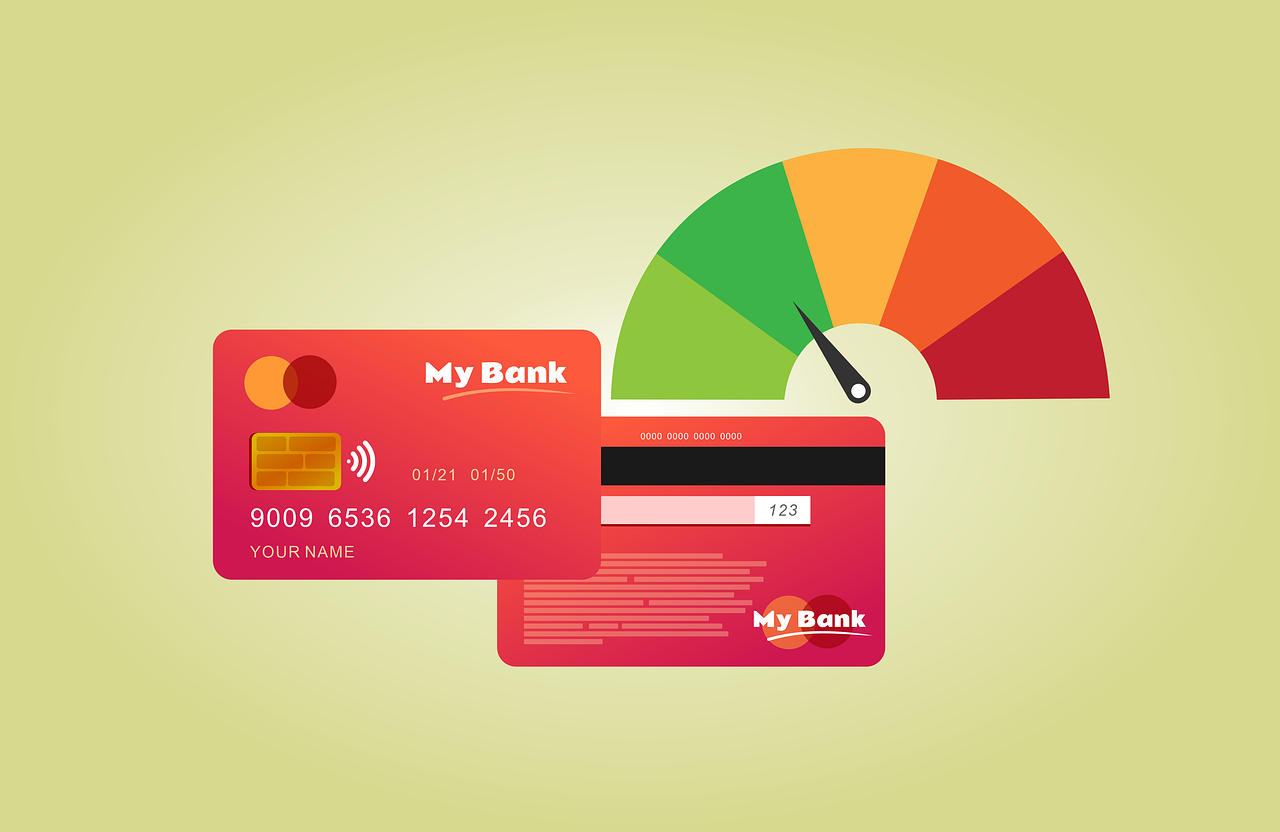

How Student Credit Cards Can Help Young Adults Build Credit
Student credit cards provide a valuable opportunity for young adults to build a positive credit history. Establishing credit early in life is essential for various financial activities, including loans, mortgages, and even renting an apartment. With the right credit card, students can make manageable purchases, ensuring they stay within their budgets. This proactive approach to credit management fosters financial responsibility and literacy. Many student credit cards offer features tailored to younger individuals, such as lower credit limits and educational resources. This opportunity is beneficial as students learn about interest rates, minimum payments, and how to avoid debt traps. Plus, they report to credit bureaus, allowing users to track credit score changes over time. Moreover, a strong credit history will enable students to secure better rates on future loans. Additionally, responsible use will enhance financial standing, bolstering confidence in future monetary ventures. Lastly, students who use their cards wisely develop a greater appreciation for credit management, which aids them in navigating financial landscapes as they transition into adulthood.
In the current educational landscape, managing finances is crucial for students. This is especially true when considering the benefits that come with student credit cards. One of the primary advantages includes rewards programs that incentivize spending. Many cards offer cash-back or points for purchases made; these rewards can be advantageous for students on tight budgets. Understanding how to utilize these programs effectively allows students to maximize their expenditures while also building credit. Additionally, transparency in the cardholder agreements ensures students are aware of interest rates and fees. Low-interest options help mitigate financial strain when carrying a balance, thus fostering responsible repayment practices. Over time, consistent payments can lead to increased credit limits and better terms with financial institutions. Students should compare different card options before making a decision, ensuring they choose one that fits their lifestyle and spending habits. Moreover, having a credit card can create a safety net for emergencies, offering financial flexibility when needed. Cumulatively, these aspects yield long-term advantages that can serve students well beyond their college years.
Managing Credit Wisely
The essence of managing a student credit card wisely lies in understanding its terms and conditions. Many young adults may overlook the small print, which often contains essential details about interest rates, fees, and payment deadlines. Developing a habit of reviewing statements regularly will also aid in identifying unauthorized charges and ensuring awareness of spending habits. Setting up automatic payments, or reminders, for minimum payments helps maintain a positive credit score. Moreover, students can develop the discipline of paying off the entire balance monthly, avoiding interest accumulations altogether. Engaging in discussions about financial literacy can empower students, making them informed consumers. They become aware of the importance of credit utilization ratios and how they impact their scores. Using no more than 30% of the available credit is generally advisable to maintain a healthy score. Furthermore, students can cultivate healthy financial habits that extend into adulthood. This foundational knowledge equips individuals with skills necessary for making future financial decisions, ultimately contributing to a stable financial future.
Another significant aspect of student credit cards is the ability to access various financial resources. Many credit card issuers offer educational resources to help students understand credit scoring, debt management, and budgeting fundamentals. These resources are invaluable as they provide practical tips for navigating the often confusing realm of personal finance. Workshops, webinars, and online tutorials can enhance financial literacy and confidence. Moreover, building credit is an ongoing process, not merely a one-time event. Students must grasp the importance of establishing a long-term strategy. They should monitor their credit reports periodically for accuracy, correcting any discrepancies that may arise. This vigilance fosters a proactive approach, empowering students to take control of their financial futures. Many financial institutions now provide free credit score tracking, making it easier than ever to stay informed. Beyond the classroom, understanding these tools enhances overall financial well-being. Additionally, students can explore opportunities for job-related internships that help improve their financial literacy while simultaneously building their resumes. All these strategies work in harmony to support students as they grow and evolve in their financial journeys.
Leveraging Credit for Future Advantages
Establishing a strong credit history with student credit cards opens doors to numerous future opportunities. For instance, a good credit score can significantly impact rental applications, making it easier for young adults to secure desired housing. Moreover, the benefits extend to potential loans and mortgages. Banks and lenders view established credit favorably, often resulting in lower interest rates for responsible borrowers. Additionally, early engagement with credit enables students to learn the importance of debt-to-income ratios, which are considered when applying for various financial products. Furthermore, creating a diversified credit portfolio creates a solid foundation as one ages. This balance of credit types, including revolving credit and installment loans, reflects positively on creditworthiness. Students should view their student credit cards as a stepping stone, leading to more substantial financial commitments later in life. Understanding how to leverage this credit makes young adults more attractive candidates for future lenders, ultimately streamlining their financial growth. In conjunction with a stable income, a strong credit history empowers students to make informed financial decisions and pursue their dreams without daunting credit obstacles.
Another profound advantage of student credit cards is their potential contribution towards emergency readiness. In unexpected situations, like emergencies, access to credit can provide a crucial buffer. Students can use their credit cards carefully to cover necessary expenses without crippling their budgets. Increasing financial security is critical, especially while managing the high costs often associated with college education. Moreover, this approach can prevent students from delving into alternatives, such as payday loans or other predatory lending practices, known for their high-interest rates and unfavorable terms. Additionally, having credit can facilitate smoother transitions into adult life, such as car purchases or job relocations, and provide necessary funds without overwhelming financial stress. In essence, responsible use of a student credit card is about more than just handling day-to-day expenses. It involves cultivating a broader understanding of fiscal responsibility, developing habits that last a lifetime. By mastering these skills early, students attain a sense of empowerment as they approach their post-educational future. This clarity and confidence make navigating financial landscapes significantly easier.
Conclusion: Invest in Financial Literacy
In conclusion, student credit cards are formidable tools in helping young adults build credit effectively. They offer numerous advantages if used responsibly, crafting a foundation for long-term financial success. Throughout this process, education remains paramount; understanding terms, monitoring usage, and practicing sound management are vital. Furthermore, the focus on continuous improvement through financial literacy will ensure students not only build credit but also develop essential life skills throughout their journey. Embracing opportunities offered by student credit cards allows young adults to take charge of their financial lives and alleviates anxieties around future financial milestones. Ultimately, this proactive approach to credit education prepares students for success in various aspects of their lives. By establishing strong credit early, they’ll position themselves favorably in a competitive world. Transforming these practices into habits equips students with confidence in their financial decisions, enabling them to thrive both professionally and personally. Therefore, investing in financial literacy now sets the stage for a brighter, more secure financial future. As students navigate this pivotal time, the lessons learned will guide them through adulthood and beyond.