
Regulating Online Auctions and Bidding Platforms
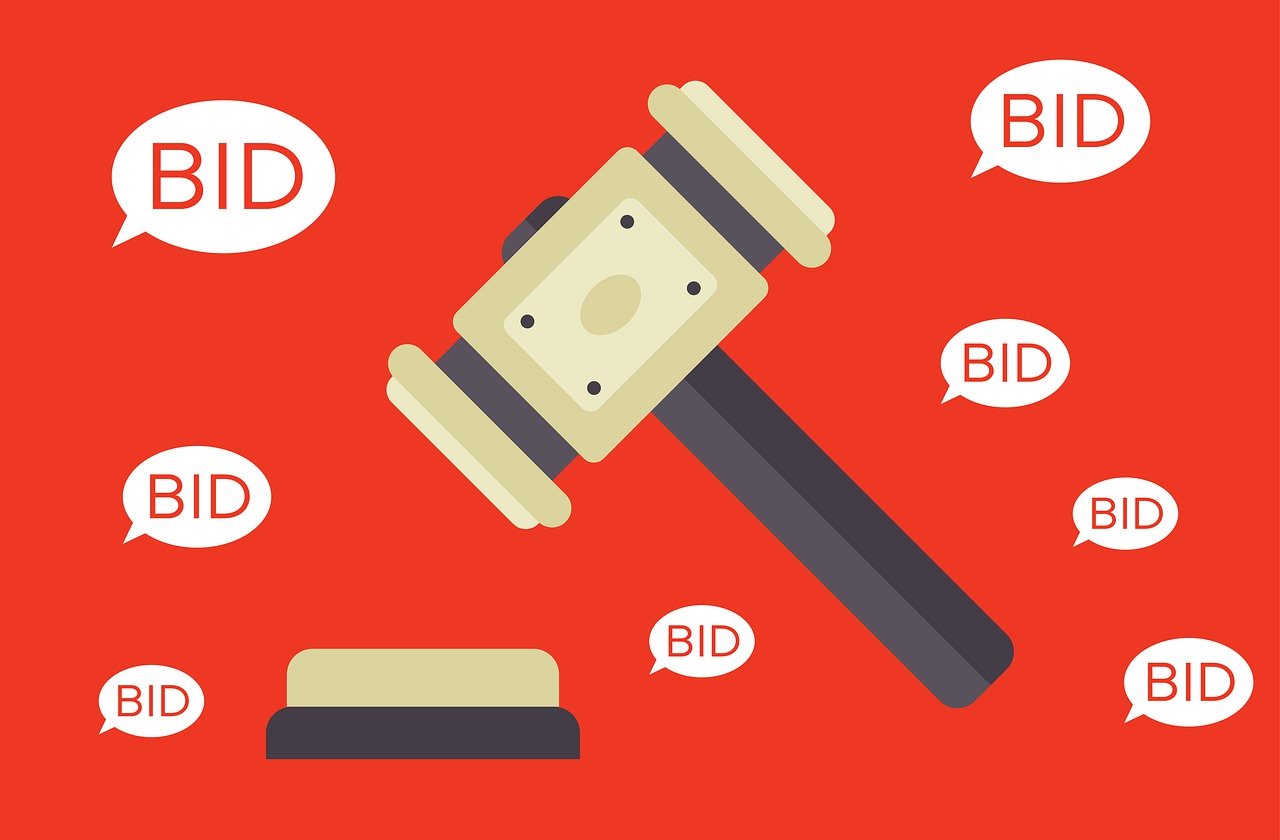
Online auctions and bidding platforms have revolutionized the way people buy and sell goods and services. In an increasingly digital world, consumers often prefer the convenience and velocity of bidding platforms over traditional retail methods. However, the rapid growth of these platforms presents unique regulatory challenges that require careful consideration. First, adequate consumer protections must be established. This ensures that buyers are confident in their purchases, safeguarding them against fraud and misrepresentation. Second, sellers also need to be protected to promote fair competition. Regulations must encompass verification processes that guarantee sellers’ authenticity and product legitimacy. Third, transaction security is essential to maintain users’ trust. Payment methods must be secure and reliable, establishing a safe environment for users to engage in transactions. Finally, there should be transparent policies that govern the auction process, elucidating bids, fees, and any other pertinent information. Issues such as intellectual property rights and sales tax implications also need to be addressed to create a comprehensive framework for online auctions. Overall, a properly regulated auction environment can foster growth, innovation, and trust in the e-commerce sector.
Enforcement of these regulations necessitates collaboration between governments and online platforms. Developing a cohesive strategy that aligns regulatory actions with industry needs is paramount. Stakeholders in the e-commerce domain must form partnerships with regulatory bodies to outline their compliance with local laws and practices. Additionally, educating users about their rights and responsibilities is equally important. Consumer education initiatives impel active participation in self-regulation. Online platforms should also play a pivotal role in innovating protective measures. Incorporating technology such as artificial intelligence can help in identifying fraudulent activities and enhancing transaction security. Furthermore, businesses must embrace diligence when collecting and handling user data and develop privacy guidelines in adherence to data protection laws. Clear communication with users regarding their data usage ensures transparency and fosters trust. Ultimately, an ongoing dialogue between regulators and industry actors will be crucial in adapting to the evolving nature of online bidding. Only through collaboration can a balanced approach be achieved that protects stakeholders while nurturing the growth of this dynamic marketplace. Increased awareness around compliance can also penetrate the educational institutions, highlighting the essentiality of legal frameworks in e-commerce.
Key Legal Considerations in Online Auctions
Two major legal considerations in online auctions are consumer protection laws and intellectual property rights. Consumer protection laws dictate that auctioneers and platforms must provide disclosure about the goods and services offered. This includes accurate descriptions, photographs, and listings. Inadequate disclosure may lead to legal repercussions for platforms, including liability in some countries. Furthermore, buyers must be informed about their rights concerning returns and refunds established by national laws. Intellectual property rights additionally pose significant challenges as they protect creators from infringements. Online auction sites must ensure sellers do not infringe upon copyrights, trademarks, or patents. They should have policies for reporting and addressing breaches effectively. These measures could include swift removal of infringing listings upon notification from rights holders. Failing to uphold these protections can expose auction sites to various lawsuits and potential damages. Additionally, ensuring compliance with international trade laws and regulations is vital. Auction sites facilitating cross-border transactions must navigate multiple legal landscapes while conducting business ethically and responsibly. Hence, robust legal frameworks governing consumer protection and intellectual property are imperative for fostering an equitable e-commerce environment.
Moreover, auctions involve intricate bidding processes that demand clarity and fairness to uphold integrity. Auction platforms require definable rules and regulations to govern bidding activities. Transparency about bidding increments, starting prices, and any reserve prices is essential. Bidders must not encounter sensationalized marketing or misleading information during the bidding process. While the excitement surrounding auctions can drive up prices, ethical practices must guide these platforms to prevent manipulation and exploitation. Fair play encourages healthy competition among bidders, allowing them to trust the process. Regulatory frameworks can reinforce ethical conduct by mandating platforms to establish mechanisms that penalize dishonesty. Such measures may involve suspending or banning deceptive participants to preserve the auction’s integrity. Monitoring activities on these platforms is another strategy to ensure compliance with regulations. Platforms should invest in compliance departments or committees to conduct regular audits and investigations of suspicious activities. Engaging users in the reporting process enhances accountability while creating a secure environment. Efforts to ensure fairness benefit consumers and sellers. Platforms that advocate for fairness nurture customer loyalty, increasing return business and further success.
The Future of Online Auction Regulations
The future of online auction regulations will focus on adapting to emerging technologies and market trends. Regulatory bodies must keep pace with the evolving landscape of e-commerce. For instance, blockchain technology can enhance transparency and security in auctions. Smart contracts enable automatic execution of transaction terms, minimizing disputes. Regulators may need to consider guidelines that integrate such innovative technologies into existing frameworks. As online auctions continue to grow in popularity, policymakers must ensure that these platforms remain safe for users. This means regularly updating regulations to address new issues arising from technological advancements and user behavior. Additionally, regulators will have to balance compliance with business innovation. Encouraging entrepreneurship within regulations can foster creativity in developing novel auction models that better serve consumers. Globalization also underscores the importance of harmonizing regulations across borders. Auction platforms dealing in multiple jurisdictions must navigate diverse legal systems, necessitating collaborative efforts between countries to streamline e-commerce regulations. This convergence of international legal frameworks promotes trust, allowing for seamless transactions. In conclusion, the future lies in proactive regulation involving technology, global cooperation, and creative adaptation to sustain growth in online auctions.
Additionally, consumer empowerment will shape the evolution of online auction regulations. Shifting trends indicate buyers increasingly prioritize ethical considerations, transparency, and sustainability in their commerce. As a response, online platforms must adopt practices that resonate with these modern buyer values. This includes promoting environmentally-friendly products and ensuring fair trade standards. Platforms can enhance their reputation by offering certifications or guarantees regarding the ethical sourcing of products. Acknowledging demands from socially conscious consumers influences how regulations develop. Online auction sites may collaborate to create industry standards that prioritize fair trade and sustainability. Building trustworthy relationships between consumers and sellers fosters loyalty, impacting regulatory approaches by elevating ethical benchmarks. Consumer advocacy groups can also exert pressure on auction platforms to implement reforms that align with societal values. Modern regulations must prioritize long-term welfare instead of short-term gains, nurturing conscientious consumption habits in digital marketplaces. This shift ensures users feel they belong in a community rather than mere transaction participants. Ultimately, consumers will influence regulatory discussions by emphasizing accountability and moral responsibility in online auctions, pressuring platforms to evolve alongside them. Hence, consumer insights will drive the next wave of regulatory transformation.
Conclusion: A Balanced Regulatory Approach
In conclusion, the regulation of online auctions and bidding platforms necessitates a balanced approach that fosters innovation while protecting stakeholders. The unique challenges presented by e-commerce demand a flexible and responsive legal framework. Collaboration between stakeholders in the industry works to create effective and relevant regulations. Maintaining user trust is essential; hence proper consumer protections, transaction security, and transparent auction processes must be prioritized. Long-term growth in the online auction market relies on the establishment of robust legal guidelines that also incorporate innovations such as blockchain and AI, enhancing the security and efficiency of transactions. Furthermore, consumer empowerment and ethical considerations will be essential in shaping future regulations. Addressing these evolving needs brings about responsible bidding communities. Policymakers, industry leaders, and advocates must work together to adapt regulations as online auction platforms become more ubiquitous and influential in the marketplace. An ongoing dialogue will ensure that regulations are practical, relevant, and efficient, allowing users to enjoy the benefits of e-commerce without compromising their rights or safety. By implementing these approaches, the online auction landscape can flourish sustainably and ethically.
The essential collaboration between regulatory bodies, online platforms, and consumers will build a stable foundation for a thriving auction ecosystem. Adhering to best practices, ethical standards, and evolving technological advancements ensure these platforms remain robust and reliable. In this manner, stakeholders can work towards a secure, transparent, fair, and innovative online auction environment reflecting the highest standards of e-commerce integrity. A structured regulatory environment fosters trust among users, which is indispensable for the long-term success of online auctions. Key stakeholders must continuously assess their performance against legal norms and adapt to changing consumer expectations and market dynamics. By fostering a culture of ethical responsibility, online auction platforms can cement their positions as leaders in e-commerce. As consumers gain confidence, they become more willing to engage actively in auction activities, thus driving growth in revenues. A commitment to a balanced regulatory framework is necessary for protecting consumers and encouraging healthy competition among sellers. With an evolving digital landscape, stakeholders must prepare to navigate changes while remaining compliant with legal obligations. Therefore, a cooperative and conscientious community among all participants ensures that online auction platforms thrive and evolve within the bounds of law.