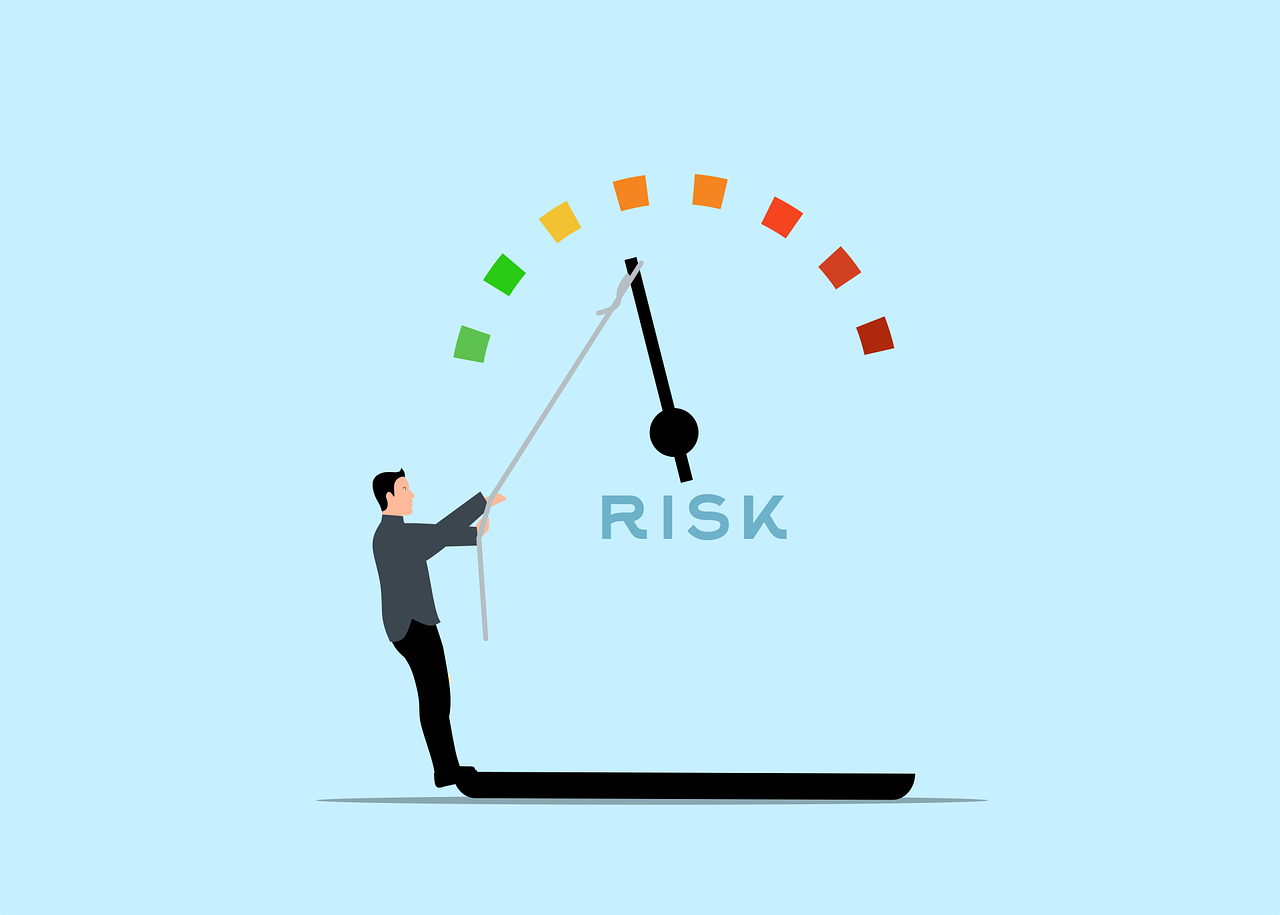

How to Identify Risks in Business Projects
Identifying risks in business projects is crucial for ensuring their success and sustainability. First, you must understand the project scope and objectives clearly. This initiates the risk identification process. Engaging team members and stakeholders in brainstorming sessions can foster a comprehensive risk identification environment. Each participant can provide unique insights based on their experiences, which could reveal potential issues that might not be apparent initially. Documenting these risks meticulously is essential, as it serves as the foundation for further analysis. After identification, categorize the risks into groups based on their nature, such as operational, financial, or technological. This helps prioritize risks that could derail project success. Consider utilizing risk management software to track and manage identified risks effectively. Regularly revisiting the risk register throughout the project life cycle ensures all new risks are captured. Establishing a risk-aware culture within your team promotes proactive risk management. Train your team on identification techniques and the importance of communication regarding risks. Ultimately, risk identification is an ongoing process that requires vigilance throughout project management to mitigate potential impacts before they arise.
After identifying risks, it’s vital to analyze each risk’s potential impact on the project. Create a risk assessment matrix, which allows you to evaluate risks based on their likelihood and consequence. Start by assigning each identified risk a probability score, determining how likely it is to occur. Then, evaluate its impact on the project by choosing a score that reflects how detrimental it could be. Not all risks are created equal; some may have severe consequences while others are minor inconveniences. Using a scoring system can help further prioritize your attention on high-impact risks. Engage with your team to broaden perspectives, ensuring that no significant risks are overlooked. Once the risks are analyzed, it’s crucial to assign owners, who will be responsible for monitoring and managing specific risks. They will also be accountable for implementing mitigation strategies. Continuous monitoring of these high-priority risks is essential. Schedule regular reviews to assess changes in the status of these risks throughout the project. Adjust strategies accordingly to adapt to new circumstances or information. This iterative approach to risk management equips your team to tackle challenges effectively.
Strategies for Mitigating Risks
Once risks have been identified and analyzed, the next step is developing strategies to mitigate these risks effectively. Developing a risk response plan tailored to each identified risk is crucial for proactive risk management. There are several strategies you can adopt, such as avoidance, mitigation, transfer, and acceptance. Avoidance involves changing the project plan to eliminate the risk entirely. This could mean altering schedules, resources, or methods to sidestep potential issues. Mitigation strategies focus on reducing the probability or impact of the risk occurring. Tips for effective mitigation include thorough planning and contingency budgeting to buffer against uncertainties. Transfer involves shifting the risk to a third party, often through insurance or outsourcing. Acceptance means acknowledging the risk but deciding to proceed, understanding this can be managed either through contingency plans or a risk reserve. Document these strategies in your project risk management plan, providing clarity and a roadmap for your team. Communicate these strategies regularly, keeping everyone aligned on the responses to be executed as needed throughout the project’s lifecycle.
Additionally, continuous monitoring and review of risks is critical for successful project management. Regularly evaluate the risk environment for any changes in severity or likelihood, potentially triggered by various project developments. Schedule risk review meetings throughout the project to revisit the identified risks, their assessments, and the effectiveness of the mitigation strategies deployed. Encourage open communication within the team, allowing members to share insights or concerns regarding potential new risks that may arise. Adapt your strategies when necessary to align with project progress and changing circumstances. Utilizing technological tools for this purpose can enhance tracking efficiency. These tools can alert the team to any significant changes or emerging risks. Also, keep abreast of industry trends, as these can introduce new risks or change the nature of existing ones. A more agile risk management approach allows your team to stay ahead of critical issues. Ultimately, your goal is to maintain a proactive stance in risk management, ensuring that your project can adapt and continue toward its intended success, mitigating any adverse effects when they arise.
The Role of Communication in Risk Management
Effective communication serves as a cornerstone in managing project risks. Establishing clear communication protocols can ensure that risks are reported, discussed, and managed promptly. Making sure that all team members understand their roles in risk management fosters accountability and vigilance. Schedule regular tune-in meetings, where the project status, risks, and mitigation efforts are discussed openly, allowing the team to articulate their thoughts or concerns. This initiative will enhance the identification of potential risks and the refinement of management strategies. Create an inclusive environment where team members feel encouraged to communicate any observations that could lead to risk identification. Additionally, consider involving external stakeholders in communication regarding potential risks, which can aid in comprehensive risk assessment. Establishing channels for feedback can also lead to identifying risks that may be overlooked internally. Utilize project management tools that facilitate communication and documentation, ensuring that every risk is recorded and tracked appropriately. Transparency throughout the risk management process not only aids in managing existing risks but builds trust and reinforces the importance of collective responsibility in safeguarding project success.
Furthermore, employing a systematic approach towards risk management can significantly enhance the effectiveness of your project. Implementing frameworks or methodologies designed for risk management provides structure and consistency. One such framework is the Project Management Institute’s (PMI) risk management process, which includes risk identification, analysis, response planning, and monitoring. Utilizing this process improves clarity and fosters alignment within the team regarding risk handling. Additionally, regular training sessions for your team can prepare them to handle unexpected challenges efficiently. Familiarization with risk management techniques will empower your team to identify risks objectively and develop appropriate responses quickly. Encouraging a culture of resilience reinforces the team’s confidence in tackling adversity, especially in complex projects. Learning from previous projects can also provide rich insights; conducting post-mortems allows you to capture lessons learned and apply them to future endeavors. Documentation of these lessons helps establish a risk repository that the team can reference in future projects. Ultimately, systematic risk management is imperative in navigating uncertainties, ensuring your project remains on track, and achieving desired outcomes.
Conclusion on Risk Identification
In conclusion, identifying risks in business projects is a multifaceted process that requires collaboration, communication, and ongoing vigilance. Embracing a structured methodology for risk management fosters team awareness and promotes proactive risk handling. By understanding the project landscape, engaging stakeholders, and analyzing potential risks, you lay the groundwork for successful project execution. Implementing effective strategies, monitoring risk changes, and enhancing communication becomes integral in mitigating the impact of risks. As projects evolve, remaining adaptive to new challenges and lessons learned allows teams to strengthen their risk management processes continuously. Cultivating a risk-aware culture within the organization ensures that all team members remain engaged and committed to the success of their projects. This collective effort toward managing risks can lead to improved project outcomes, increased stakeholder confidence and stronger organizational resilience against unforeseen obstacles. Remember that risk management is not a one-time effort but a continuous journey that should evolve with each project undertaken. By championing this practice, organizations position themselves strategically to navigate challenges while achieving their goals efficiently.
Furthermore, authorities recommend embracing a holistic view of risk in project management. This entails considering all potential risk sources, both internal and external. By adopting a more comprehensive assessment approach, project managers can ensure that no fundamental aspect is ignored. Investing in ongoing education for staff and stakeholders enhances the overall aptitude for recognizing risks. Regular training exercises can improve risk perception across the organization, securing a foundation for better decision-making as risks are identified. Encouraging interdisciplinary collaboration helps broaden perspectives and informs on risk, bringing in varied expertise from different fields. Support systems, like mentoring programs or partnerships with risk management experts, can also develop richer outcomes. Staying current with market dynamics and shifts in industry standards can be beneficial in recognizing patterns that may signal emerging risks. Encourage your team to be proactive rather than reactive where possible, as anticipating risks often leads to more effective management. The practice of regular reviews and updates to risk assessments can aid in adapting strategies based on current data. By remaining engaged and informed about risk, you cultivate a strong capacity to steer projects to success.