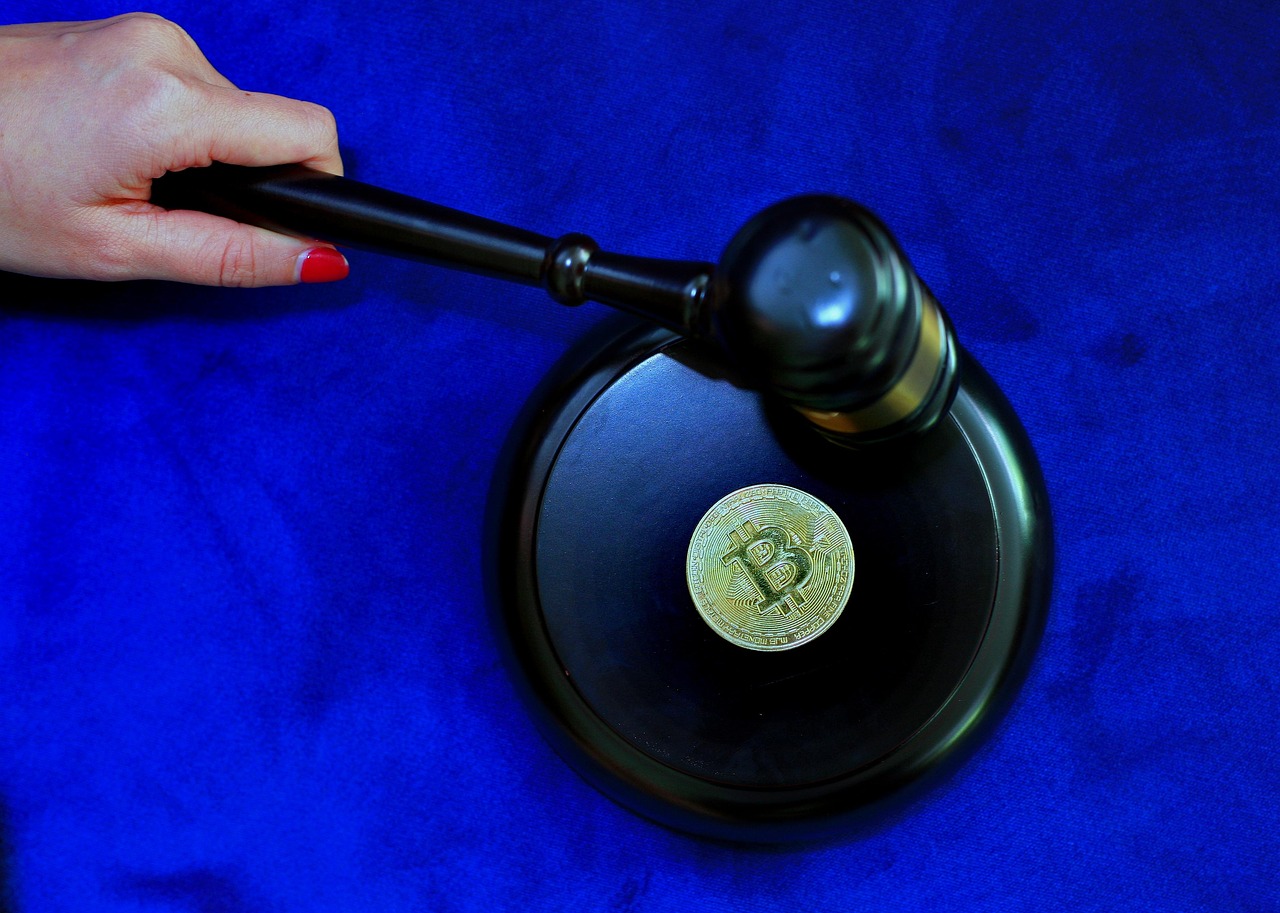

The Impact of Derivatives Regulation on Market Stability
The regulation of derivatives has become a focal point in the financial sector. Since the 2008 financial crisis, many regulators have pushed for more adherence to prudent fiscal practices. These regulations aim to enhance transparency, reduce systemic risk, and improve market stability. Derivatives, which can range from swaps to futures and options, are often seen as high-risk instruments, contributing to the volatility seen in financial markets. Thus, establishing stringent guidelines is crucial to manage these risks effectively. Regulators seek to curb excessive speculation while allowing sufficient flexibility for genuine hedging purposes. The introduction of clearinghouses has also been a significant aspect of these regulations. They serve to centralize the clearing of derivative transactions, thereby mitigating counterparty risk. Moreover, the reporting obligations encourage market participants to necessitate clear disclosures. Nevertheless, too much regulation could stifle innovation and liquidity in the markets. Thus, finding a balance is essential. The impact of these regulations has been profound, requiring ongoing evaluation to ensure they meet the intended objectives without causing unintended market friction. Stakeholder engagement will play a critical role in shaping regulatory frameworks as the market evolves.
A key aspect of derivatives regulation focuses on credit risk management. Credit risk arises when one party fails to meet its payment obligations. To address this, regulatory bodies have implemented comprehensive margin requirements. Margins act as collateral to cover potential losses, providing a safety net for market participants. Both initial margins and variation margins are critical to ensuring adequate coverage against market fluctuations. These margin requirements necessitate that parties regularly assess their risk exposure, which could stabilize market behavior over time. In addition, clearinghouses not only facilitate transactions but also enforce these margins effectively. There are also implications for capital requirements for banks involved in derivative trading. Stricter regulations mean that banks must maintain higher levels of capital, which can impact their lending capacity. However, the increase in capital serves to bolster financial stability by providing a cushion during financial turmoil. Regulatory authorities continuously adapt these measures based on market conditions and risk dynamics. Such ongoing adjustments ensure that the regulations remain relevant and effective over time. Overall, the reformed approach to credit risk management represents a significant shift towards greater accountability within the derivatives market.
The Role of Transparency in Market Stability
Transparency is pivotal in the functioning of financial markets and contributes to their stability. In the context of derivatives, enhanced transparency is essential for building trust among market participants. The regulations mandate increased reporting of transactions and holdings, providing greater visibility into market activities. This visibility helps regulators monitor systemic risks and enforce compliance effectively. Participants can evaluate market trends and counterparty risks by accessing detailed information on derivatives positions. Furthermore, transparency reduces the likelihood of market manipulation, as data accessibility enables informed decision-making. Market participants, including investors and major institutions, generally favor these transparency measures. However, they need to balance disclosure obligations with maintaining competitive advantage. Excessive disclosure might deter traders due to potential exposure of sensitive strategies. Thus, regulatory measures must ensure that transparency does not compromise the competitive landscape. The evolving technology landscape also plays a role in enhancing transparency. Advanced analytics and reporting tools can streamline the information-sharing process. As the demand for transparency in financial markets increases, regulators are tasked with leveraging technology effectively. Consequently, adopting technological solutions can reinforce market integrity and stability while fostering a fair trading environment.
Another critical factor in derivatives regulation is the concept of systemic risk. Systemic risk refers to the potential for a failure in one part of the financial system to trigger widespread instability or collapse. The interconnected nature of financial institutions makes it vital to identify and mitigate such risks effectively. Regulations targeting derivatives aim to limit these potential cascading effects within the market. For instance, banks and financial firms are required to conduct stress tests and risk assessments regularly. Such comprehensive evaluations ensure they are prepared for adverse market conditions. Additionally, derivatives are increasingly subject to rigorous scrutiny regarding their contribution to systemic risk. Certain instruments can amplify market risks, especially during economic downturns. Consequently, regulatory measures must address these complexities through ongoing adjustments. The implementation of stress testing protocols serves as a significant step in ensuring that financial institutions remain robust amidst crises. Overall, the continuous evaluation of systemic risk associated with derivatives is crucial for fostering a stable financial ecosystem. Future directives will likely focus on refining risk assessment methodologies, enabling better preparedness against potential shocks in the market.
Global Coordination in Derivatives Regulation
In today’s interconnected world, global coordination in derivatives regulation is more important than ever. Financial markets are not constrained by borders, making unilateral regulatory approaches less effective. Harmonizing regulations across jurisdictions could provide a more stable and reliable trading environment. Initiatives like the G20 commitments emphasize the need for international collaboration to reduce risks inherent in the derivatives market. Furthermore, organizations such as the Financial Stability Board (FSB) play a pivotal role in promoting consistent standards globally. Regulatory arbitrage often occurs when participants exploit differences in regulations across countries. Hence, coordinating measures can reduce such practices and enhance market integrity. However, achieving this level of coordination poses various challenges. Each jurisdiction has its economic contexts and financial systems that necessitate local adaptations. Balancing local interests with global standards remains a delicate endeavor. Nonetheless, ongoing discussions among regulators, industry stakeholders, and international organizations can pave the way toward solutions. Ultimately, strengthened international cooperation could foster a more stable derivatives market and help avert future crises effectively. The effort required in this domain underscores the complexity of financial regulation in a globalized world.
Moreover, the role of technology cannot be overstated in influencing derivatives regulation. Technological advancements have changed the dynamics of trading, risk management, and compliance. Automated trading platforms and algorithms can greatly enhance efficiency and market efficiency. However, they also raise new challenges regarding oversight and strategy transparency. Regulatory bodies must continuously update their frameworks to address these technological changes adequately. For instance, the rise of fintech has introduced innovative derivatives products that require tailored regulations. Additionally, utilizing big data analytics can significantly improve risk management procedures. Through real-time data analysis, firms can identify risks more efficiently and adapt strategies accordingly. The integration of technology thus represents an opportunity to bolster regulatory compliance too. Furthermore, leveraging blockchain technology can improve transparency, allowing transactions to be recorded in immutable ledgers. Such advancements will likely redefine the requirements of reporting and risk assessments. Nevertheless, regulators face the challenge of ensuring that innovation doesn’t outpace oversight. Balancing technology’s benefits with regulatory mandates will be crucial as the derivatives landscape evolves. Future regulations will likely integrate technology seamlessly, ensuring that they are effective in a rapidly changing market environment.
Future Outlook for Derivatives Regulation
The future of derivatives regulation holds significant implications for market stability. As global markets continue to evolve, regulatory bodies must adapt proactively to emerging trends and risks. Increased focus on sustainability and environmental considerations may influence how derivatives are traded and classified. Furthermore, the growing prominence of cryptocurrencies also demands innovative regulatory approaches. These digital assets blur the lines between traditional finance and innovative financial instruments, necessitating a fresh perspective in regulation. Moreover, institutional investors continue to adopt derivatives for risk mitigation and yield enhancement. Thus, regulators must ensure that safeguards are in place to protect both individual and institutional investors. While enhancing market efficiency, regulations must minimize potential conflicts of interest and maintain market integrity. As the regulatory landscape progresses, collaboration among jurisdictions will become increasingly vital. Coordinated efforts can help identify systemic risks promptly and enhance the effectiveness of regulatory frameworks. Clearly, the balancing act between regulation and market efficiency will remain a central theme. The aim will be to create a regulatory environment that fosters innovation while ensuring financial stability for the wider economy. Continuing stakeholder engagement will be essential as the financial markets transform in the coming years.
Ultimately, the impact of derivatives regulation on market stability cannot be overstated. Striking an appropriate balance between stringent regulations and market flexibility is critical. While regulations are essential for ensuring safe trading environments, excessive restrictions can hinder market growth. The dynamic nature of financial instruments such as derivatives necessitates ongoing reviews and adjustments to regulations. Moreover, industry participation is crucial in shaping these regulations going forward. Market participants must provide insights into regulatory impacts and propose solutions to enhance existing frameworks. Continuous dialogue among regulators, industry experts, and stakeholders can facilitate better regulatory outcomes. Additionally, as we enter an increasingly technology-driven marketplace, embracing innovation while enforcing accountability will be essential. The ultimate objective is to create a resilient, efficient derivatives market that safeguards against potential crises. Fostering collaboration among regulators on a global scale can strengthen overall financial stability. Investment in regulatory technology and infrastructure will also enhance compliance efforts and reporting capabilities for all market participants. As the landscape continues to unfold, the collective focus should be on achieving lasting stability within the derivatives market, ultimately benefiting the wider financial ecosystem.