
The Role of GDP Growth in Stock Market Performance
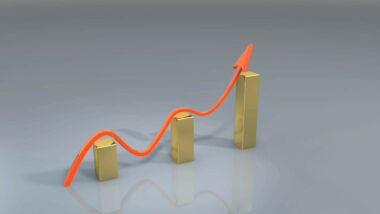
Gross Domestic Product (GDP) growth is a crucial indicator of a nation’s economic health, strongly affecting stock market performance. Investors closely monitor GDP growth rates as they reflect how well an economy is doing. In general, a rising GDP signifies that businesses are thriving and consumers are spending more. Consequently, the stock market tends to rise in alignment with positive GDP performance. A healthy GDP growth rate can lead to an expansion of corporate profits, which may result in greater investments and higher stock prices for a multitude of companies. Furthermore, during periods of robust GDP growth, investors generally feel more confident in market stability, which can foster increased participation in the stock market. This upsurge in investor interest subsequently can lead to higher stock valuations across various sectors. It is essential, however, to recognize that GDP growth rates alone do not dictate market movements. Global events, interest rates, and inflation also play substantial roles in shaping market conditions. For this reason, while GDP is a vital metric, analysts emphasize considering it alongside other indicators for comprehensive analysis.
Understanding the GDP growth rate is not merely about the numbers; it is about how these figures impact investor sentiment. A high GDP growth rate can foster optimism, encouraging individuals and companies to invest more aggressively in stocks. When investors believe that the economy will continue to improve, they are more likely to allocate their resources towards the stock market. Conversely, a slowdown in GDP growth can spark fear and uncertainty, prompting investors to liquidate their holdings. The psychological aspects of investing cannot be understated, as market perceptions often drive performance as much as hard data. Analysts often study historical data to understand how GDP growth correlates with stock market uptrends and downtrends. Historical patterns often reveal that prolonged periods of GDP growth are frequently followed by substantial bull markets. However, it is equally vital to note that external factors such as geopolitical events, changes in government policy, and technological advancements can influence the market far beyond GDP figures alone. Therefore, a nuanced approach combining GDP insights with broader economic indicators is essential for informed investment decisions.
Sector Performance and GDP
Different sectors respond uniquely to changes in GDP growth. For instance, cyclical sectors like consumer discretionary and industrials usually perform well during periods of high GDP growth. Investors tend to spend more on luxury items and services when the economy is booming, benefiting companies in those sectors significantly. This performance contrast illustrates the necessity of sector analysis in conjunction with GDP growth. On the other hand, defensive sectors, such as utilities and healthcare, tend to remain stable regardless of economic shifts. These sectors provide essential services, making them less sensitive to fluctuations in GDP. Therefore, a thoughtful portfolio strategy often includes a mix of both cyclical and defensive stocks in accordance with the prevailing GDP landscape. Importantly, anticipating sector rotation is crucial; investors need to adapt their strategies according to the economic conditions that GDP growth dictates. This adaptability can help safeguard investments against downturns while maximizing gains during economic expansions. Regular monitoring of sector performance relative to GDP can empower investors to make strategic adjustments, enhancing portfolio resilience and potential returns.
Furthermore, government fiscal policies and central bank monetary policies often correlate with GDP growth. For instance, the implementation of expansive fiscal policies, such as increased government spending or tax cuts, usually promotes higher GDP growth. In such cases, the stock market often responds favorably, reflecting investor confidence bolstered by favorable policies. Additionally, low-interest-rate environments foster borrowing and spending, further stimulating GDP growth and stock market performance. Therefore, discerning how these policies interact with GDP growth is fundamental for investors seeking optimal stock returns. However, investors must remain vigilant, as overly aggressive fiscal or monetary policies can lead to inflationary pressures that may adversely impact economic growth in the long run. Balancing stimulus efforts while managing inflation risks creates a complex landscape that investors must navigate. Thus, along with GDP growth, monitoring policy shifts is vital for making educated investment decisions. Investors should conduct thorough analyses, considering not only GDP growth, but also the underlying economic context and policies influencing this growth trajectory, leading to more effective stock market strategies.
International Comparisons of GDP
Comparing GDP growth rates across countries provides essential insights into global market dynamics. Nations with consistently strong GDP growth are often viewed as attractive destinations for foreign investment. Investors frequently assess these countries for growth opportunities, facilitating capital inflows that bolster stock markets. Conversely, economies experiencing stagnation or contraction may see asset withdrawals as investors seek better returns elsewhere. The fluctuation in foreign investments associated with varying GDP growth rates often leads to currency valuations, influencing capital markets globally. Moreover, disparities in GDP growth highlight potential emerging markets attracting additional investment. Countries like India and Brazil boast higher growth rates compared to developed economies, prompting many investors to consider diversifying their portfolios. Understanding how GDP growth impacts global stock trends is vital for institutional and retail investors alike. For example, a robust growth performance in a specific region may influence the expansion of multinational corporations, showing the interconnected nature of global markets. Consequently, staying informed on international GDP data can yield valuable insights that help investors better position themselves amid global economic shifts and trends.
In conclusion, GDP growth plays a pivotal role in shaping stock market performance while intertwining with various factors. While the relationship between GDP growth and market movement is generally correlational, investors must take a holistic approach. Ignoring other economic indicators can lead to misinformed decisions; thus, comprehensive analysis remains paramount. For example, inflation indexes and employment statistics work alongside GDP figures, collectively offering a clearer outlook on market dynamics. Moreover, understanding sentiment and behavioral finance offers deeper insight into investor reactions to GDP performance. Both quantitative data and qualitative factors impact investment strategies and outcomes significantly. Thus, investors must be well-rounded in their approach, as reliance solely on GDP growth could yield misleading conclusions. Future research could focus on refining models that include not just GDP growth but also behavioral factors, fiscal strategies, and global variables such as trade balances. As markets continue to evolve, staying adaptable and informed equips investors to better navigate the complexities of the stock market influenced by GDP growth. Future observations in this regard will undoubtedly refine investment methodologies in the world of finance.
The Future of GDP and Stock Markets
Looking ahead, the evolving global economic landscape will undoubtedly shape the dynamics of GDP and stock markets. Investors must remain agile, adapting to not just current GDP trends but also predicted future economic developments such as technological advancements and demographic changes. These factors have the potential to alter consumer behavior significantly and, in turn, influence GDP growth patterns profoundly. As innovations continue to disrupt traditional business models, sectors that previously thrived may face challenges while new industries emerge. Analysts must monitor advancements in automation, artificial intelligence, and sustainable energy, as these sectors may drive future GDP growth. Importantly, geopolitical influences such as trade policies and diplomatic relations will also impact growth rates and stock performance across borders. Investors should remain engaged with global trends and shifts that could affect GDP in their respective regions. Growing awareness of ESG (environmental, social, governance) factors will also shape investment choices, influencing which companies thrive in an era of conscious consumerism. By considering these multifaceted layers, investors can secure their positions and adapt their strategies to harness opportunities, maximizing returns in the long term.
In summary, the connection between GDP growth and stock market performance illustrates the complex interplay of economic indicators and investor behavior. Analyzing past trends alongside anticipated future developments shapes a more effective investment strategy. Continuous monitoring of GDP rates, coupled with the awareness of fiscal and monetary policies, equips investors to better predict market movements. This understanding cultivates informed decision-making and a refined approach to asset allocation based on comprehensive economic assessments. As GDP growth remains a critical component in evaluating market potential, it is essential for investors to integrate this knowledge into their broader investment framework. A diversified strategy will not only involve analyzing GDP growth but will also take into account sector performance, global comparisons, and emerging technologies. The ongoing pursuit of economic insights can prove invaluable, transforming market understanding, ultimately benefiting risk management and long-term returns. For investors, maintaining a sustainable outlook while navigating economic uncertainties will be integral to achieving financial goals in any market environment. Over time, developing adaptable strategies grounded in GDP and its related analyses empowers investors to thrive, fostering resilience in their portfolios amidst evolving market dynamics.