
Understanding Bankcard Credit Scores and Their Importance
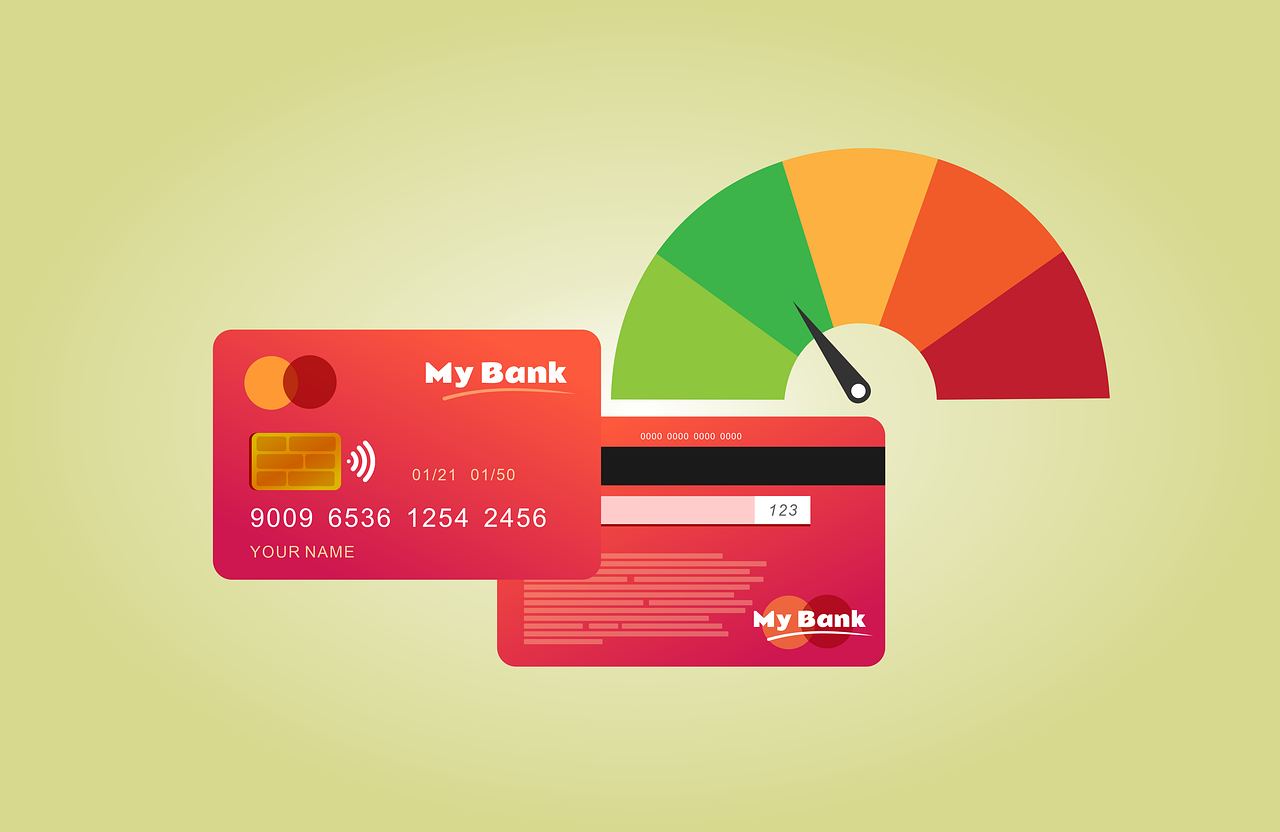
Bankcard credit scores are a specialized type of credit scoring model that banks and financial institutions use to evaluate creditworthiness for credit card applicants. These scores typically range from 300 to 850, with higher scores indicating greater creditworthiness. Understanding the various factors that contribute to bankcard credit scores is essential for consumers, particularly because credit card accounts play a vital role in personal finance management. Bankcard credit scores are influenced by a number of elements, including payment history, credit utilization ratio, length of credit history, types of credit accounts, and whether any recent inquiries have been made about the individual’s credit. These scores not only impact the likelihood of approval but also affect the interest rates and terms offered. Consumers with higher scores usually benefit from lower interest rates and better terms. Conversely, individuals with lower scores may have difficulty securing credit, and if approved, may face higher fees and interest rates on their accounts. Understanding these dynamics can empower consumers to manage their credit responsibly and seek out solutions to improve their scores over time.
One critical component of bankcard credit scores is the payment history, which accounts for a significant percentage of the overall score calculation. A history of on-time payments reflects positively and can significantly enhance a score. Conversely, late payments, defaults, and bankruptcies can have a detrimental impact. Thus, it is essential for consumers to maintain a track record of timely payments. Consumers can also benefit from regularly reviewing their credit reports, as it allows them to identify and rectify any inaccuracies that may negatively influence their score. Besides payment history, credit utilization is another key factor; this metric gauges the ratio of outstanding credit balances to the total available credit limit. Ideally, consumers should aim to maintain a utilization rate below 30%. Keeping balances low can speak volumes about responsible credit management. Additionally, maintaining older credit accounts can contribute positively to one’s score, as a longtime history of managing credit responsibly demonstrates fiscal responsibility and reliability. Thus, for consumers seeking optimal bankcard scores, it becomes crucial to grasp these factors and act prudently.
The Role of Credit Utilization in Bankcard Scores
Credit utilization is a vital aspect that directly affects bankcard credit scores; it essentially represents how much credit you are using relative to your credit limits. Financial experts generally recommend keeping your utilization below 30% across all credit accounts, including credit cards. For instance, if you have a total credit limit of $10,000, maintaining a balance of $3,000 or less is advisable. This practice not only portrays you as a responsible borrower but also improves your score over time. Strategies for managing credit utilization effectively include making multiple smaller payments throughout the month rather than waiting for the due date, which can help keep balances low. Additionally, increasing your credit limits when possible can lower your ratio without needing to decrease your spending. Regularly monitoring your credit card statements will allow you to watch your spending and adjust accordingly. Understanding how this element of your credit score functions can help you take specific actions to bolster your financial health. By being mindful of your usage and adjusting your habits, you can work toward improving your bankcard credit score.
Another important element that impacts bankcard credit scores is the length of your credit history. A longer credit history generally showcases your experience with managing credit responsibly. Lenders often view a longer credit history as a sign of stability and reliability in making payments on time. Factors that contribute to credit history length include how long your oldest account has been open and the average age of all your accounts. It’s beneficial to avoid closing older credit card accounts since doing so can reduce the length of your credit history. Even if you don’t use a specific account regularly, keeping it open can be advantageous. On top of this, the number and types of accounts you have also play a role; a diverse mix of credit types, such as revolving credit (credit cards) and installment loans (like mortgages and auto loans), can positively impact your score. As such, individuals should aim to have a healthy mix while maintaining positive payment behavior across all accounts. Being strategic with how you manage your credit history can have significant implications for your score.
The Impact of Credit Inquiries on Scores
Credit inquiries can also affect bankcard credit scores and should be understood by consumers wanting to improve their scores. There are two types of credit inquiries: hard inquiries and soft inquiries. Hard inquiries occur when lenders review your credit report to make a lending decision. They can negatively impact your score for a short period, roughly five points per inquiry. On the other hand, soft inquiries do not have an effect on your credit score; these often happen during background checks or pre-approved offers. Limiting hard inquiries is essential, particularly when applying for new credit cards or loans. To mitigate their impact, it’s advisable to space out applications for credit, allowing sufficient time between each request. Additionally, consumers should be aware that multiple inquiries for the same type of credit within a short timeframe (like mortgage or auto loan shopping) may be treated as a single inquiry. This practice encourages responsible shopping without severely affecting scores. Understanding how inquiries influence credit can inform a more strategic approach when seeking new credit and help maintain a healthy credit score.
To enhance one’s bankcard credit scores, consumers must adopt a holistic approach that combines understanding scoring factors with proactive financial management. Regular monitoring of credit reports enables individuals to catch errors early and dispute inaccuracies. Free credit report services are widely available and allow for periodic reviews. Creating a budget that includes all spending, saving, and debt repayment plans can help maintain control and avoid accumulating debt. This plan should also include prioritizing debt repayment strategies, such as the snowball method or the avalanche method, to manage outstanding balances efficiently. Another vital practice is setting up reminders for payment due dates to prevent late payments, as missed payments can have lasting negative effects. Automated payments can help ensure consistency in payment behaviors, allowing consumers to maintain good standing with their creditors. Furthermore, consumers could benefit from engaging educational resources—reading financial literature or attending workshops on credit management. This ongoing education helps consumers better their understanding of credit nuances, thereby empowering them to make informed decisions and improve their bankcard credit scores.
Conclusion: The Importance of Bankcard Credit Scores
In conclusion, understanding bankcard credit scores is crucial for consumers aiming to manage their financial health effectively. These scores influence not just the approval of credit cards but also the terms and interest rates associated with new accounts. By staying informed about the key factors affecting these scores, consumers can take active measures to improve them and avoid common pitfalls. Maintaining timely payments, managing credit utilization, monitoring credit history, and being strategic with credit inquiries will all contribute to a healthier credit score. Remaining educated about trends in credit scoring, along with adopting proactive financial habits, prepares individuals for a brighter financial future. Good bankcard credit scores can lead to more favorable lending terms, enhancing opportunities to borrow money at reasonable rates, furthering personal or business aspirations. Hence, the link between understanding scores and managing personal finance is vital. By committing to consistent financial discipline and ongoing education about credit, individuals can secure their financial futures while realizing their goals. Vibrant credit health becomes an attainable goal through these essential practices.
As an added resource, consumers looking to improve their understanding of bankcard credit scores may consider consulting professionals or reliable online platforms specializing in financial literacy. Websites that focus on credit management often provide tools and simulators that can help consumers visualize how their actions may affect their scores. Resources may include educational articles, interactive quizzes, and practical tips tailored to individual needs. Peer forums and discussions about personal finance can additionally offer valuable insights from others with experience in credit management. Implementing knowledge gained from these platforms can facilitate better decision-making and improve financial habits. Utilizing chatbots or virtual assistants designed to answer questions regarding credit or debt management can also promote efficiency in learning. For those unsure about their financial situation, seeking personalized advice from certified financial planners or counselors can guide tailored steps toward achieving better credit outcomes. By fostering an environment of continuous learning and adaptation, individuals can navigate the complexities of credit scores more effectively and ensure their financial decisions contribute positively to their overall credit health.