
Using Technical Analysis to Identify Market Corrections
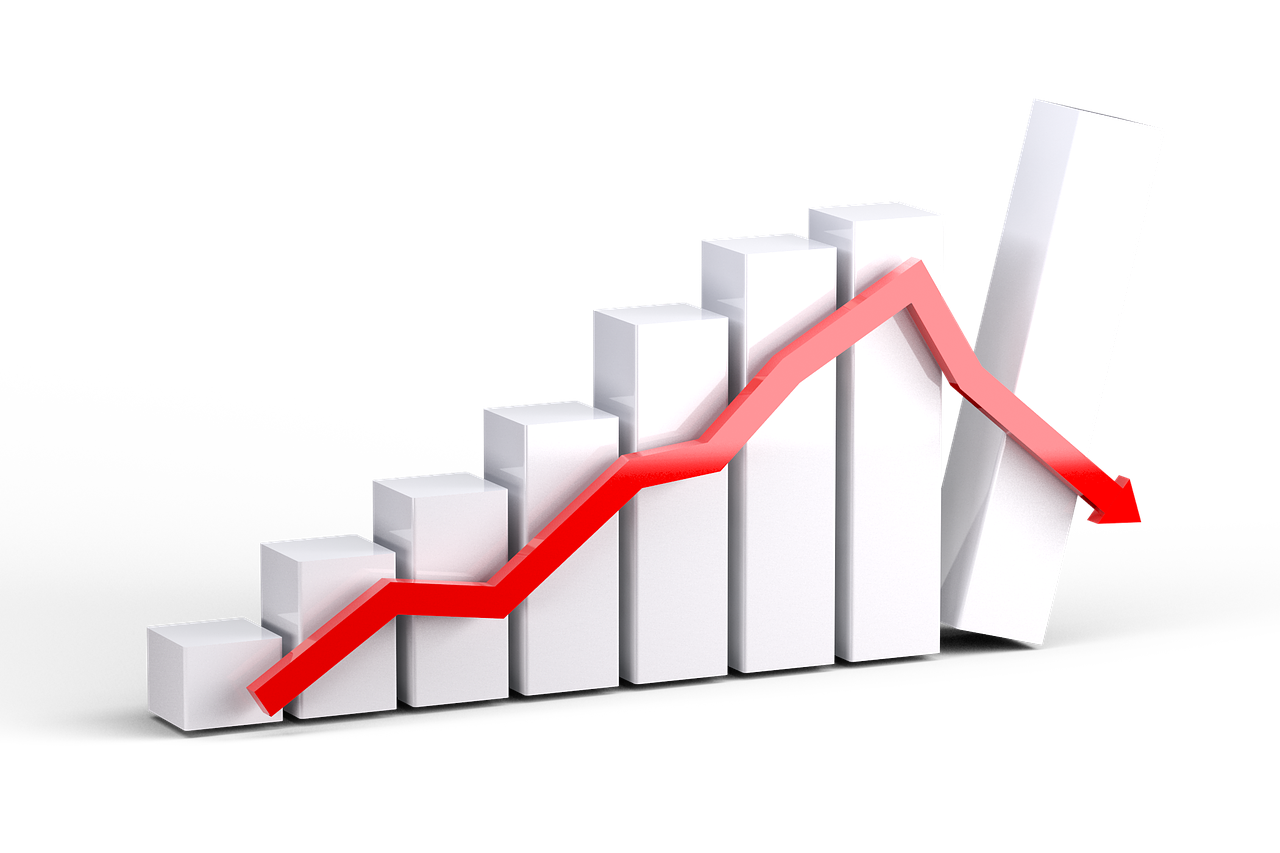
Market corrections are inevitable phases that every investor must understand. They occur when the stock market declines sharply after a period of upward momentum. Recognizing these corrections can provide crucial insights for making informed investment decisions. Technical analysis serves as a tool that enables investors to forecast potential corrections by studying past price movements. Using charts, patterns, and indicators, analysts assess price levels and volume trends to predict future movements. It is essential for investors to implement these strategies effectively to mitigate risks during erratic market behaviors. Incorporating risk management approaches can greatly influence the outcome of financial strategies. Understanding the different types of corrections, including minor and major corrections, allows investors to adjust their portfolios accordingly. Overall, the utilization of technical analysis can grant traders a competitive edge when navigating through the complex dynamics of stock market corrections.
Identifying potential market corrections requires diligent observation of various indicators. Chart patterns are pivotal tools in technical analysis that can signify corrections in trends. Key indicators, such as Moving Averages, Relative Strength Index (RSI), and Fibonacci Retracement levels, should be closely monitored. These tools not only help predict corrections but also assist in identifying the strength of ongoing trends. For instance, an RSI reading above 70 may indicate an overbought condition, suggesting a possible correction. Conversely, an indicator below 30 could imply an oversold market. Moreover, identifying support and resistance levels is crucial when anticipating corrections, as these levels often define the boundaries of price movements. By comprehensively analyzing price action coupled with volume, investors can make more informed decisions during turbulent market phases. Ultimately, a well-rounded technical analysis approach equips investors with vital information needed to strategize effectively and navigate corrections with confidence.
Understanding Volume in Market Corrections
Volume analysis is another vital aspect closely linked to market corrections. Volume refers to the number of shares traded during a specific period, providing insights into market activity. An unexpected increase in volume can indicate a price reversal or correction. When volume spikes during a decline, it may suggest fear or mass sell-off, warranting caution. Conversely, increasing volume during a rally can signify conviction among buyers, further defining the trend. Comparing volume with price movements allows investors to affirm the strength or weakness of corrections. Traders often use oscillators to assess market momentum alongside volume trends. This combination aids in uncovering divergences, which can predict potential market corrections. Understanding these elements equips investors with crucial tools to create tailored strategies that respond to market fluctuations effectively. Proactive adjustments to both short- and long-term strategies enable smoother transitions through volatile periods, safeguarding investments and maximizing potential gains.
Chart patterns are instrumental in identifying transitions in market behavior. For example, head and shoulders patterns often denote impending corrections. Recognizing the formation of these patterns early can lead to strategic decision-making for investors. Other notable patterns include double tops and bottoms, which also signal potential changes in market direction. Integrating these patterns into technical analysis allows traders to spot corrections before they materialize significantly. This proactive monitoring can help minimize losses or capitalize on market recoveries. Additionally, traders must consider macroeconomic factors influencing market corrections, such as changes in interest rates or geopolitical tensions. These external factors can exacerbate typical pattern formations, altering investment landscapes. Therefore, it becomes crucial to balance technical analysis with fundamental insights to paint a complete picture of potential corrections, promoting informed decision-making that merges analytical tools and realistic market science.
Establishing Risk Management Strategies
Every investor should develop comprehensive risk management strategies, particularly in the context of potential market corrections. These strategies provide frameworks for protecting investments while optimizing opportunities in fluctuating markets. Defined stop-loss orders can limit losses by selling share holdings when they reach predetermined price levels. This protective measure ensures investors are not overly exposed during sudden downturns. Moreover, diversification across various asset classes can buffer investments against concentrated risks during market corrections. By strategically allocating resources and balancing profiles, investors can minimize vulnerability during turbulent times. Additionally, consulting with financial advisors can further enhance risk management efforts, tailoring strategies to unique financial situations and market outlook. Regular reviews and adjustments to investment portfolios are essential, ensuring alignment with evolving market conditions. Establishing firm guidelines surrounding risk management empowers investors to maintain emotional discipline during stressful market corrections, leading to more sensible decision-making amidst turmoil.
Practical application of technical analysis and risk management strategies during corrections requires adaptation to real-time conditions. Investors should utilize historical data to refine their assessments periodically. Back-testing different strategies against historical market corrections can reveal potential strengths and weaknesses. This analysis not only corroborates the effectiveness of individual approaches but also builds confidence in decision-making. Additionally, continuous education and updating of analytical skills are essential for staying relevant in a rapidly evolving market environment. Engaging in online courses, webinars, or literature on market trends can deepen understanding and enhance analytical capabilities. Maintaining a disciplined approach to technical analysis while integrating continuous learning fosters resilient investment behavior, especially during market corrections. Furthermore, leveraging technology through analytic tools can accelerate the interpretation of complex data sets in real time, optimizing position entries and exits. In conclusion, blending technology, continuous education, and robust technical analysis ultimately prepares investors to maneuver through market corrections effectively.
Conclusion and Future Outlook
In summary, using technical analysis to identify market corrections is a prudent strategy for investors. Understanding chart patterns, volume trends, and risk management strategies equips traders with necessary insights for navigating corrections successfully. As markets evolve and technologies advance, continuous adaptation and education will remain essential. Staying updated on market dynamics, ensuring interdisciplinary knowledge between technical and fundamental analysis, can yield improved performance. In doing so, investors stand a better chance of identifying market corrections accurately and making informed decisions. Future trends will likely include further integration of artificial intelligence into analysis processes, offering richer insights and enhancing predictive capabilities. By exploring new tools and ways to adapt analyses, investors can prepare themselves more effectively for potential market corrections. Ultimately, a well-rounded approach, combining traditional analysis with innovative methodologies, will significantly enhance investor resilience and adaptability in the face of market volatility.
In closing, leveraging technical analysis is invaluable for understanding stock market corrections. By embracing identified strategies, investors can position themselves advantages to navigate challenging market conditions.