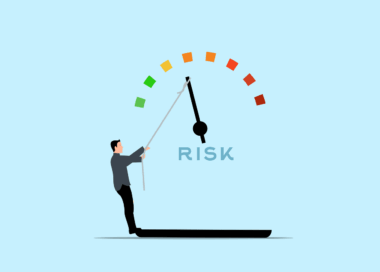

Evaluating Risk Mitigation Investments: A Financial Perspective
In today’s complex business environment, evaluating risk mitigation investments is crucial for maintaining financial stability. Organizations need to consider various risk factors that can threaten their operations, ranging from financial insecurity to natural disasters. Understanding the financial implications of these risks requires a comprehensive approach. Analyzing the costs associated with mitigating these risks, such as insurance premiums or investment in safety equipment, is essential. Implementing risk mitigation strategies can have significant benefits; however, organizations need to weigh these against the costs. The evaluation process should include assessing direct costs and indirect costs that could arise due to potential losses. A clear financial perspective helps organizations prioritize where to allocate resources effectively. Additionally, engaging with financial professionals can provide insights into the long-term advantages of risk mitigation investments. By conducting a thorough analysis of potential financial impacts, businesses can develop effective strategies that protect their interests while enhancing their overall resilience against unforeseen events. Ultimately, sound risk management practices are fundamental for the sustainability and growth of businesses in all sectors.
Effective implementation of risk mitigation tactics involves understanding the balance between costs and benefits. After identifying potential risks, organizations must analyze various mitigation strategies in terms of their financial viability. Costs can include direct expenses related to risk mitigation activities, such as technology upgrades or employee training programs. Additionally, indirect costs like lost productivity or market share due to mismanaged risks should also be considered. One effective method to evaluate these costs is conducting a cost-benefit analysis. This technique allows organizations to understand the potential return on investment for different mitigation strategies. For instance, investing in advanced cybersecurity systems may have high initial costs, but they can prevent significant financial losses from data breaches. Moreover, time can be a crucial factor. Investing early in risk mitigation can prevent more significant issues later on, thereby saving costs long-term. Organizations can implement different metrics to monitor effectiveness, such as incident response times or loss ratios. This ongoing evaluation is essential to ensure that investments continue to align with organizational goals, ultimately fostering a culture of proactive risk management.
Components of Risk Mitigation Cost Evaluation
When evaluating risk mitigation costs, several components must be factored into the analysis. These include both tangible and intangible costs that may arise. Tangible costs can be easily quantified and include direct payouts for insurance premiums, compliance costs for regulatory requirements, and expenditures for physical safeguards. On the other hand, intangible costs may relate to the potential loss of reputation, customer trust, or adverse impacts on employee morale. In addition, organizations must consider the opportunity costs related to risk mitigation investments. Engaging in risk reduction activities may limit investments in other growth initiatives, which requires careful consideration of priorities. Furthermore, companies should also account for potential law suits that may arise from unmanaged risks. A holistic assessment should provide a clearer picture of the costs involved in risk management. Utilizing tools such as scenario planning can also help organizations predict the future costs associated with various strategies. This ensures that every aspect, including long-term expenses, is adequately analyzed before deciding on specific risk mitigation initiatives, thus supporting better financial decision-making.
Once the components of risk mitigation costs are identified, prioritizing these elements becomes paramount. Organizations must evaluate the severity of potential risks and categorize them accordingly. Understanding the probability and impact of each risk enables companies to direct resources efficiently. High-impact risks should be addressed first, reallocating budgets to mitigate these significant threats. Moreover, employing quantitative methods can further enhance prioritization efforts. Techniques such as risk mapping visualize potential risks and their corresponding mitigation costs, making it easier to devise strategic plans. By adopting such data-driven approaches, businesses can compare risks against each other in a structured manner. This analysis can lead to better-informed decisions about where to allocate resources for maximum benefit. Furthermore, companies should consider engaging in peer benchmarking. Analyzing the risk mitigation strategies of industry leaders helps identify best practices, promoting more effective risk management decisions. The shared insights from others in the industry can guide organizations toward more efficient and effective practices that justify their risk mitigation expenditures while maximizing overall safety and minimize potential losses.
Measuring the Effectiveness of Risk Mitigation Investments
Measuring the effectiveness of risk mitigation investments requires establishing clear metrics. Organizations can use key performance indicators (KPIs) to quantify the success of their strategies. For instance, tracking metrics like claim rates, incident response times, and the cost of risk can provide valuable insights into the effectiveness of implemented strategies. Regular monitoring of these metrics allows for informed adjustments as needed over time. In addition, continuous audits of risk management processes can reveal strengths and weaknesses. By reviewing actual outcomes against projections, organizations can make necessary financial adjustments and interpret the data to enhance the efficacy of their risk strategies. Conducting post-implementation reviews is a good practice, offering insight into unexpected consequences or areas for improvement. Further, external audits by financial consultants provide impartial evaluations of risk management investments, contributing to greater objectivity in financial assessments. As organizations become more cognizant of the dynamic risk landscape, flexible approaches must be adopted, allowing the evolving nature of risks and corresponding costs to be regularly addressed, reinforcing the importance of ongoing evaluation in risk mitigation investments.
Investing in advantage technology can also play a key role in effective risk mitigation. Businesses today can leverage advanced tools and software to identify, assess, and mitigate risks more efficiently. These technologies, such as analytics software, automate risk assessments, enabling quicker data analysis and risk identification. By reducing the time and resources needed for assessments, organizations can better allocate funds toward effective mitigation strategies. Additionally, technology-driven solutions can enhance transparency regarding potential risks. For example, utilizing cloud-based platforms enables real-time data sharing, allowing team members to respond to risks swiftly. Furthermore, technology can support a culture of continuous learning and improvement. Keeping track of risks and mitigation performance through digital documentation systems ensures valuable insights remain accessible for future evaluations. This approach fosters accountability among employees concerning risk management practices. However, investing in technology must also be evaluated financially. Organizations should perform a cost-benefit analysis to ensure that such investments yield justifiable reductions in risk costs. Ultimately, technology is a crucial ally in optimizing risk management, ensuring that companies remain resilient amid uncertainties, adhering to financial perspectives while managing risks effectively.
Conclusion: Strategic Implications for Businesses
In conclusion, evaluating risk mitigation investments from a financial perspective plays a pivotal role in safeguarding organizations. A robust approach requires acknowledging and analyzing costs, both direct and indirect, while understanding the benefits derived from risk mitigation strategies. Prioritizing risks based on their potential impacts ensures effective resource allocation, and investing in technology enhances the overall assessment process. Continuous measurement, coupled with effective strategies and tools, enables organizations to refine their practices while remaining flexible to changing risk landscapes. Outlined best practices from peers offer additional insights that can positively influence financial decision-making. Companies that embrace comprehensive evaluations are better positioned for sustainable growth in a volatile world. Engaging financial professionals in risk management discussions fosters shared responsibility, promoting a culture of proactive intervention. Organizations should not view risk mitigation simply as a cost but as an essential investment in their long-term viability. By prioritizing risk assessments and subsequent mitigation initiatives, businesses can achieve better ROI on their investments while ensuring their resilience against unpredictable challenges. In an increasingly uncertain environment, strategic risk management is fundamental for ensuring success and resilience in business operations.