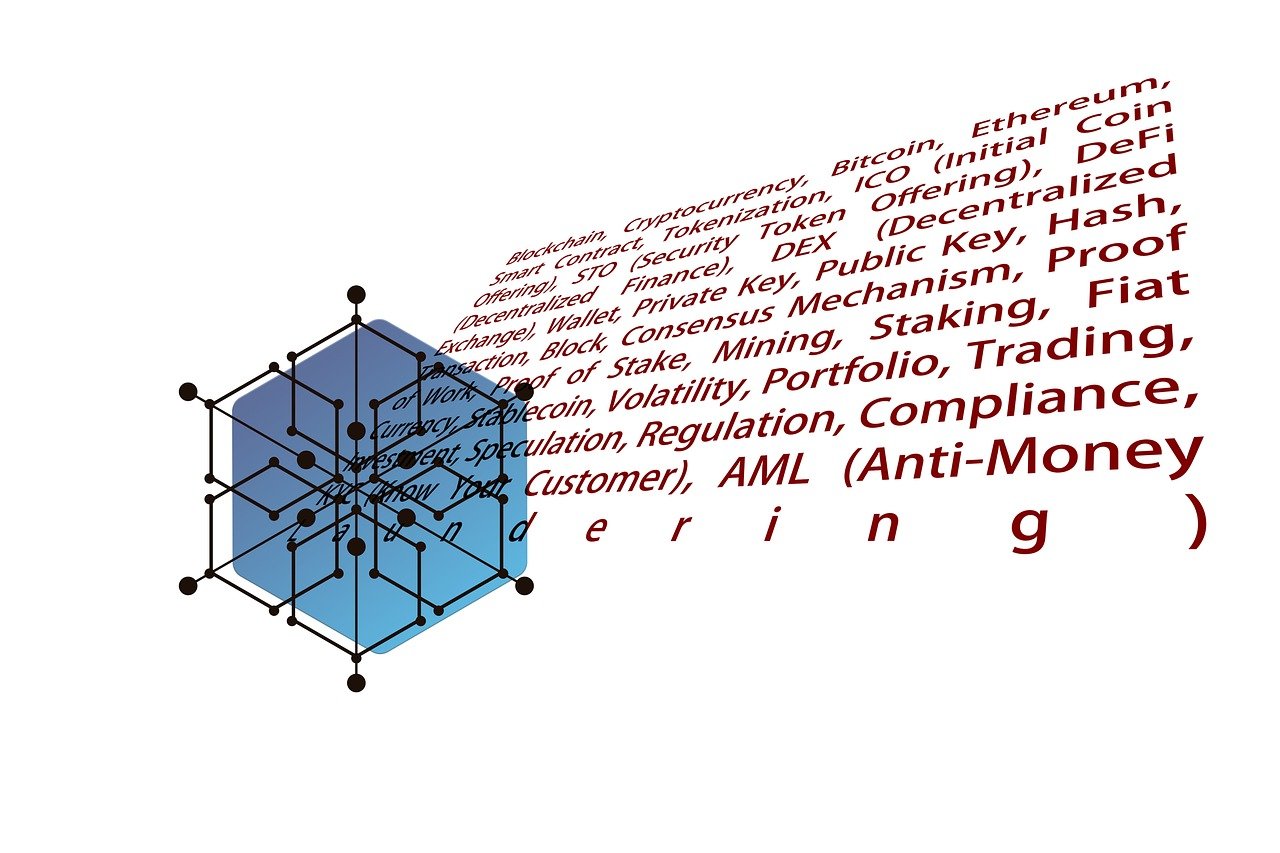

Legal Implications of FinTech in Banking and Finance
The emergence of FinTech has reshaped traditional banking structures and introduced various legal implications for financial institutions. FinTech companies, characterized by their innovative approach to financial services, often bypass conventional regulations, leading to a gray area in the law. Banks are challenged to adapt to this evolving landscape while ensuring compliance with established regulations. One major concern is consumer protection, as the potential for cybersecurity breaches increases. The inherent risks include unauthorized access to sensitive data, necessitating stronger legal frameworks. These frameworks must balance innovation with the need to protect consumers. Financial regulators must also consider how to apply existing laws to these new technologies, including blockchain and cryptocurrencies. The rapid growth of peer-to-peer lending platforms introduces additional complexity. Legal definitions of liability and accountability are often ambiguous in this regard. Striking this balance will be crucial for the continued growth of the FinTech sector. The legal environment must respond promptly to technological advancements or risk stifling innovation that could benefit the broader economy.
Regulatory challenges are a significant hurdle that FinTech companies face in the banking and finance sector. Unlike traditional banks, FinTech firms operate in a rapidly changing environment where regulations may not keep pace. This can create uncertainties for emerging businesses trying to navigate compliance issues. Many countries are exploring regulatory sandboxes, which allow FinTech businesses to test their innovations within a controlled regulatory framework. These sandboxes can help identify potential legal issues while promoting growth in the sector. However, the effectiveness of these sandboxes varies across jurisdictions. Some regions, like the UK and Singapore, have developed robust frameworks to foster innovation while managing risk. Stakeholders must understand international differences in legislation to develop effective strategies for compliance. In addition, these legal frameworks often lack clarity on matters such as data governance and security requirements. FinTech companies must be proactive in maintaining transparency with customers about how their data will be used. Furthermore, the legal implications of using AI in financial decision-making remain a contentious issue, as they can create biases in lending and investment decisions.
Consumer Protection and Liabilities
Consumer protection stands at the forefront of legal implications associated with FinTech. Regulatory bodies have heightened scrutiny on how FinTech companies handle consumer data and ensure secure transactions. Breaches can lead to devastating financial consequences for individuals, thus raising questions around liability. Consumers often lack adequate knowledge regarding their rights, particularly when engaging with technology-driven services. Clear legal guidelines must be established to inform consumers about their rights and protections when using FinTech services. Required disclosures regarding risks, fees, and data usage are vital for consumers to make informed decisions. Furthermore, policies must be adapted to include new methods of transaction validation. The use of biometric authentication, for instance, raises questions about liability in cases of fraudulent transactions. Who is responsible for research and risk? Regulatory agencies may need to implement comprehensive frameworks that clarify the legal responsibilities of both FinTech companies and consumers. By fostering a transparent environment, consumer confidence in these innovative solutions can grow. Financial literacy programs may also aid consumers in understanding complex transactions better and navigating their rights efficiently.
Privacy and data protection are crucial elements of FinTech-related legal implications. With vast amounts of data being processed, companies must comply with regulations like the GDPR in Europe and the CCPA in California. These laws impose strict requirements on how personal information is collected, stored, and shared. FinTech firms must establish robust data management practices that comply with legal standards to protect consumer privacy and avoid penalties. Furthermore, organizations must continually assess their data protection strategies as technology evolves. The use of third-party vendors and APIs complicates data security measures, as businesses must ensure that partners also adhere to privacy regulations. Cybersecurity incidents such as hacks or data breaches can lead to reputational damage and legal liabilities for failing to protect sensitive information. Additionally, many jurisdictions are considering legislation that mandates notification to consumers in the event of a data breach. These requirements can impose substantial operational burdens on finite firms. Legal frameworks surrounding data processing need to adapt swiftly to include emerging technologies while providing clear guidelines for compliance. Regular audits and training in data protection laws can mitigate risks associated with compliance failures.
FinTech Compliance Strategies
Compliance strategies in the FinTech sector are essential to navigate the intricate web of legal requirements. Establishing clear internal policies and practices can significantly reduce the risk of non-compliance and potential penalties. Organizations should foster a culture of compliance that resonates through every level of the business. Training programs that thoroughly educate employees about relevant laws, regulations, and ethical practices empower staff to recognize compliance risks. Moreover, technology can play a vital role in managing compliance effectively. FinTech companies can leverage compliance management systems that automate tracking regulatory changes while monitoring internal adherence to established protocols. Regular assessments, audits, and risk analysis help in identifying potential weaknesses that can jeopardize compliance efforts. Engaging legal experts in constructing robust compliance strategies ensures that these practices are aligned with current regulations. Collaboration within the FinTech community can also present opportunities to share insights and resources, further strengthening compliance efforts. Continuous evolution of compliance strategies is necessary due to the rapid advancements in technology and shifting regulatory landscapes. This proactive approach helps safeguard both the company and its clients.
The impact of blockchain technology on banking and finance law is another area worthy of examination. Blockchain offers numerous advantages, such as increased security, transparency, and efficiency. However, the underlying technology presents unique legal challenges that require attention. Regulatory frameworks often struggle to keep pace with innovations in blockchain. Smart contracts, for instance, blur the lines between software and legal agreements, leading to potential enforcement difficulties. Jurisdictions worldwide are grappling with how to classify blockchain transactions and the legal implications that arise from them. The application of securities laws to Initial Coin Offerings (ICOs) presents additional uncertainty for businesses aiming to fundraise via cryptocurrencies. Financial regulators must work to create guidelines that clarify these issues while promoting an environment conducive to innovation. Integrating blockchain into traditional banking systems also raises questions about the potential restructuring of established relationships in finance. Legal experts continue to debate how these changes will affect existing laws governing fiduciary duties and trust. Strengthening the legal framework surrounding blockchain can support the technology’s adoption while protecting consumers and maintaining financial stability.
Future Trends and Legislative Developments
Looking ahead, the landscape of banking and finance law in relation to FinTech will continue to evolve rapidly. Emerging technologies such as artificial intelligence and machine learning are set to play a more prominent role in financial decision-making processes. This will necessitate a re-evaluation of existing legal frameworks to address issues like algorithmic transparency and accountability. Legislative bodies worldwide must actively engage with stakeholders in the FinTech sector to develop responsive regulatory environments. Collaborative dialogues can lead to more adaptive regulations that foster innovation while protecting consumers. Additionally, as public awareness grows regarding financial ethics and governance, legislative measures may begin to incorporate more social responsibility within the FinTech domain. Enhanced regulations surrounding fair lending practices and anti-discrimination laws may emerge to ensure equitable access to financial services. As technology progresses, it will be imperative for FinTech companies to maintain ethical standards and social accountability. This requires proactive engagement with legal advisors who understand future trends. By anticipating changes, FinTech organizations can position themselves strategically within the evolving legal landscape.
In conclusion, the interface between FinTech and banking and finance law is increasingly complex, as traditional institutions face new competitors while adjusting to rapidly changing technology. The legal implications of FinTech are broad, touching on consumer protection, data security, and compliance strategies that can shape the future of finance. Robust framework development will be essential for navigating this intricate landscape. Regulatory bodies, along with FinTech companies, must collaborate effectively to craft laws that can keep pace with innovation and protect consumers. These laws should not only focus on traditional finance but also encompass new technologies, ensuring that regulations are adaptable to future advancements. The relationship between regulators and entrepreneurs will be crucial in fostering innovation and protecting consumer interests. Continuous investment in education around these developments can empower individuals to make informed decisions while utilizing FinTech services. As we progress further into the digital age, understanding the legal implications will become integral to the success of financial institutions. Pursuing a path of collaboration will ensure the secure and ethical evolution of the FinTech landscape.