
Using Scenario Analysis to Mitigate Operational Risks
Scenario analysis is a powerful tool in risk management that helps organizations identify and assess potential risks. By simulating various scenarios, businesses can prepare for uncertain events, enhancing their resilience. A robust scenario analysis can involve multiple facets: economic downturns, technological disruptions, or natural disasters. In operational risk management, this analysis aids decision-makers to monitor risk factors effectively. Companies often leverage this technique to forecast impacts and develop strategic responses. This approach not only enables proactive risk management but also fosters a culture of preparedness among employees. Engaging stakeholders in the process ensures diverse perspectives are considered. Moreover, scenario analysis can reveal interdependencies between different risk factors, allowing organizations to understand cascading effects. For instance, a supply chain disruption could result in financial losses. By recognizing these scenarios in advance, companies can build contingency plans and allocate resources effectively. Furthermore, having historical data readily available compounds the effectiveness of scenario analysis by providing a detailed benchmark. Consequently, scenario analysis becomes an indispensable aspect of operational risk management strategies designed to safeguard business continuity and integrity, ensuring that organizations can weather potential storms with confidence.
Operational risks can stem from various sources, necessitating a thorough understanding of potential vulnerabilities. The tools used in scenario analysis help team members dissect complex operational frameworks, promoting informed decision-making. Commonly, organizations will incorporate quantitative metrics alongside qualitative assessments during this analysis. By striking this balance, businesses can generate comprehensive insights that reflect both numerical data and human factors. This mixture emphasizes the importance of understanding how employees perceive risks within their environments. Collectively, scenario analysis allows companies to evaluate both probabilities and impacts of different operational concerns. They can explore the ramifications of events, such as workforce disruptions or IT system failures. Engaging in meaningful discussions about potential outcomes promotes organizational cohesion. Understanding these dynamics is crucial in developing risk mitigation strategies. Moreover, continuous updates regarding operational environments enhance the integrity of scenario analysis. This ensures that businesses remain adaptive in the face of ever-evolving challenges. In practice, organizations often conduct workshops that foster collaboration and knowledge sharing. In this way, integrating scenario analysis into regular operations can create a sustainable approach to managing risks, thus allowing businesses to thrive even when encountering adversity.
The Importance of Measuring Impacts
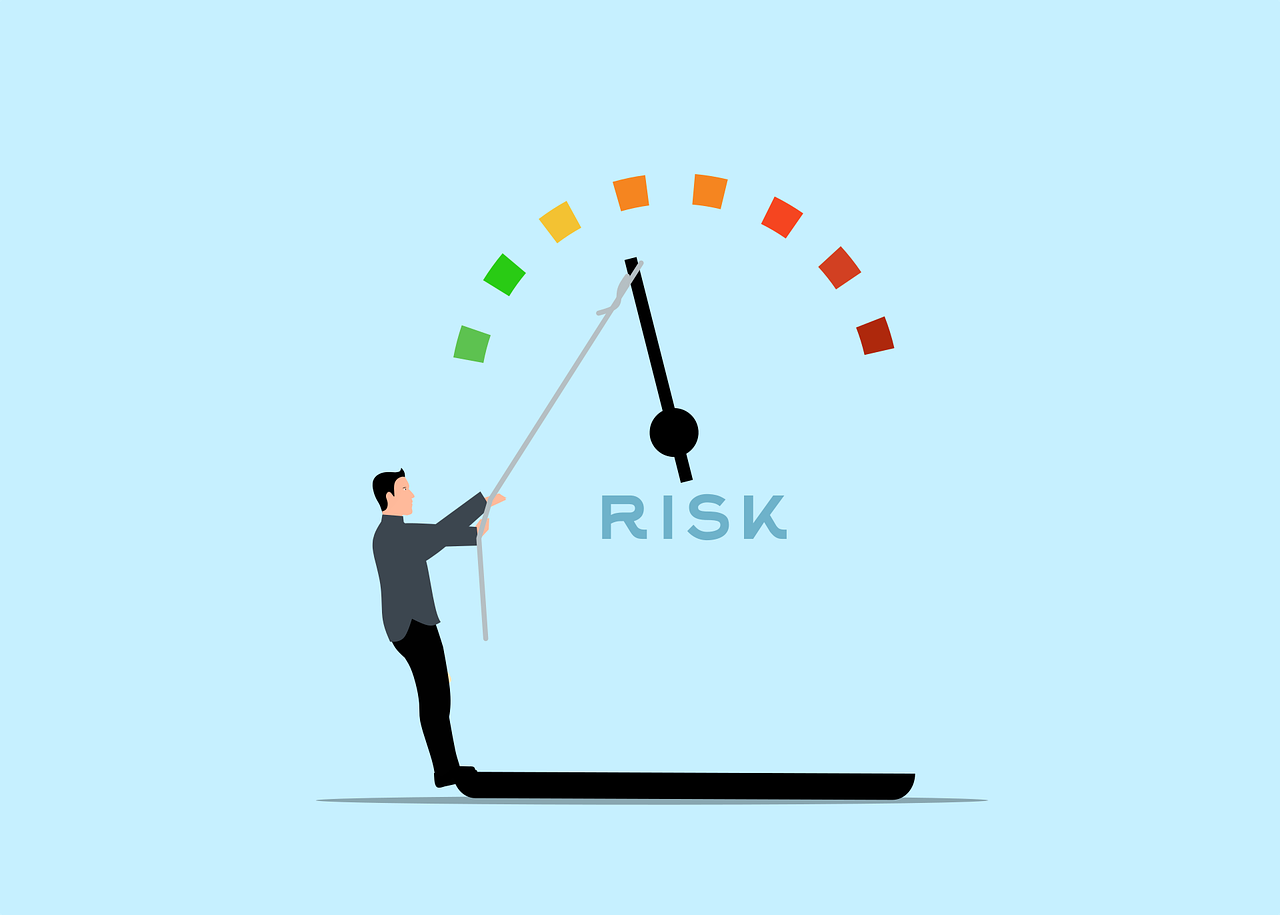
Assessing impacts is central to scenario analysis in operational risk management. Understanding not just what could happen, but what the consequences might be can sharpen organizational foresight. Consequences of operational risks often span both financial and reputational realms. Thus, calculating potential financial costs associated with various risks facilitates informed decision-making. Additionally, knowing how these risks might affect customer trust and brand perception is equally vital. For example, a product recall due to operational failure could adversely impact reputation, leading to prolonged financial losses. By simulating such scenarios, organizations can quantify damage and adjust their responses accordingly. Moreover, this understanding aids in prioritizing risks based on severity and likelihood. The strategic allocation of resources is paramount in tackling the most pressing concerns first. Companies often develop scorecards or heat maps to visualize these impacts effectively. This graphical representation provides clarity, allowing leaders to engage in strategic discussions about risk mitigation. Furthermore, utilizing scenario analysis enhances stakeholder communication. When stakeholders see visualized potential impacts, they are more inclined to appreciate the urgency of implementing robust risk management strategies.
Incorporating scenario analysis into regular operational reviews ensures that risk perceptions are consistently updated. Organizations that regularly revisit their scenarios can adapt to emerging threats and opportunities. Frequent reviews foster a culture of agile response, a vital asset in today’s fast-paced business environment. By adopting this approach, teams can ensure that their contingency plans are relevant and effective. Stakeholder involvement during these reviews is invaluable, as different perspectives may uncover risks previously overlooked. Collaborative efforts can also enhance a team’s collective learning and understanding of risks. Furthermore, organizations should also encourage an environment that embraces change Management is critical in operational risk assessments. Having designated teams responsible for monitoring specific risk scenarios further enhances accountability. These teams can provide insights into the implications of emerging technologies or regulatory changes. Additionally, fostering relationships with external experts can bring in fresh perspectives and benchmarking practices. By integrating scenario analysis within broader operational strategies, businesses can create resilience. This method not only prepares organizations for uncertainties but helps in identifying new growth avenues in the face of adversity, ultimately fueling long-term success.
Training and Involvement
Training staff on the principles of scenario analysis is critical for effective risk management. Employees equipped with the right knowledge can conduct informed analysis and contribute to mitigating operational risks. Regular workshops and training sessions not only elucidate concepts but also foster teamwork and collaboration. When team members participate in exercises that simulate risk scenarios, they build practical experience. This hands-on learning experience can significantly enhance employee confidence in dealing with potential risks. Organizations should encourage participatory learning, promoting an atmosphere where all voices are heard. This approach ensures diverse perspectives are integrated into risk assessments. Moreover, being proactive in risk training cultivates a workforce that is agile and adaptable. This adaptability is crucial when unexpected challenges arise, allowing businesses to pivot quickly and effectively. Assessing employee understanding through simulations and feedback sessions can strengthen learning further. Implementing gamified risk assessment exercises can lead to improved engagement and retention of knowledge. Taking the initiative to engage every level of an organization in scenario analysis creates stronger bonds and ensures everyone shares a common understanding of risk. Consequently, this involvement enhances overall resilience, empowering organizations to navigate complexities confidently.
Evaluating case studies of organizations that successfully employed scenario analysis illuminates best practices. Studying these instances can inspire other businesses to adopt similar techniques for managing risks. Numerous industries demonstrate the applicability of scenario analysis—from finance to healthcare. For instance, a major bank using scenario analysis to identify potential market shifts enables preemptive risk strategies. In healthcare, hospitals applying scenario planning to forecast patient influx can enhance operational efficiency and resource allocation. Businesses should document these instances, extracting lessons learned to refine their approaches. Creating a repository of case studies also serves as a valuable training resource for new employees. This background knowledge fosters a deeper understanding of practical applications of scenario analysis. Furthermore, sharing these findings in industry forums promotes collaboration and sharing of insights. Thus, organizations can learn from both successes and failures experienced by others. Engaging in dialogue with peers about their experiences can also lead to innovative solutions. As scenario analysis continues to evolve, organizations must remain flexible and ready to adapt best practices. This commitment to learning from case studies ensures they stay ahead of potential operational risks and leverage new opportunities as they arise.
Continuous Improvement and Future Outlook
Continuously improving scenario analysis frameworks is crucial for ongoing mitigation of operational risks. Organizations must regularly assess the effectiveness of their analysis practices, making necessary adjustments. Feedback mechanisms are instrumental in understanding what strategies yield the best results. Regularly soliciting input from employees at all levels enhances the robustness of the analysis process. Moreover, integrating technological advances plays a pivotal role in refining scenario analysis. Emerging technologies such as artificial intelligence can provide more profound insights into possible risks. Organizations should strive to remain informed about innovative tools that can supplement traditional analysis methods. Predictive analytics, for example, is transforming how businesses understand and respond to potential risks. Data-driven insights garnered through advanced methodologies can bolster scenario planning efforts significantly. Engaging with external consultants can also provide valuable perspectives on improving practices. To remain competitive, companies must embrace a culture of continuous learning and adaptability. Looking ahead, investing in advanced training on evolving risk management practices ensures teams are perpetually prepared for disruptions. Ultimately, prioritizing continuous improvement positions organizations for long-term success and stability in an increasingly complex and uncertain business landscape.
In conclusion, using scenario analysis effectively mitigates operational risks, promoting an informed and proactive organizational culture. An emphasis on collaboration, training, and continuous improvement is essential for overcoming multifaceted challenges. By embedding scenario analysis into risk management frameworks, companies can navigate uncertainties with confidence. This integration fosters a climate of preparedness, which is paramount for long-term sustainability. As businesses harness these techniques, their ability to adapt will only strengthen, allowing them to thrive amidst evolving operational landscapes. Without question, the challenge lies in maintaining relevance in a rapidly changing world. Thus, investing in both training and technology is vital. In essence, scenario analysis is not simply a tool; it is an ongoing commitment to understanding risks deeply. The benefits ripple not only through the organization but also positively impact stakeholders and communities. Engaging employees in risk understanding paves the way for innovation, resilience, and trust. The pathway to safeguarding operational integrity is illuminated by proactive strategies rooted in scenario analysis. Forward-thinking organizations that embrace this practice are better equipped to manage risks and seize opportunities, ensuring sustainable success in the future.