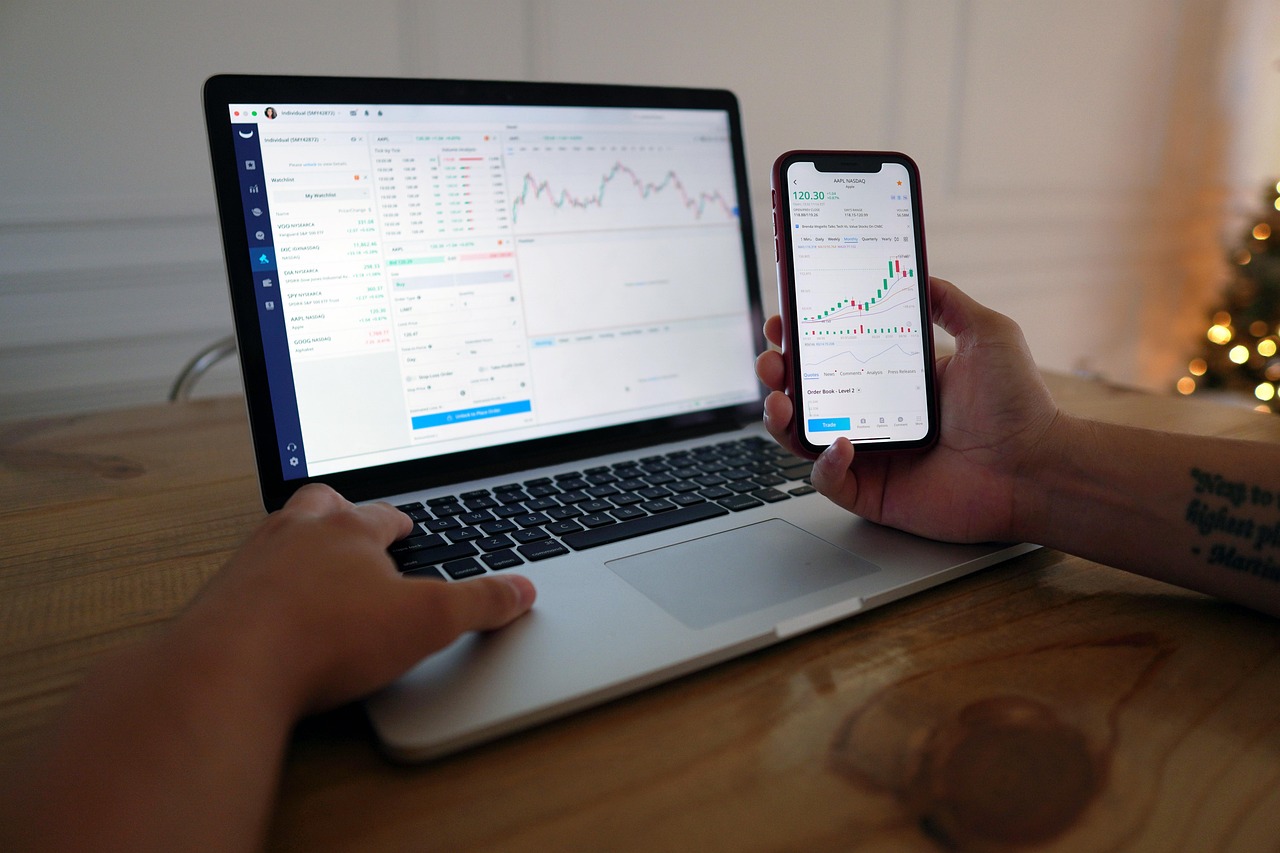

Comparing Desktop Trading Software vs Online Platforms
In today’s fast-paced financial environment, investors have numerous options for trading. When deciding between desktop trading software and online platforms, it’s essential to consider several factors. Both options have distinct advantages and disadvantages, making thorough research crucial. Desktop trading software typically offers advanced features such as multiple charting tools, real-time data feeds, and algorithmic trading capabilities. These elements can significantly enhance a trader’s experience and effectiveness when executing strategies. On the other hand, online platforms provide accessibility and convenience that desktop software often lacks. Investors can trade from anywhere with internet access, allowing flexibility for those on the go. Each side caters to different types of investors, from novice to experienced traders. Selecting the right platform requires understanding one’s trading style and preferences. Choosing wisely can lead to achieving investment goals more efficiently. In this analysis, we will explore the pros and cons of both desktop software and online trading platforms. This exploration will clarify each option’s impact on the trading experience for individual investors and help determine what aligns best with specific needs and objectives.
One key factor when comparing desktop trading software and online platforms is user experience and interface. Desktop applications often provide a more robust and customizable interface. Traders can tailor their layouts to fit their trading strategies, leading to more efficient trades. For instance, advanced users can set up multiple screens with specialized tools for technical analysis, which may not always be feasible through an online platform’s simpler interface. Conversely, online platforms prioritize ease of use and accessibility. They typically have intuitive designs to accommodate beginners. This makes it easier for new traders to familiarise themselves with the market. Moreover, online platforms usually update with the latest features and tools without requiring downloads. Maintenance becomes simpler, as users always access the most up-to-date version. Nevertheless, advanced features like detailed charting and extensive research tools might be less comprehensive on online platforms. Therefore, your choice should depend on not only your experience level but also the specific traits you value in a trading environment. Understanding what each platform offers enables you to make a more informed decision aligned with your trading journey.
Speed and Performance
Another crucial aspect in the comparison of desktop trading software and online platforms lies in speed and performance. Desktop software often outperforms online platforms in data processing and execution speed. Users benefit from faster response times, especially during high volatility periods. High-frequency traders, for instance, require execution speeds in milliseconds. Desktop platforms can leverage local system resources to execute trades rapidly, minimizing delays that might occur via internet-dependent platforms. Additionally, due to their capacity to handle complex calculations and large volumes of data, desktop applications can analyze trends and send trades instantly. On the other hand, online trading platforms may experience lag due to server connections. However, many have improved immensely through technological advancements but can still be susceptible to the internet’s unpredictability. It is also essential to consider bandwidth limitations and potential downtimes that can disrupt trading activities. In essence, for those who prioritize speed and efficiency, desktop software generally emerges as the superior choice, particularly in fast-moving market conditions. However, this aspect should be weighed against the flexibility offered by online platforms to find a suitable balance between both options.
Security considerations are paramount in any trading environment and also shape the debate between desktop software and online platforms. Desktop trading applications typically allow traders to store their data locally, reducing reliance on third-party servers and minimizing risks associated with data breaches. Security features such as encryption and two-factor authentication are also often embedded into these applications. This local control provides individuals with the sense of owning their data and trades directly, ensuring a tailored level of security. Overall, desktop platforms often provide advanced security measures appealing to active traders who value privacy. In contrast, online trading platforms store users’ information on their servers. While they typically also implement strong security protocols, they might be more vulnerable to cyberattacks. Despite this, many online platforms utilize robust security features. These can include SSL encryption and regular security audits, but users must rely on the platform’s integrity. With the increasing frequency of cyberattacks, understanding the security measures implemented by each option is essential when selecting a trading platform. Prioritizing safety and data protection can effectively safeguard your investments during trading activities.
Cost and Fees
The costs associated with trading through desktop software versus online platforms can significantly differ, influencing the choice for many traders. Desktop applications usually require an upfront purchase or subscription fee, which can be relatively high. However, once the platform is acquired, many software packages allow commission-free trading or lower costs for certain types of trades, especially for active traders. This feature may provide significant savings in the long term for frequent traders. In addition, desktop solutions may also offer lower transaction fees for specific trades, depending on the service provider. In contrast, online platforms frequently operate on a commission-based model, charging fees for each trade executed. While many online platforms have zero-commission trading options, they may tie in increased spreads. Evaluating the total cost of trading across both platforms is essential, as hidden fees can contribute significantly to overall expenses. Comparing not only direct costs but also indirect expenses like trading performance can be crucial. Understanding the full scope of pricing structures can inform decisions regarding your trading choices and help maximize returns in the long run.
Trading resources are another consideration that can help differentiate desktop trading software from online platforms. Desktop applications usually provide a vast array of integrated tools and resources for traders. These tools often include advanced technical indicators, comprehensive market research, and historical data analysis options that help in predicting market movements. Traders using desktop software can develop and test personalized strategies within an extensive environment. On the other hand, many online platforms also offer valuable resources, albeit often in narrower scopes than desktop software. Nevertheless, online platforms continue to evolve their offerings. Many now boast sufficient research reports and tutorials, catering to both novice and experience traders alike. However, the depth and sophistication of analysis tools can sometimes remain limited compared to desktop software versions. These differences could significantly impact how various traders utilize each platform’s tools to execute strategies effectively. Selecting the right platform ultimately comes down to the resources an investor deems most beneficial. This analysis of tools may help individuals align with their trading styles and effectively employ them during their trading journey.
Conclusion
Ultimately, deciding between desktop trading software and online platforms hinges upon individual preferences and trading needs. Both options present distinct advantages tailored to various trading styles. Desktop software generally caters to experienced traders seeking advanced features and excellent execution speeds, while online platforms prioritize accessibility and ease of use for novices. Evaluating factors such as performance, costs, security, and available resources can provide deeper insights into which option is best for your trading endeavors. Each platform could offer unique opportunities based on specific goals and strategies. Understanding trends in the financial market and leveraging these tools effectively will enhance the overall trading experience. Whichever you choose, thorough knowledge of your chosen platform is essential to ensure it aligns with your objectives and enhances your ability to make informed decisions. Careful evaluation will allow you to identify which platform ultimately improves your trading results. Additionally, continuously monitoring updates and improvements in both desktop software and online platforms helps maintain an advantage in trading effectively. This could ensure you are continually using the optimum tools available in an ever-evolving trading landscape.