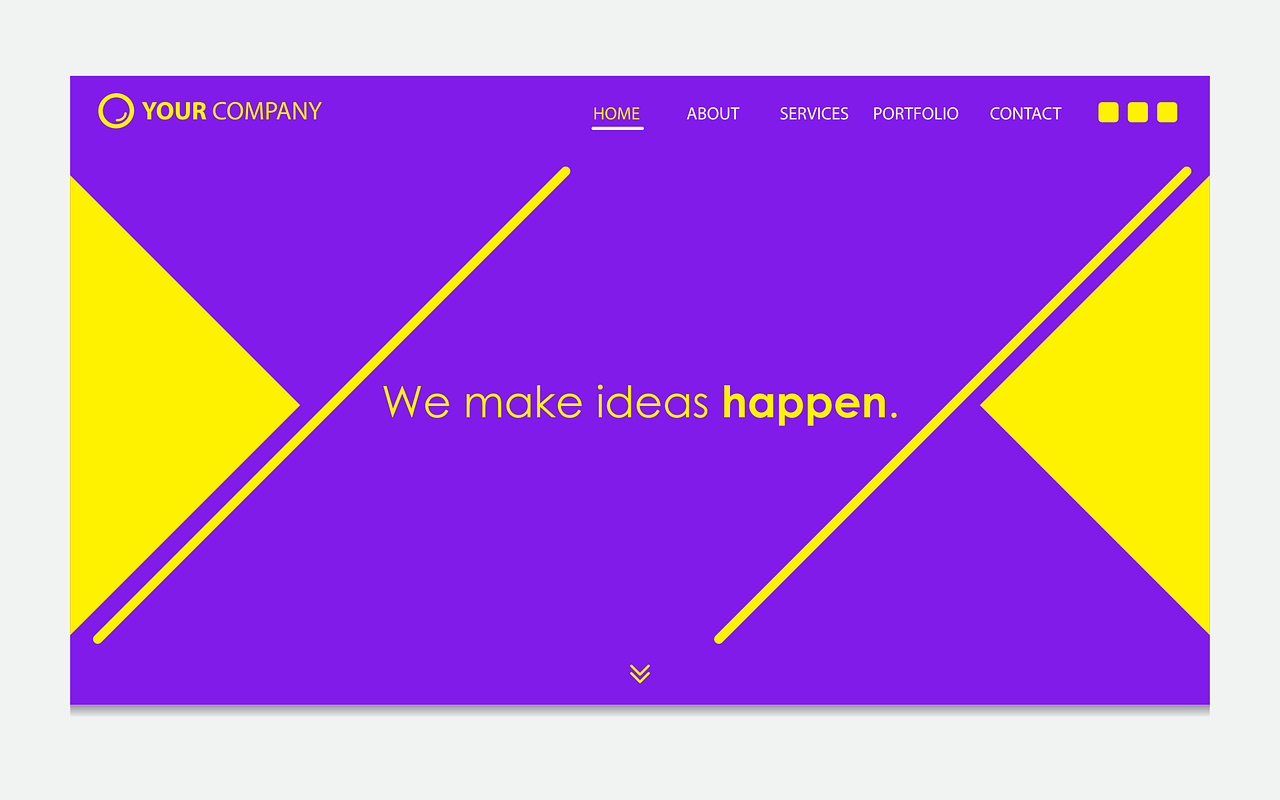

How to Create Compelling Landing Pages That Convert
Landing pages are crucial in any digital marketing strategy as they capture leads and drive conversions. A landing page is designed for a specific marketing campaign, focusing visitors on a particular action. Crafting compelling landing pages hinges on understanding user psychology and preferences. Use targeted language and engaging visuals to persuade your audience effectively. Begin by defining your goals; whether you want visitors to sign up for a newsletter, download an e-book, or make a purchase, clarity is key. Additionally, employing strong calls-to-action (CTAs) helps guide visitors towards the desired action. Ensure that these CTAs are visible, clear, and action-oriented to encourage conversions. A/B testing different elements on your landing page can also yield valuable insights on user behavior. This helps you fine-tune design, content, and layout for optimal effectiveness, leading to higher conversion rates. Don’t underestimate the power of mobile optimization; a significant amount of online traffic comes from mobile devices. Tailoring your pages for mobile users can make a substantial difference in engagement and conversion outcomes.
When designing landing pages, remember that simplicity is vital. A clean, uncluttered design minimizes distractions, allowing visitors to focus on the intended message. Utilize whitespace effectively to create balance and highlight essential components, such as CTAs. Incorporating persuasive copy that speaks directly to your audience’s needs and desires is crucial. Use concise language that addresses their pain points and benefits directly, making your offering irresistible. Additionally, including testimonials, user reviews, or trust badges can enhance credibility. These elements assure visitors of the value and reliability of your proposal. Next, use captivating headlines that grab attention and convey the core value proposition instantly. A compelling headline should resonate with the target audience while motivating them to read further. Utilize high-quality images or videos, as visuals can significantly influence visitor engagement; ensure the media aligns with your brand and message. Moreover, consider integrating lead magnets, such as free trials or exclusive content, to compel visitors to provide their information. Offering something valuable in return not only builds trust but increases the likelihood of conversion.
Testing and optimization are cornerstones of effective landing pages. Leverage A/B testing to assess which elements perform better, whether it’s different headlines, images, or CTA placements. Over time, observe how these adjustments impact conversion rates. Analytics tools can provide insights into user interaction with your pages; monitor metrics such as bounce rates, scroll depth, and time spent on the page. Understanding which elements worked well or poorly will help you make informed decisions on further adjustments. Your landing page should also be continually updated based on changing user preferences and market trends. This responsiveness ensures your pages remain relevant and compelling, even as technology and user behavior evolve. Regular updates may include refreshing content, images, or promoting seasonal offers to sustain interest. Selecting the right tools for creating and analyzing landing pages can enhance your efforts significantly; tools like Unbounce and Leadpages simplify the design process while providing analytics. Moreover, integrating with CRM systems allows for streamlined lead nurturing and follow-ups.
SEO Considerations for Landing Pages
Integrating SEO strategies into your landing pages can enhance visibility and drive organic traffic. Identify relevant keywords that align with your target audience’s search intent; these keywords should be strategically placed in the title, headers, and body text. Tools such as Google Keyword Planner can help uncover terms that resonate with users. Moreover, optimizing page load speed can significantly influence user experience and rankings; pages that load slowly deter potential conversions. Ensure your landing page is equipped with alt tags for images, as this aids search engines in understanding your content. Additionally, creating a mobile-friendly design is essential; with many users accessing websites via smartphones, responsiveness is critical. Including internal links to other relevant pages can also improve SEO; this established connection helps guide visitors through your site. Lastly, implement tracking parameters in your URLs to identify the effectiveness of specific campaigns. Proper analysis of this data will enable ongoing refinement of your landing pages, resulting in more successful marketing efforts in the long run.
Call-to-Action (CTA) elements are pivotal to encouraging user engagement on your landing page. The placement and wording of CTAs can significantly influence conversion rates. Ensure that they are bold and visually distinct to capture attention immediately. Effective CTAs should use action-oriented language that conveys urgency, such as ‘Get Started Today’ or ‘Sign Up Now.’ Position them strategically throughout the landing page; include CTAs both at the top and bottom of the page, as well as possibly in the middle, to cater to varying visitor behaviors. Testing the effectiveness of different CTAs will yield insights on what resonates best with your audience. Moreover, consider customizing CTAs based on user demographics or behavior. Personalization can create a more relevant experience, increasing the likelihood of conversion. Include multiple opportunities for users to take action without feeling pressured or overwhelmed. Each CTA should feel natural within the flow of your page content, reinforcing the message rather than disrupting it. Ultimately, a well-crafted CTA can turn potential interest into tangible results, making it a focal point of your landing page design.
Enhancing user experience (UX) on your landing page is paramount for effective conversions. A seamless UX makes navigation easy, encouraging visitors to stay longer. Focus on intuitive navigation options, ensuring users can find information quickly. Employing a clear and logical layout that flows naturally can guide users effortlessly throughout the page. Highlight crucial information using bullet points or subheadings to provide scannable content. This technique facilitates quick comprehension and helps users identify key data promptly. Engaging content is essential; consider integrating multimedia elements like videos or infographics, as these can enrich user experience and retention. Real-life examples of how your product or service works can also create a tangible connection. However, avoid cluttering the page with excessive information; brevity is valuable. Keep your content succinct and to the point, ensuring every word serves a purpose. Moreover, implementing a clear value proposition at the top of the page sets the stage for what the user can expect. Doing so will establish your credibility and provide motivation for further engagement. Remember, a positive user experience translates into higher conversion rates and customer satisfaction.
Utilizing Analytics for Continuous Improvement
Analytics play a crucial role in understanding the effectiveness of your landing pages. Evaluating user behavior metrics helps gauge which elements capture attention and drive conversions. Use tools like Google Analytics or Hotjar to analyze visitor behavior, including bounce rates and click-through rates. A deep dive into this data reveals insights into user interactions and preferences, allowing you to identify areas for improvement. For example, if a high bounce rate is observed on a specific page, consider revising content or layout to keep visitors engaged. Regularly reviewing analytics can also spotlight trends over time, informing your broader marketing strategies. Understanding which traffic sources convert best is essential; optimize your campaigns based on this data to maximize efficiency. Moreover, conduct user surveys or feedback sessions to unlock qualitative insights directly from users. Their perspectives can unveil straightforward solutions that quantitative data might overlook. Lastly, set tangible conversion goals and monitor progress regularly. Continuous improvements based on analytics insights foster an adaptable marketing strategy that evolves with user behavior and preferences, ensuring ongoing success in your digital campaigns.
In summary, creating compelling landing pages that convert requires a combination of strategy, design, and ongoing optimization. Understanding your audience, creating engaging content, and employing effective CTAs form the foundation of any successful landing page. Prioritize clarity and simplicity in design while continuously testing various elements to discover what resonates. SEO integration enhances visibility and draws organic traffic, while analytics tools provide insights to inform future decisions. Focus on improving user experience by refining messaging, layout, and call-to-action placements. Consistently revisiting and updating your landing pages allows you to stay relevant and engage your audience effectively. Landing pages are not static; they should evolve based on user needs, preferences, and market trends. With these strategies in mind, you can create landing pages that effectively convert visitors into long-term customers. Remember, every small adjustment can significantly impact overall performance. By prioritizing user experience and providing value consistently, you can set your brand apart in the competitive digital landscape. Leveraging analytics for insights ensures your landing pages adapt and improve, resulting in sustained conversion growth over time.