
The Impact of Energy Efficiency Measures on Electricity Consumption Trends
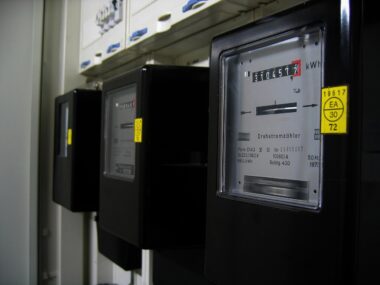
The landscape of electricity consumption is undergoing transformative changes due to the implementation of energy efficiency measures. As nations focus on reducing their carbon footprint and optimizing resource usage, these measures play a crucial role. Various strategies, from upgrading infrastructure to adopting smart technologies, have significantly influenced consumption patterns. For instance, implementing more efficient lighting solutions can lead to substantial energy savings in residential and commercial sectors. According to studies, households that switch to LED bulbs can expect reductions in consumption by up to 75%. Additionally, the deployment of smart meters allows consumers to monitor usage in real time, encouraging them to adjust behaviors. By integrating energy-efficient appliances into homes, significant reductions in overall consumption can be achieved. These appliances consume less energy while providing the same or even improved performance. Overall, such measures not only contribute to lowered electricity bills for consumers but also help to stabilize the energy grid. The collective impact of these strategies is markedly positive, revealing a direct link between energy efficiency and decreased electricity usage, underscoring the importance of continued investment in these initiatives.
Understanding the Trends in Electricity Consumption
Over the past decade, electricity consumption trends have seen notable shifts attributable to various factors, including economic growth and climate considerations. The rise in awareness regarding environmental sustainability has led consumers and industries alike to adopt practices aimed at reducing their energy usage. According to recent statistics, global electricity consumption surged by approximately 3% annually, indicating an increasing demand for energy services. However, within this overall growth, energy-efficient technologies have emerged as essential tools for managing and potentially reducing electricity consumption rates. For example, industries that have incorporated energy management systems report productivity increases alongside reductions in energy use. Moreover, government policies and incentive programs also significantly affect consumer behavior. Programs promoting solar energy installations and energy-efficient appliances have gained traction, further driving down consumption levels. Additionally, public awareness campaigns about energy conservation have resulted in more informed consumer choices. As these trends continue, they support the important notion that energy efficiency measures can abate rising electricity demand by fostering sustainable consumption practices. Consequently, understanding these evolving trends is vital for strategic planning within energy sectors globally. Investments in efficiency measures transform the overall electricity use landscape passionately.
Furthermore, the integration of renewable energy sources significantly contributes to changing electricity consumption trends. As the world increasingly recognizes the importance of sustainable energy, technologies such as solar and wind energy gain traction. These renewable sources not only provide clean energy but also help reduce dependence on fossil fuels, which are often associated with higher carbon emissions. The widespread adoption of solar panels, for example, empowers homeowners to generate electricity, leading to decreased reliance on grid power. As renewable energy becomes more affordable and accessible, consumers are shifting their electricity sourcing preferences toward these options. Additionally, energy efficiency measures complement the transition to renewable energy by minimizing waste in the system. This synergy can enhance the overall effectiveness of energy consumption reduction strategies. Some governments offer financial incentives or tax credits for those investing in renewable energy installations, encouraging more individuals to participate in this energy transition. Consequently, households and businesses are witnessing significant decreases in their monthly electricity bills. This growing trend shows a collective recognition of energy efficiency and renewables’ essential roles in shaping future energy consumption patterns and ensuring environmental sustainability.
The Role of Government Policies
Government policies play a pivotal role in influencing electricity consumption through the encouragement of energy efficiency measures. Legislative frameworks set the tone for energy use practices, guiding consumers toward adopting more efficient options. For example, regulations that mandate energy-efficient standards in appliances ensure that new products released in the market meet minimum performance levels. Additionally, governments often implement financial incentives, such as rebates and tax credits, to encourage consumers toward efficiency investments. These measures not only enhance energy savings but also promote technological advancements in energy efficiency. By collaborating with utility companies, governments can develop programs that incentivize the adoption of energy-saving technologies. Educational initiatives raise awareness among consumers regarding the benefits of energy-efficient choices. Moreover, these policies can drive innovation, leading to the development of new technologies that further reduce consumption. This collaborative approach not only results in immediate benefits for consumers but also supports long-term energy sustainability goals. Understanding the importance of adapted policies in influencing consumption trends is essential for drafting effective legislative measures that prioritize energy efficiency in the future, ensuring sustainable practices are embedded into society.
Moreover, the correlation between energy efficiency measures and consumer behavior is increasingly evident in recent studies. As energy prices fluctuate, many consumers actively seek ways to optimize their usage to mitigate rising costs. Energy-efficient technologies, such as smart thermostats, allow users to automate heating and cooling systems based on their personal schedules, drastically cutting energy waste. A survey indicated that households using smart home technologies effectively reduced their electricity consumption by over 20%. As these tools become more widespread, they change the way consumers perceive and engage with their energy usage. Concurrently, the marketing strategies employed by utility companies also affect consumer attitudes toward energy consumption. By utilizing easy-to-understand data visualizations, companies illustrate the environmental and financial benefits associated with energy efficiency measures. This information empowers consumers to make better-informed choices regarding their energy usage and leads to increased adoption of new technologies. Furthermore, an engaged consumer base dedicated to energy efficiency not only boosts individual savings but collectively contributes to a more sustainable energy landscape. This evolution marks a significant departure from traditional consumption patterns, emphasizing the potential of informed consumer behavior in reducing overall electricity demands.
Future Prospects and Innovations
The future of electricity consumption is intricately linked to ongoing innovations and developments in energy efficiency measures. As technologies continue to evolve, we can expect to see even more sophisticated tools that promote sustainable usage. Innovations such as advanced energy management systems, artificial intelligence for energy forecasting, and IoT devices for real-time usage monitoring are rapidly changing how energy is consumed. For instance, integrating AI algorithms with smart grids allows for optimizing energy distribution based on demand, significantly reducing waste. Additionally, research into battery technology is paving the way for more effective storage solutions, allowing surplus energy generated during peak production times to be stored and utilized later. These advancements are crucial in the transition to renewable energy sources, ensuring that energy is available when needed. Furthermore, investments in energy efficiency research and development will yield new technologies that enhance the resilience of the energy grid. The emergence of decentralized energy solutions also plays a vital role, encouraging consumers to partake in the energy market. Thus, the convergence of innovation, policy, and consumer behavior shapes the future landscape of electricity consumption sustainably and responsively.
In conclusion, the impact of energy efficiency measures on electricity consumption trends is profound and multifaceted. As evident from the discussions above, these strategies directly influence consumer behavior, corporate practices, and government policies. The synergy between renewed energy sources and efficiency measures underscores a shared responsibility to mitigate energy use and lower bills. Individuals, businesses, and governments alike must adopt and support these evolving practices to facilitate sustainable progress. Encouraging energy-efficient technologies and renewable energy solutions will foster greater public awareness and ultimately lead to reduced energy reliance. This collective effort can significantly contribute to sustainability goals while strengthening economic growth in the energy sector. The viability of energy efficiency measures in shaping consumption trends is clear, and their promotion is crucial. Continuous support for research and development in this field will drive the necessary innovations that address future challenges. Through collaboration across sectors, real progress can be made towards understanding and managing electricity consumption’s impact. This integrated strategy is essential for ensuring a sustainable future aligned with the growing demands for energy and the urgency to protect our environment.
Ultimately, engaging consumers in this journey toward energy efficiency is vital. As societal awareness regarding climate change increases, informed individuals can drive further change in how energy is consumed. Educational programs and marketing campaigns can play crucial roles in facilitating this awareness, helping consumers see their individual impacts on electricity consumption. Programs that demonstrate practical methods for reducing energy use can empower everyone to take actionable steps toward sustainability. Moreover, community initiatives that focus on collective energy solutions can amplify individual contributions, yielding broader societal benefits. In addition, businesses can benefit from actively promoting energy efficiency by developing sustainable practices. By being transparent about their processes, companies can attract environmentally conscious consumers while reducing operational costs. Engaging these stakeholders creates a holistic approach to addressing electricity consumption, where each participant understands their role. Collaboration and transparent communication help develop a shared vision for sustainable energy use, essential for achieving one’s goals. Thus, fostering an energy-efficient culture requires collective efforts that prioritize education, innovation, and resourcefulness to reduce consumption actively and responsibly.