
Using Data Analytics to Identify Cash Outflow Inefficiencies
In today’s business landscape, effective cash flow management is crucial for maintaining operational stability and ensuring long-term growth. Companies often overlook the subtle inefficiencies embedded within their cash outflows, which can significantly impact overall financial health. By employing data analytics, organizations can uncover these inefficiencies, ensuring that outflows are meticulously monitored. Data analytics, when integrated into cash flow management strategies, allows businesses to analyze patterns in spending, identify anomalies, and derive actionable insights. Effective utilization of analytics tools can lead to a comprehensive understanding of where unnecessary expenditures occur, enabling firms to take proactive measures. Moreover, through historical data review, businesses can forecast future cash flows, thus identifying potential issues before they escalate into severe financial challenges. The aggregation of data encourages a culture of accountability and encourages teams to scrutinize spending mandates closely. Ultimately, investing in data analytics serves as a game changer for organizations seeking to enhance their cash management practices, driving efficiency in operations while reducing unnecessary cash outflows that could otherwise hinder growth prospects.
The application of data analytics in managing cash flow extends to reviewing vendor commitments and evaluating service contracts. Vendors are pivotal to cash outflow dynamics since their payments often form the bulk of operational expenses. By analyzing expenses associated with different vendors, businesses can identify opportunities for renegotiations or consolidations. For example, data analytics can reveal spent amounts by vendor, frequency of transactions, and compliance with the agreed terms. Through this detailed analysis, organizations can identify vendors who may not provide commensurate value for their costs. Furthermore, leveraging comparative analytics across multiple vendors allows organizations to make informed decisions that prioritize cost-effectiveness. This may involve seeking alternate vendors with better pricing structures or consolidating orders to negotiate bulk purchasing discounts. Improved vendor management translates into decreased costs and enhances cash flow in the long run. Additionally, business intelligence reports can facilitate a strategic approach to vendor relations, ensuring that companies negotiate favorable terms that align with their financial interests while fostering relationships based on data-driven decision-making. This ensures that cash outflows remain as efficient as possible, thus reinforcing financial stability.
Utilizing Predictive Analytics for Future Cash Flow
Predictive analytics plays a vital role in shaping cash flow strategies through the assessment of future trends based on historical data. By leveraging advanced algorithms, businesses can make data-driven predictions regarding potential cash inflows and outflows, significantly enhancing their financial forecasting accuracy. These predictions offer invaluable foresight, enabling managers to make informed decisions aimed at mitigating future cash flow challenges. By integrating predictive models with financial performance metrics, companies gain a more nuanced understanding of their cash flow cycles. This analysis can guide leadership in determining optimal timing for payments, managing inventory levels, and adjusting operational expenditures in alignment with projected cash availability. Furthermore, organizations can respond proactively to seasonal fluctuations that impact cash flow, thereby enhancing liquidity management. Additionally, such foresight allows for better planning around capital investments and other strategic initiatives, ensuring that funds are allocated efficiently, thus reducing unnecessary outflows. The result is a focused approach that maximizes resource utilization and promotes healthier cash flow operations amid dynamic market conditions, reinforcing the importance of predictive analytics in fostering long-term financial resilience.
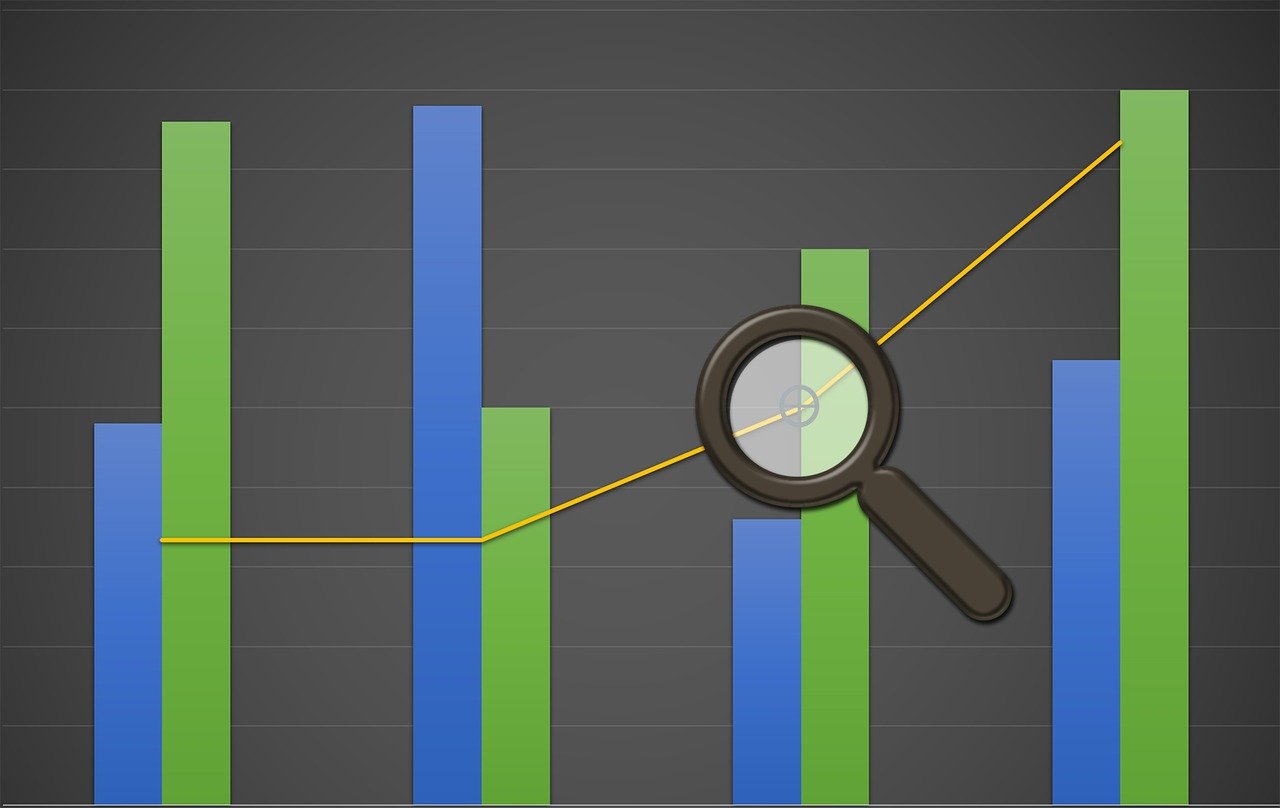
Beyond predictive analytics, organizations can harness visualization tools to convert complex data into understandable insights. Visualization techniques such as dashboards and infographics facilitate the representation of cash flow metrics in a user-friendly manner, enabling stakeholders to grasp essential information quickly. These tools enhance awareness and foster transparency throughout the organization, encouraging cross-departmental collaboration. By presenting cash outflow data visually, teams can pinpoint inefficiencies and collaboratively develop strategies to address them. For example, if a visualization reveals increasing costs in specific areas, project teams can work together to investigate the root causes of these trends. Moreover, real-time data updates through dashboards allow finance teams to monitor variations closely, making timely adjustments to spending as needed. Effective visualization enables everyone in the organization—from executives to operational staff—to understand the critical cash flow metrics that impact overall business health. Consequently, fostering a culture of data-driven decision-making promotes accountability while enhancing the financial acumen of all stakeholders, ensuring that cash outflows are regularly scrutinized for inefficiencies that can be mitigated over time.
Implementing Key Performance Indicators (KPIs)
Defining and implementing Key Performance Indicators (KPIs) is essential for evaluating cash flow management effectiveness in organizations. KPIs provide measurable benchmarks that are critical for understanding how well cash outflows are aligning with established goals. Metrics such as days payable outstanding (DPO) and cash conversion cycle (CCC) help organizations track their cash efficiency and identify areas for improvement. By monitoring KPIs, businesses can pinpoint outliers and inefficiencies within their cash flow processes. For instance, an unusually high DPO may indicate a need to audit vendor relations or assess the appropriateness of payment terms. Additionally, tying KPIs to employee performance metrics fosters a culture of accountability and empowers teams to focus on driving improvements. The establishment of these performance indicators also paves the way for data-driven reporting, which enhances communication regarding cash flow trends and areas needing corrective actions. Consequently, KPIs play a transformative role in ensuring that cash outflow management practices are not just reactive but strategically aligned with the company’s objectives. By implementing effective KPIs, organizations maintain a clearer vision of their financial health while promoting efficiency across their cash flow landscape.
Automation presents another avenue for enhancing cash flow management by reducing inefficiencies in processes. By automating routine cash outflow tasks, such as invoice approvals and payment processing, organizations can minimize the risk of human error while creating more efficient workflows. Automation ensures faster processing times, thereby improving supplier relationships and taking advantage of early payment discounts. Furthermore, resource allocation can shift towards more critical analytical tasks instead of time-consuming administrative duties when automation is embraced. This shift not only enhances productivity but also allows finance teams to focus on strategic initiatives aimed at optimizing cash outflow. Additionally, automated systems provide real-time insights into cash flow movements, enabling organizations to respond swiftly to any anomalies. This capability is especially critical in dynamic market conditions where adaptability is key. Furthermore, automation promotes compliance with established cash management policies, ensuring that spending habits align closely with the company’s financial objectives. Ultimately, adopting automation within cash flow management strategies complements analytics and data practices, resulting in streamlined operations that effectively keep cash outflows in check while supporting strategic growth outcomes.
Continuous Improvement Through Analysis
The final piece in mastering cash flow management through data analytics lies in the ongoing commitment to continuous improvement. Organizations must not view cash flow analytics as a one-time initiative, but rather as an evolving process aimed at ongoing optimization. Regularly reviewing expenses, vendor contracts, and achieving operational efficiency creates a culture of accountability that prioritizes minimizing waste. By establishing a feedback loop that incorporates insights gained from ongoing data analysis, organizations can adapt their strategies to the ever-changing market landscape. This iterative approach encourages teams to stay alert, adapting their financial tactics in response to shifting cash flow dynamics and emerging inefficiencies. Monthly or quarterly reviews of cash flow analysis reports can lead to discussions on alternative solutions, thus fostering collaboration and shared ownership over financial performance. Furthermore, integrating employee input into these discussions promotes an inclusive culture where everyone contributes to optimizing cash flow efficiency. Ultimately, embracing this continuous improvement mindset equips businesses to be agile, allowing them to navigate complex financial challenges while sustaining a clear focus on sustaining positive cash flow outcomes in the long run.
In conclusion, leveraging data analytics to identify cash outflow inefficiencies is vital for any organization striving for long-term financial success. By employing advanced techniques such as predictive analytics, visualization tools, KPIs, and automation, businesses can optimize their cash flow management processes while reducing unnecessary expenditures. The insights derived from data empower organizations to make informed decisions that align spending patterns with strategic objectives. Moreover, fostering a culture of continuous improvement encourages teams to remain vigilant, ensuring that cash outflows are monitored effectively and efficiently over time. Through a structured approach to data-driven decision-making, companies can enhance their operational efficiency, strengthen their financial standing, and ultimately position themselves for sustained growth. The journey toward efficient cash flow management necessitates an ongoing commitment to analyzing, refining, and adapting strategies in response to emerging trends and challenges. Continuous engagement with cash flow data allows organizations to make timely adjustments that enhance liquidity and profitability. Therefore, investing time and resources into mastering cash flow analytics serves as a cornerstone for businesses looking to thrive in a competitive environment, effectively mitigating risks while maximizing opportunities for success.