
Leveraging CRM Dashboards for Real-Time Customer Data Analysis
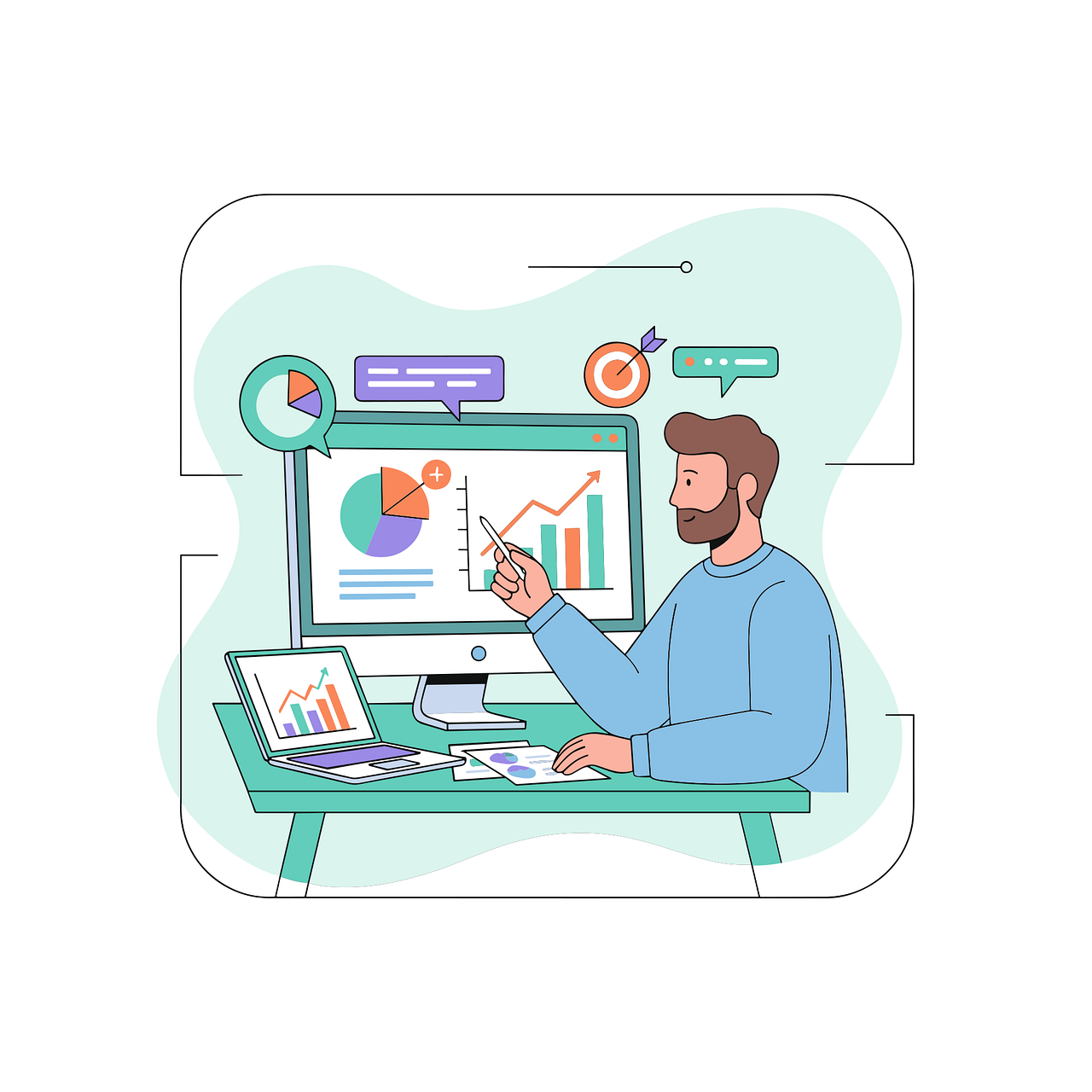
CRM dashboards serve as an essential tool for businesses aiming to improve customer relationships by providing insightful, real-time data analysis. These dashboards allow companies to visualize customer interactions, track sales performance, and monitor marketing effectiveness. By customizing dashboards to fit organizational needs, teams can focus on relevant metrics and KPIs that drive strategic decisions. A user-friendly interface helps team members access necessary information quickly, enhancing their ability to collaborate effectively. Furthermore, customizable dashboards can integrate various data sources, giving a comprehensive view of customer engagement across different channels. By highlighting crucial insights and metrics, businesses can make informed decisions to enhance customer satisfaction and loyalty. Moreover, real-time analytics mean that businesses can respond rapidly to changing customer needs and market conditions. As a result, they can adapt services and products more quickly than competitors who rely on more traditional reporting methods. In conclusion, leveraging CRM dashboards not only streamlines data analysis but also fosters a customer-centric approach that benefits both the company and its clients.
One of the primary benefits of CRM dashboards is the ability to see sales performance in real-time, allowing for prompt adjustments and strategic planning. Sales teams, utilizing well-structured dashboards, can track conversion rates, identify high-performing products, and pinpoint areas needing improvement. For instance, if a specific product is underperforming compared to projections, teams can devise targeted strategies to boost sales, whether through promotional offers or adjustments in marketing tactics. Additionally, dashboards provide insights into the sales pipeline, revealing bottlenecks that can hinder customer satisfaction and sales efficiency. By harnessing these insights, managers can quickly implement necessary changes, ensuring a better customer experience. Furthermore, these dashboards often come with predictive analytics capabilities, enabling businesses to forecast sales trends based on historical data, enhancing the ability to plan effectively. By establishing dynamic goals based on real-time data, teams can remain agile and proactive. The ability to compare actual performance against targets can also motivate sales personnel, thus improving the overall performance of the sales organization. In summary, real-time visibility into sales performance through CRM dashboards is invaluable for strategic adjustments.
Customer engagement is another critical area that benefits from the insights offered by customizable dashboards. Understanding customer behavior allows businesses to tailor their offerings to meet specific needs more effectively. Dashboards can highlight key metrics such as engagement rates, purchase frequency, and customer feedback, enabling organizations to create targeted marketing campaigns. These insights not only facilitate the identification of trends within customer behavior but also allow organizations to segment their customer base effectively. By customizing parameters and filters within the dashboard, teams can gain insights on different customer demographics, purchase histories, and preferences. This segmentation can empower organizations to design personalized experiences for their customers, enhancing satisfaction and loyalty. Furthermore, using dashboards to analyze customer feedback and satisfaction scores helps organizations identify areas needing improvement. For instance, if the data reveals declining satisfaction scores, businesses can address issues proactively, ensuring that their clients feel heard and valued. Regular reviews of this data through a customizable dashboard empower teams to adapt quickly to customer needs and preferences, ultimately fostering a committed customer base. Overall, CRM dashboards yield powerful insights that enhance engagement strategies.
Data Integration and Centralization
A key feature of CRM dashboards is the ability to centralize data from various sources—an invaluable capability in today’s multi-channel environment. Businesses can integrate social media metrics, email campaign data, and website analytics into their custom dashboards. This centralization allows for a comprehensive view of customer interactions across multiple platforms, providing deep insights into overall performance. When businesses can see how customers engage across different touchpoints, they can optimize their marketing strategies accordingly, ensuring messages resonate with target audiences. Furthermore, integrating data helps eliminate silos within organizations, fostering cooperation between departments. Sales, marketing, and customer service teams can all access the same dashboard, enabling collaborative decision-making based on shared insights. This improves cohesion and collective accountability towards customer goals. Dashboards can also highlight discrepancies between expected and actual outcomes, allowing businesses to make immediate corrections. By utilizing real-time data and a centralized overview of all customer interactions, companies can fine-tune their strategies for maximum effectiveness. This integrative approach not only enhances business efficiency but also elevates the customer experience significantly. In essence, data integration within CRM dashboards provides businesses with unparalleled insights.
Another vital aspect of customizable CRM dashboards is continuous monitoring of marketing effectiveness. It is essential for businesses that want to maximize their return on investment in marketing campaigns. Dashboards can track key metrics such as click-through rates, conversion ratios, and customer acquisition costs. Knowing these metrics enables marketers to identify which campaigns yield positive results and which do not. Consequently, businesses can allocate resources more judiciously, investing in high-performing campaigns and revising or eliminating underperforming initiatives. Moreover, dashboards often allow for A/B testing, giving teams the ability to experiment with different marketing approaches to refine their strategies further. This iterative process fosters a culture of continuous improvement while also helping businesses stay relevant and connected with their audience. Additionally, through dashboard analytics, organizations can gauge customer sentiment and brand perception, adjusting their messaging accordingly. Resultantly, businesses become more responsive to market dynamics, which is vital for staying competitive. With improved insights into marketing performance via dashboard tools, organizations can achieve more effective communication with customers and increase overall brand loyalty. Ultimately, continuous monitoring substantially enhances marketing efforts.
Enhancing Customer Support
Customizable dashboards in CRM systems also play a critical role in enhancing customer support. By providing support teams with immediate access to valuable customer data, teams can deliver more personalized and efficient service. Agents can see customer’s past interactions, issues, and preferences, allowing them to resolve queries promptly without needing customers to repeat information. Such streamlined communication contributes significantly to customer satisfaction, as clients appreciate quick and effective resolutions. Furthermore, dashboards can track the responsiveness and effectiveness of customer support agents, ensuring accountability. This way, organizations can identify high performers as well as those who may require additional training or resources. Continuous monitoring helps in optimizing support processes, ensuring that customers receive timely assistance. Additionally, integrating customer feedback into support dashboards can guide improvements in service delivery and align them with customer expectations. This feedback-driven approach prioritizes customer needs and fosters a commitment to service excellence. By leveraging data-driven insights, organizations can adapt their support strategies effectively, ensuring that they meet clients’ ever-evolving needs. Thus, advancing customer support through customizable dashboards leads to exceptional service levels.
In conclusion, leveraging customizable CRM dashboards for real-time data analysis is essential for modern businesses. Such tools offer profound benefits, enhancing decision-making processes and customer interactions. By providing real-time insights across various departments, dashboards help foster collaboration, ensuring teams work towards unified goals. Data centralization empowers businesses to analyze trends, make adjustments promptly, and stay ahead of competitors in a rapidly changing market. Additionally, CRM dashboards facilitate personalized marketing efforts that resonate with specific target audiences, ultimately improving customer loyalty. Equally important is the role of dashboards in enhancing customer support strategies. With immediate access to critical customer data, support teams can address issues efficiently, transforming customer experiences positively. Moreover, continuous monitoring of performance metrics creates a culture of accountability and improvement across the organization. Real-time analytics drive responsiveness to market dynamics, helping businesses adapt strategies swiftly. In a customer-centric world, the importance of utilizing data-driven strategies through customizable dashboards cannot be overstated. Businesses that invest in these systems not only ensure better customer relationships but also position themselves for long-term success in a competitive landscape.
Leveraging customizable CRM dashboards for enhanced customer relationships helps companies stay proactive and strategic in their operations. By continuously analyzing key performance indicators, teams can identify trends and areas of improvement without delays. This proactive approach distinctly positions businesses to meet evolving customer needs. At the forefront of organizational innovation, CRM dashboards help streamline workflows, support collaboration, and enhance overall productivity. The visualization of data empowers teams to make informed decisions based on comprehensive insights rather than gut feelings. Organizations that harness the potential of dashboards cultivate a data-driven culture that prioritizes factual analysis over instinctual strategies. Therefore, adopting this mindset not only leads to better targets being set but also increases accountability throughout the organization. CRM dashboards enable effective tracking and measurement of both individual and team performance over time, which is essential to continually improving customer relations. When people feel accountable and that their work is visible, it fosters motivation and engagement. Thus, businesses can also derive clearer insights on employee performance, leading to necessary training for improvement. Ultimately, successful dashboard utilization translates to better results, creating value in customer interactions.