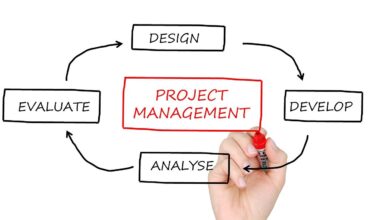

The Importance of Communication in Payroll Budgeting
Effective communication plays a crucial role in payroll budgeting. Without it, misunderstandings can lead to budget discrepancies and dissatisfaction among employees. Clear communication allows for the optimal distribution of funds and resources. By articulating the rationale behind budgetary decisions, payroll professionals can foster trust and transparency within a company. On the other hand, poor communication often results in confusion, misallocation of funds, and potential payroll delays. Employees should have a clear understanding of their compensation structure, including wages, bonuses, and deductions. Employers need to ensure that all relevant information is readily accessible. To enhance communication in payroll budgeting, it is essential to utilize various methods, such as meetings, emails, or internal platforms. Regular updates and open channels for feedback foster a collaborative environment. Moreover, presenting detailed breakdowns of budgetary allocations can provide assurance to employees that their concerns are being addressed. Ultimately, prioritizing clear communication will lead to a more efficient payroll process and a happier workforce. An informed employee is more likely to feel valued and motivated, contributing positively to the overall organizational culture.
Moreover, involving employees in the budgeting process can significantly enhance outcomes. When employees have a say in how their wages and benefits are allocated, it empowers them and promotes a sense of ownership. Engaging in discussions regarding budgetary constraints or adjustments encourages openness. Furthermore, this participative approach elevates trust levels between management and employees, as they perceive management as receptive to feedback. Different teams, like HR and finance, could also collaborate closely during the budgeting. They can provide valuable insights and perspectives that lead to more comprehensive and balanced payroll decisions. Cross-departmental meetings help align everyone’s expectations and clarify financial objectives. Additionally, adopting a feedback mechanism, whether through surveys or suggestion boxes, lets employees voice their concerns and recommendations. These channels for feedback not only improve communication but also assist in identifying areas for improvement. By creating transparent communication pathways, organizations can effectively gather diverse insights, enhancing the budgeting process. Finally, a better-informed workforce will naturally contribute to improved productivity and morale, leading to a more engaged team committed to their roles.
Utilizing Technology for Better Communication
In today’s digital era, technology serves as an effective tool for enhancing communication in payroll budgeting. Utilizing payroll software can streamline the information-sharing process and ensure real-time data access. Many platforms offer user-friendly interfaces, allowing employees to view their pay stubs, tax information, and other relevant payroll details easily. By integrating payroll systems with communication tools, employees can readily access the necessary information without confusion. Furthermore, automating notifications regarding budget updates or changes in payroll policies reduces reliance on manual communication. Additionally, utilizing collaborative platforms enables cross-departmental teams to share insights and resources seamlessly. Such tools enhance transparency in the payroll budgeting process and promote a culture of teamwork. Video conferencing can also facilitate meetings, fostering engagement, and ensuring that all participants remain connected and aware. By embracing technological innovations, organizations can reduce communication barriers, leading to a more efficient payroll budgeting process. Ultimately, technology enhances transparency, engagement, and understanding of budgetary implications among all stakeholders involved, revealing a modern approach to payroll management that aligns with employee expectations and business needs.
Moreover, all communication surrounding payroll budgeting should be precise and transparent. This includes explaining decisions on salary increments or adjustments during economic fluctuations. If employees understand how external factors affect their income, they are more likely to be empathetic towards management decisions. Emphasizing transparency can mitigate resistance and foster resilience within the workforce. Furthermore, presenting the payroll budget in a structured manner can enhance comprehension. Using visual aids, such as charts or infographics, can simplify complex data and effectively convey key messages. Employees often respond better to visual representations compared to lengthy reports. For example, showing comparisons between previous and current payroll budgets visually can highlight trends. Similarly, if there are anticipated changes or shifts in budget allocation, it’s vital to communicate these well in advance. Providing a forum for questions serves to clarify concerns, ensuring everyone is on the same page. Responsive communication allows employees to feel involved and valued in the budgeting process. Overall, prioritizing clarity enhances trust among employees, contributing to a harmonious workplace atmosphere.
Feedback Mechanisms in Payroll Budgeting
Implementing effective feedback mechanisms can significantly impact payroll budgeting. These systems engage employees, allowing them to express their thoughts regarding how budgets are allocated. By closing the feedback loop, employers show value towards their staff’s opinions, which can foster an engaged culture. Surveys about payroll experiences or budgetary priorities can gather diverse perspectives that may be overlooked during planning stages. It is crucial for management to analyze this feedback and incorporate suggestions where applicable. Moreover, regular feedback sessions or focus groups enable deeper insights into employee sentiments. Employees may feel comfortable sharing their views in these settings, resulting in more comprehensive data. Furthermore, documenting feedback trends over time can help highlight consistent issues or successes within the payroll budgeting process. By proactively addressing concerns raised through feedback, companies can refine their budgeting strategies. This, in turn, leads to better allocation of resources and trust-building amongst staff. Ultimately, feedback mechanisms can transform payroll budgeting into a more inclusive process, uniting employees and management around common goals, driving organizational success.
Training plays a critical role in successful communication within payroll budgeting. Providing payroll managers with training on effective communication techniques enhances their ability to convey complex concepts. This training should include aspects such as identifying nonverbal cues, fostering active listening, and adapting messages for different audiences. Additionally, encouraging transparency in payroll policies requires training on how to explain regulations and guidelines clearly. Ensuring that payroll professionals have access to ongoing development opportunities keeps them updated on best practices. Furthermore, encouraging collaborative training sessions involving cross-departmental teams enhances understanding of each function’s role in the budgeting process. These sessions can foster relationships, promoting effective communication during actual budgeting periods. Moreover, utilizing role-playing scenarios during training can prepare payroll managers for real-life situations they may encounter. These practices help them to convey messages more effectively. Investing in training for payroll communication ensures that employees receive accurate information consistently. In turn, this can lead to increased employee confidence in the payroll system. Finally, the result is a more harmonious workplace, where communication enhances the success of payroll budgeting initiatives.
Conclusion
In summary, effective communication in payroll budgeting is vital for organizational success. Fostering an environment that promotes transparency and engagement can improve trust between management and employees. By implementing strategies such as utilizing technology, establishing feedback mechanisms, and providing ongoing training, organizations can optimize their payroll processes. Moreover, involving employees in the budgeting process enhances accountability and ownership, leading to a more committed workforce. Clear communication surrounding budgetary decisions contributes to employee satisfaction, minimizing misunderstandings. Furthermore, by presenting information in visual formats and maintaining open lines of communication, employers can ensure that every individual understands their role in the organization. The continuous improvement of communication strategies leads to a more agile, effective payroll budget. Companies that prioritize communication in this area can not only ensure compliance but also foster a supportive environment. This further translates to better organizational performance. Ultimately, the emphasis on communication within payroll budgeting enhances understanding and satisfaction, yielding a more productive workforce that can propel the organization toward its goals.