
Adaptive Performance Management in Dynamic Business Environments
In today’s fast-paced business landscape, companies face increasing pressures to remain agile and responsive to changes. Adaptive performance management practices emerge as essential strategies for businesses aiming to navigate this complexity effectively. These practices focus on fostering an environment that encourages innovation, adaptability, and continuous improvement among employees. Traditional performance management systems often fall short in dynamic environments, leading to user dissatisfaction and disengagement. In contrast, adaptive approaches facilitate real-time feedback, aligned goals, and employee involvement in the performance evaluation process. Organizations can enhance productivity by promoting flexibility, developing ongoing performance conversations, as opposed to periodic reviews. This shift transforms performance management into a growth-oriented process, aligning individual objectives with organizational goals. By using the latest technology and performance metrics, businesses can create an integrated performance system that reflects this adaptability. This section explores how innovative performance management practices not only improve employee engagement but also shape a culture that favors proactive problem-solving and continual learning. Ultimately, businesses that implement such frameworks are better positioned to thrive in unpredictable environments, ensuring both employee satisfaction and operational efficiency.
Adaptive performance management encompasses various practices tailored to the unique characteristics of fluid business environments. Key elements include setting flexible objectives, fostering open communication, and utilizing data-driven insights to guide decision-making. By creating adaptable goals, organizations empower teams to respond effectively to shifting priorities, ensuring alignment with overarching strategies. Continuous feedback mechanisms allow employees to engage in their own performance development actively, while leaders gain insights necessary for timely interventions. The embrace of technology, such as automated performance tracking tools and employee feedback platforms, also plays a crucial role in modern practices. These tools streamline processes and enhance transparency, contributing to an inclusive workplace culture. Additionally, recognizing and rewarding adaptability among employees cultivates a sense of ownership and accountability. By prioritizing adaptability, organizations can capitalize on emerging opportunities, respond to challenges swiftly, and maintain a competitive edge. Alongside these practices, training initiatives equip employees with the skills needed to thrive in a constantly evolving environment. Overall, the integration of adaptive practices fosters a resilient organization capable of navigating complexities and uncertainties, ready to face future challenges with confidence and agility.
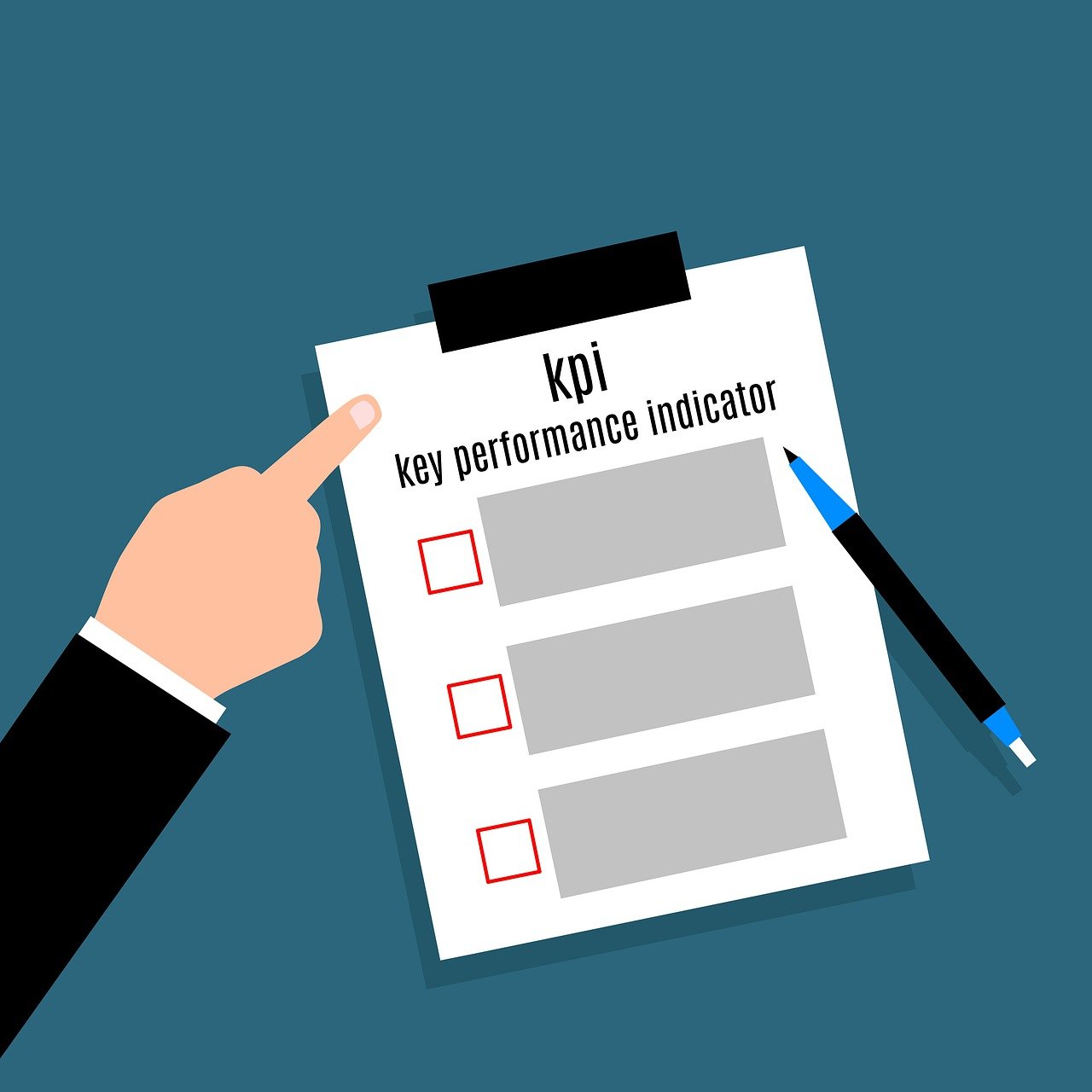
One vital aspect of adaptive performance management is the alignment of performance indicators with strategic objectives. This alignment ensures that every employee’s efforts contribute directly to the organization’s mission and vision. To achieve this, organizations need to identify key performance indicators (KPIs) that resonate with both team and individual roles. Providing clarity around these indicators helps employees understand their impact and the importance of their contributions. Furthermore, embracing a collaborative approach in developing these KPIs fosters buy-in and commitment from employees, enhancing engagement and motivation. Organizations must utilize not only quantitative metrics but also qualitative assessments to gauge performance effectively. Regular discussions around these indicators encourage employees to reflect and adapt their strategies proactively. This iterative process promotes continuous learning and empowers individuals to take control of their performance journey. Utilizing performance management software can streamline this approach, offering real-time data analysis and visualization tools. Transparency in sharing KPIs creates a shared ownership mentality among teams, driving collective success. As organizations become more adept at aligning personal goals with broader objectives, they lay the groundwork for enhanced productivity and innovation. This alignment serves as the foundation for success in rapidly changing markets.
The Role of Technology in Adaptive Performance Management
The incorporation of advanced technologies in performance management has proven transformative for organizations. Digital platforms encourage efficient communication, facilitate real-time feedback, and enable customized performance evaluations tailored to individual needs. Employees can access performance metrics online, allowing them a comprehensive view of their achievements and areas for improvement instantaneously. Examples include applications that provide instant feedback, such as peer reviews or manager assessments, all aimed at fostering continuous improvement. These tools promote clarity in expectations, providing employees with a roadmap for development. Additionally, many organizations are leveraging artificial intelligence to analyze performance data, gleaning insights that influence talent management strategies. Predictive analytics can identify trends and inform training programs that address skill gaps, creating a more skilled workforce ready to tackle emerging challenges. Beyond analytics, gamification techniques engage employees in performance management processes by introducing elements of fun and competition. While adopting technology, organizations must prioritize a balance between digital tools and human touch, ensuring that employees feel valued and understood through personal interactions. Ultimately, technology enhances adaptive performance management but is most effective when complemented by strong leadership and a culture of open communication.
Another significant component of adaptive performance management is fostering a culture of continuous learning. Embracing a growth mindset within the organization encourages employees to view feedback as a valuable tool for development rather than a punitive measure. Leaders play a crucial role in modeling this mindset, demonstrating vulnerability, and learning from mistakes. Providing access to training programs, workshops, and resources empowers employees to enhance their skills continually. Organizations that invest in learning opportunities see a marked improvement in employee satisfaction, engagement, and retention rates. Furthermore, cultivating mentorship programs can foster collaboration between experienced staff and newcomers, bridging knowledge gaps and promoting innovation. Encouraging cross-departmental learning also enriches employees’ perspectives, resulting in a workforce that is better prepared to address diverse business challenges. These initiatives underscore the importance of adaptability, as employees learn to pivot quickly based on new information or shifting demands. Continuous learning should be embedded into the organizational fabric, becoming part of the daily work culture rather than an occasional focus. By nurturing lifelong learning, businesses can equip employees with the tools necessary to succeed in an ever-evolving marketplace.
Employee involvement is a cornerstone of adaptive performance management. Engaging employees in the performance management process fosters a sense of ownership and commitment to achieving both personal and organizational goals. Organizations can achieve this through collaborative goal-setting, empowering employees to define their performance metrics. When employees feel they have a say in their performance evaluation, motivation levels increase alongside accountability. Participative practices encourage transparency and trust, as employees recognize that their contributions are valued and acknowledged. Regular meetings designed for open dialogue can enhance communication, allowing employees to voice concerns and insights that may influence strategic directions. This constant feedback loop nurtures relationships, reinforcing a culture of support rather than competition. Employers should also seek innovative ways to recognize and reward efforts, ensuring talent feels appreciated and motivated. Utilizing informal recognition programs or team celebrations can build camaraderie and boost morale. In turn, fostering a culture of recognition solidifies employee engagement and retention. By prioritizing employee involvement and acknowledgment, organizations champion adaptability and resilience, ensuring they can thrive regardless of external market conditions while maintaining a committed workforce.
Conclusion: Empowering Organizations for Dynamic Success
In conclusion, adaptive performance management is an essential strategy for organizations that strive for success in dynamic environments. By incorporating innovative practices, seamless technology integration, continuous learning, and employee involvement, businesses can create a robust framework that not only enhances performance but also supports overall growth. As organizations learn to pivot swiftly in response to changing market demands, they will develop a more resilient workforce dedicated to achieving excellence. Successfully navigating challenges increases the likelihood of sustainable success and establishes a positive organizational culture. When businesses focus on fostering adaptability, they cultivate an environment where creativity and innovation thrive, empowering employees to take initiative and contribute meaningfully. Organizations must embrace these principles, recognizing that performance management is not merely a process but a mindset that pervades the entire organization. The landscape is evolving, and organizations that adapt will inevitably discover new avenues for growth, innovation, and competitive advantage. With the right approach, adaptive performance management can turn challenges into opportunities, propelling organizations toward a successful and sustainable future.
For further insight into adaptive performance management and its benefits, feel free to explore resources and articles on this topic. Understanding how to implement flexible management strategies can provide a roadmap toward achieving agile outcomes and improving overall productivity. Engage with thought leaders and practitioners who share their experiences and best practices in the realm of performance management. Consider participating in webinars or professional training sessions designed to deepen your understanding of adaptive strategies. Moreover, industry conferences often provide valuable networking opportunities as well as access to the latest tools and technologies in the field. Join discussions on professional forums and social media groups where like-minded individuals exchange ideas and experiences. To stay ahead of the curve, organizations must remain informed about trends and developments in the area of performance management. Resources from reputable organizations, research papers, or case studies can offer practical insights. By committing to continuous learning and outreach, organizations reinforce their adaptability, ensuring a sustained competitive edge across sectors.