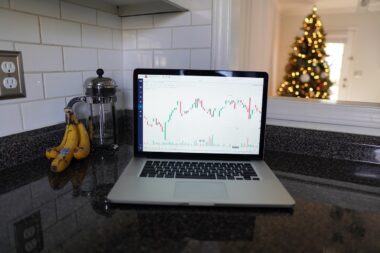

Building a Profitable Day Trading Plan
Creating a successful day trading plan requires a thorough understanding of market trends, strategies, and risks. A well-structured plan serves as your roadmap, guiding your trading decisions and actions. Start by establishing clear goals—define your risk tolerance, profit targets, and daily trading limits. Determine which markets to focus on, such as Forex, equities, or commodities, based on your interests and expertise. Utilize tools like stock screeners and real-time data to identify potential trade setups that align with your strategy. Choose your trading style, whether it is scalping or momentum trading, and determine the specific entry and exit strategies you will use. Additionally, develop rules to manage your capital effectively, including stop-loss levels and position sizing that aligns with your risk tolerance. Regularly reviewing and adjusting your plan is crucial, as markets change and evolve. Maintain a trading journal to record trades, analyze successes, and learn from mistakes. The more you refine your plan over time, the better equipped you will be to navigate the complex day trading landscape.
Another key element of a day trading plan…
Risk Management Strategies
To ensure profitability in day trading, implementing effective risk management strategies is crucial. Risk management mitigates potential losses while maximizing profits. A common rule is to risk only a small percentage of your trading capital on any single trade, often recommended at 1% to 2%. This approach allows you to diversify trades without exposing your entire account to significant drawdowns. Utilizing stop-loss orders is essential; they automatically close a trade when your position reaches a predetermined loss, protecting your capital. In addition to stop-losses, consider using trailing stops to lock in profits as the price moves favorably. It’s also wise to set maximum loss limits for the day. Once you hit this threshold, stop all trading activities. This discipline prevents emotional trading decisions and further losses. Another effective tactic is to allocate funds for high-probability setups only, avoiding random trades that may not align with your strategy. Only trade when your market conditions appear favorable, and adhere strictly to your written plan to increase your chances of long-term success.
Furthermore, analyzing market conditions…
Technical and Fundamental Analysis
In day trading, combining technical and fundamental analysis can enhance decision-making and improve profitability. Technical analysis involves examining price charts, patterns, and indicators to forecast future price movements. Popular indicators, such as moving averages, RSI, and MACD, can signal potential buying or selling opportunities. Understanding support and resistance levels is also essential, as these are price points that can significantly affect market behavior. On the other hand, fundamental analysis considers news events, earnings reports, and economic indicators that can influence market sentiment and volatility. Being aware of scheduled news releases can help you anticipate potential market movements. Use a reliable economic calendar to stay informed of major events and their potential impact on your chosen assets. This way, you can adjust your strategy and trading plan accordingly. By combining both analyses, you can develop a more comprehensive view of the market, leading to well-informed trading decisions. Always backtest your strategies using historical data to determine their effectiveness before deploying them in live trading.
Another important factor is psychological discipline…
Maintaining Psychological Discipline
One of the greatest challenges in day trading is maintaining psychological discipline. Emotional trading can lead to impulsive decisions that deviate from your trading plan, resulting in costly mistakes. Develop a strong mindset by focusing on your long-term trading objectives rather than short-term fluctuations. Accept that losses are a natural part of the trading journey and use them as learning opportunities rather than setbacks. Practice mindfulness techniques, such as meditation or deep breathing, to manage stress and maintain emotional stability. Building a routine that includes regular breaks and physical activity can also promote mental clarity and reduce anxiety during intense market sessions. Keeping a trading journal, where you can record your thoughts and emotions related to trades, helps identify patterns in your behavior. Reflecting on these entries assists in developing strategies to counter emotional responses in high-pressure situations. It’s critical to remain adaptable, as market conditions can shift unexpectedly. Stay focused on your trading plan and avoid chasing losses. By fostering psychological resilience, you enhance your ability to make rational decisions and increase the odds of achieving your trading goals.
Finally, continuous education is vital…